The alternate title for this blog post was “We know how to write copy that people care about,” but if it were, you probably wouldn’t have clicked. Why would you? It doesn’t sound like there’s anything in it for you. You likely clicked because you care about your brand and want to make sure you aren’t unknowingly becoming the one everyone is tired of hearing from.
(Okay, amateur psychology analysis over…)
I love dinner parties. They are my favorite kind of party. They are relaxed and intimate, and you can always hear who you are trying to have a conversation with. And usually that’s great. But every so often you could find yourself “talking to” someone who doesn’t seem to know how to speak about anything but themselves.
No (normal) person wants to hang around someone who only talks about themselves—the kind of person who never takes a breath, never asks a question, seems completely oblivious to everyone actively avoiding them, and makes you feel like Toby Keith in his 2001 hit, “I Wanna Talk About Me.”
Plenty of brands commit this faux pas with a straight face, totally oblivious to the room tuning them out. They talk exclusively about themselves and then wonder why their audience isn’t interacting with them. People, whether on the clock or off, don’t respond well to a conversational narcissist.
Every brand has an offering: a product, a platform, or a service. And behind that offering, there are talking points, features, and internal agendas brands feel like they must share with the world. And they do.
But unloading all of that upfront is the corporate equivalent of pulling up a chair at dinner and immediately launching into party tricks, personal brags, and life updates nobody asked for. The old social rule holds up just as well in marketing: the key to being interesting is being interested. Good copy doesn’t lead with what you want to show off. It leads with listening.
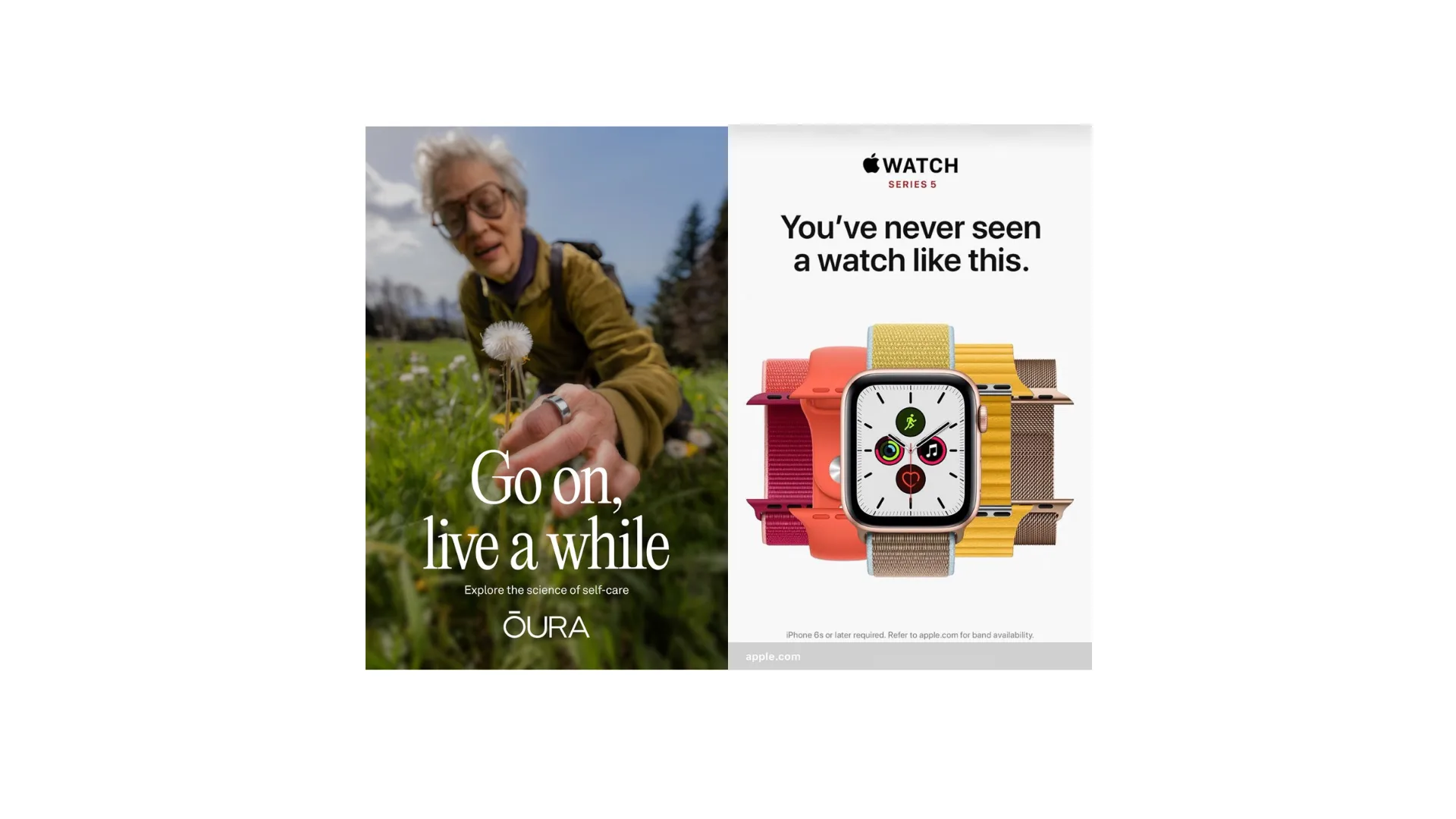
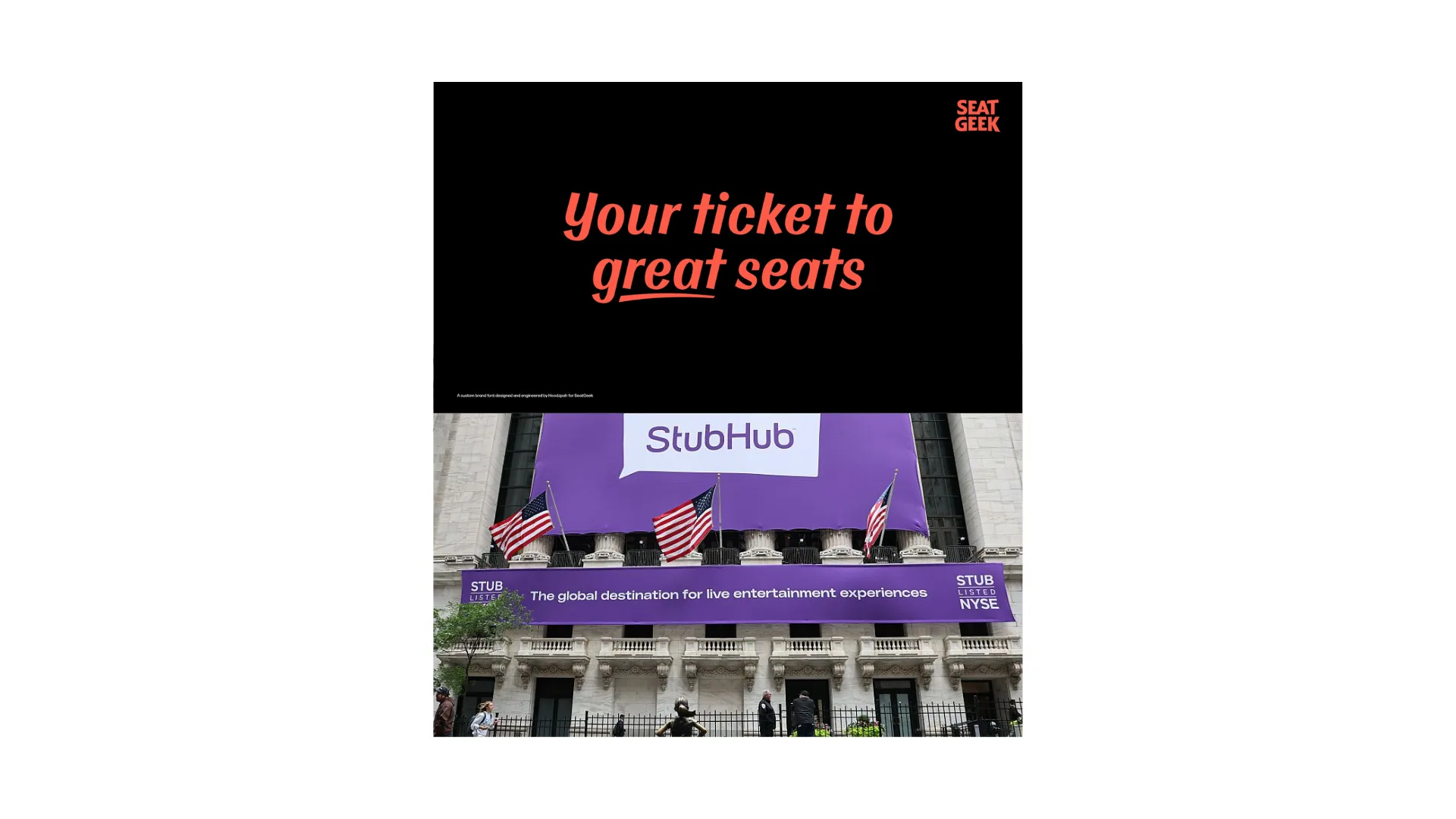
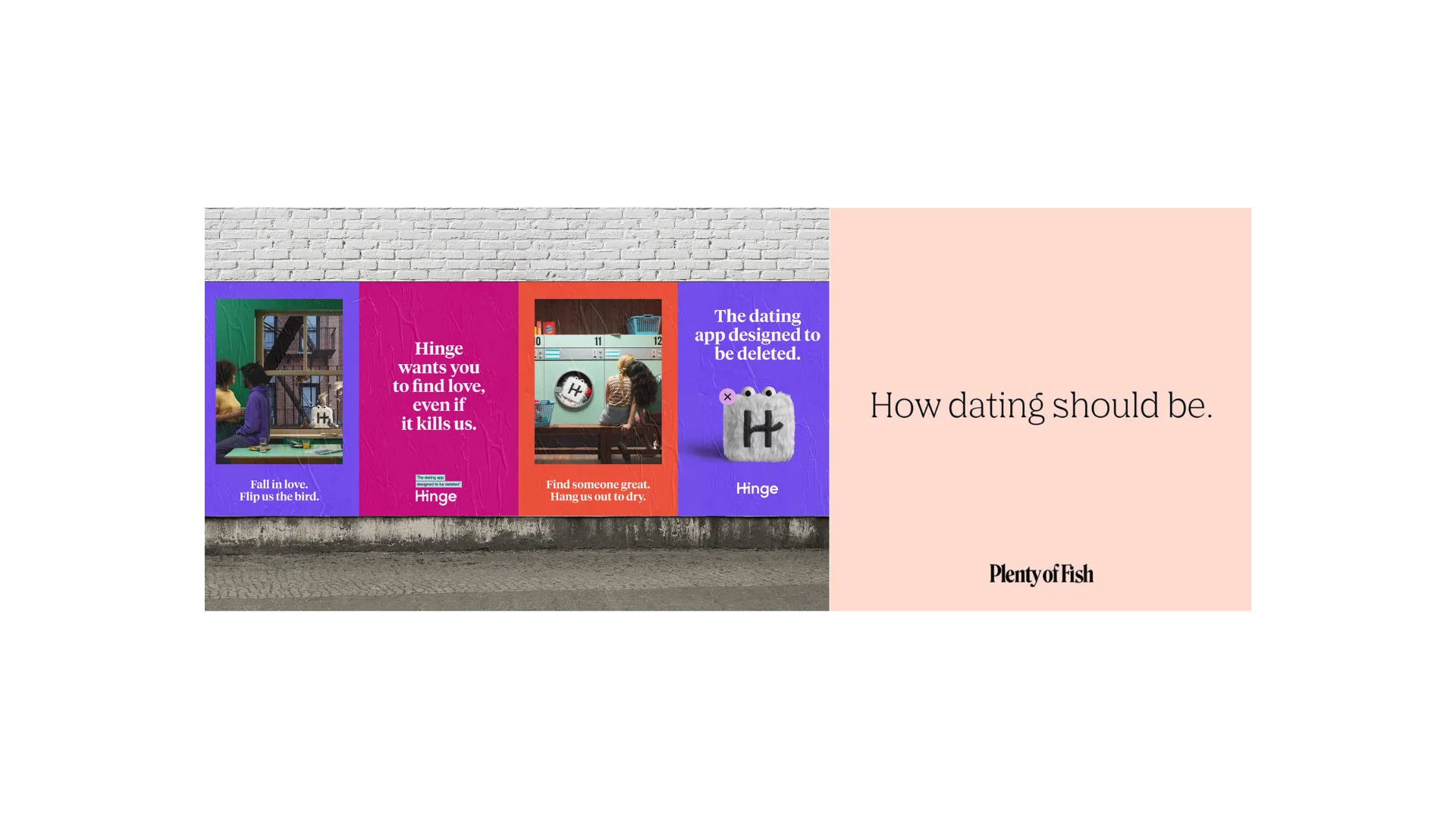
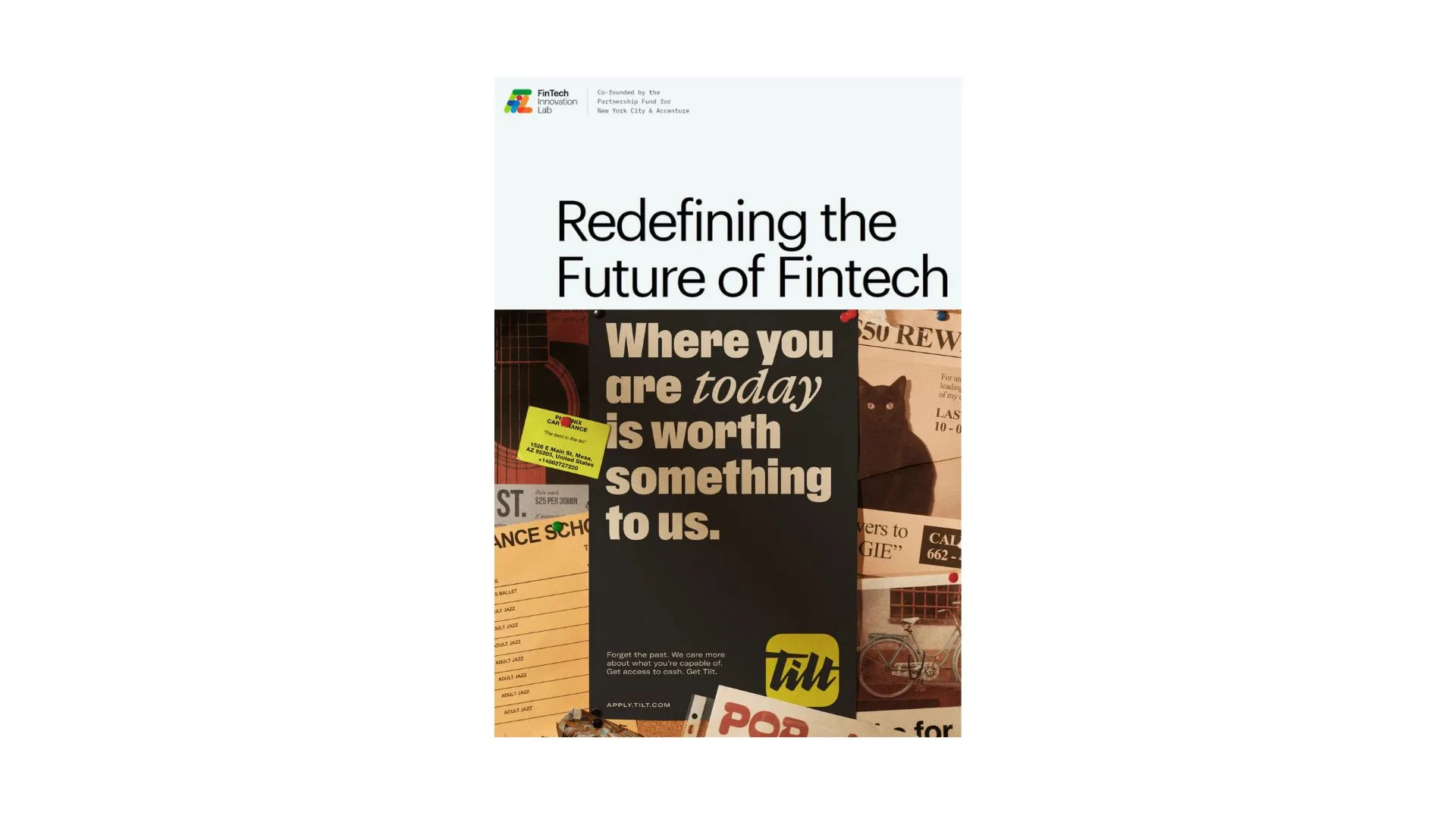
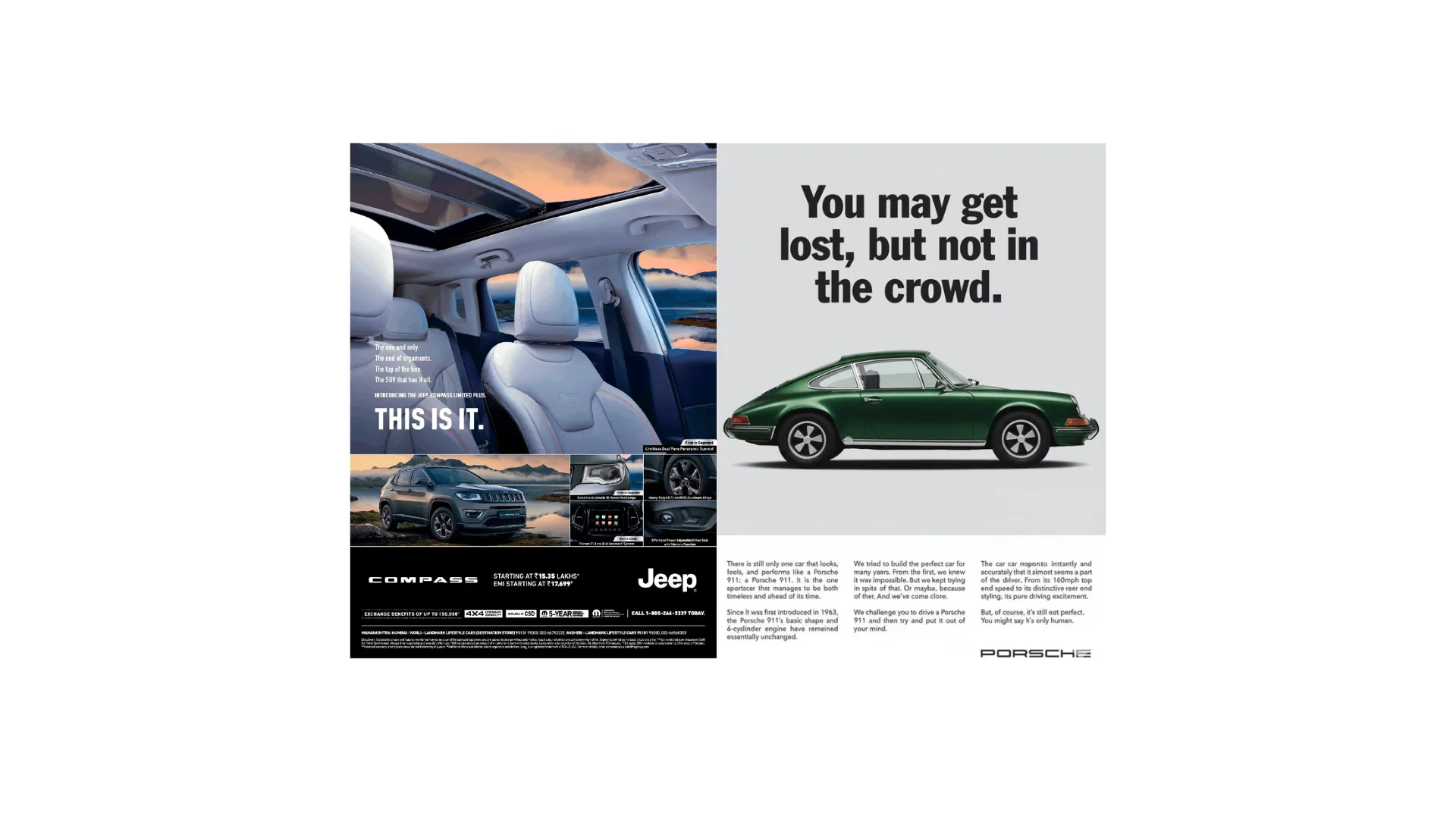
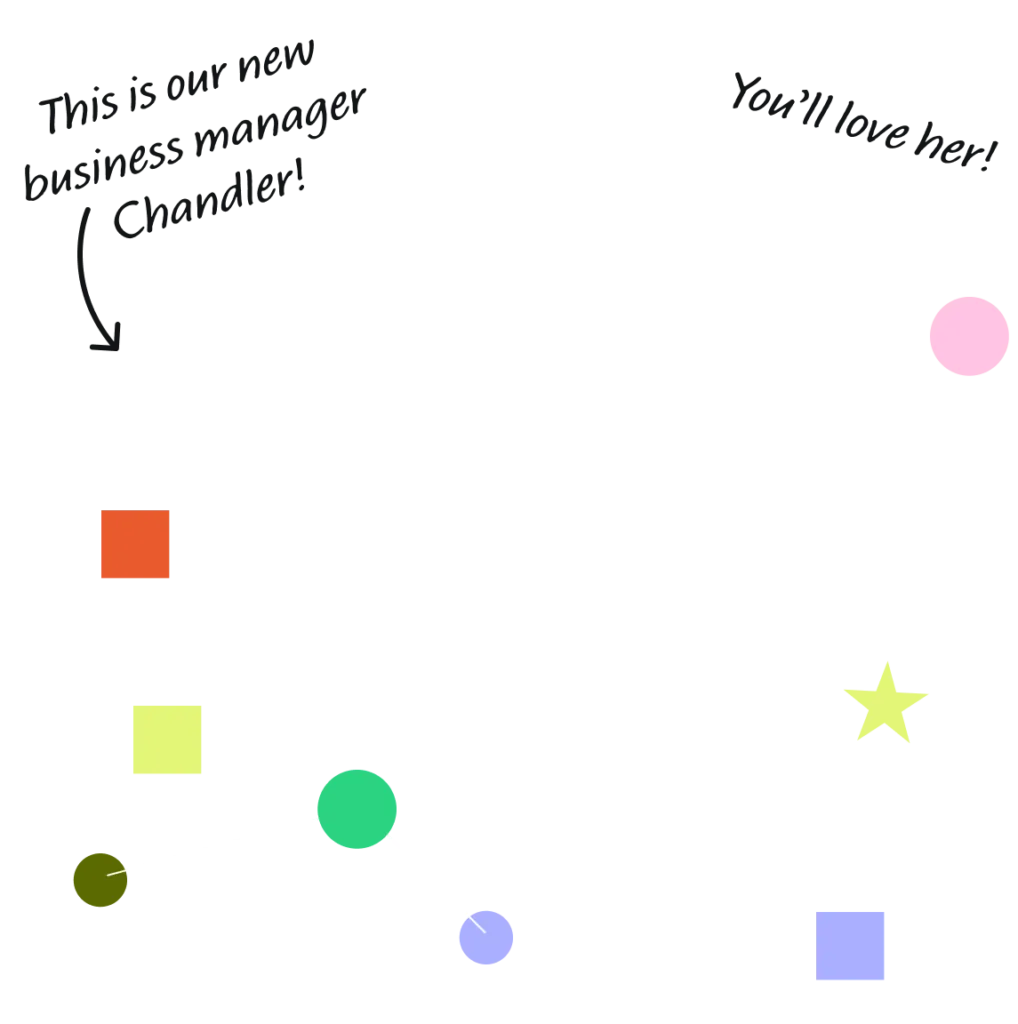
When we place two brands in the same space side by side, the difference is obvious. One delivers copy that someone might respond to with “Nobody asked.” The other speaks like someone who wants to have a conversation with you, not at you.
Imagine you’re one of the last to the party. The room is full, and you’re left choosing between the only two empty chairs at the table. Compare the copy below, and decide which guest you’d rather spend the rest of the evening chatting with:
You can see that the ads on the left side are still communicating what they are selling, but they are doing it in a way that connects with the person on the other side of the ad, rather than simply yelling their offerings into the void.
Oprah has a quote based on countless interviews that has always stuck with me: everyone in the world wants to know, “Did you hear me? Do you see me? Did what I say mean anything to you?”
Your customers have a similar question: “Is this going to make my life easier, happier, or better?” or, more simply put, “Why should I care?”
And “Because we’re driving disruptive innovation” or “We saw a gap in the market that needed to be filled” (or anything else you could imagine leaving Billy Evan’s mouth) isn’t an answer anyone is leaning in to hear more about.
So the next time you start working on a message for the world to see, remember: your audience doesn’t care by default. They care when you give them a reason to.
Subscribe to the TC newsletter and get 15% off your next project.