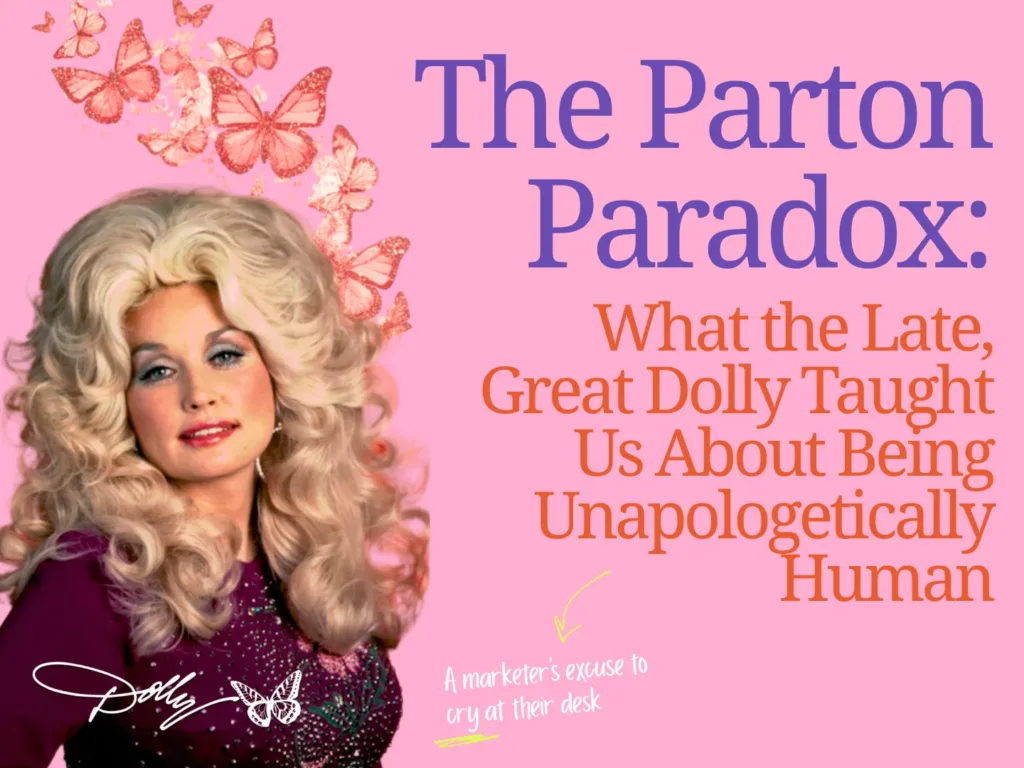
What Dolly Taught Us About Being Unapologetically Human

I’d like to say first that I am writing this article entirely as an excuse to wax poetic about a woman who has inspired me personally for many years and pay respect in some very small part to her passing this week. All inclusions of analogies drawn to marketing principles are for the sole purpose of justifying publishing this on the largest platform that I have access to (my agency’s website) and hopefully amplifying its reach to other fellow marketers lamenting her passing, that they may have an excuse to cry at their computer on company time (don’t forget to log your time under “professional development/research”). I do not mean to be insensitive or disrespectful in any way.

My love for Dolly Parton started with a love for my Mimi (grandmother to non-Southerners). Before I was graced with my first chorus of “Jolene” or watch-through of Unlikely Angel, I was clipping on my Mimi’s rhinestone earrings, wobbling in her leopard print heels, stealing her frosty hot pink lipstick, and falling asleep to the feeling of her long acrylic nails stroking my arm.

It doesn’t take more than one glance to know that my Mimi loves Dolly Parton more than anyone on this planet. From the platinum blonde hair to the bedazzled, animal-printed, and fringed outfits that are somehow never repeated. This is the woman who taught me that you “never leave the house without your hair and face done;” that you can speak softly and still command a room; and to be who I am “because everyone else is taken.”

And now that I’m handing down these lessons and indoctrinating my own daughter into this glitter-encrusted, hair-teasing sisterhood, I wanted to take a moment to acknowledge how Dolly inspired generations of people with her unwavering commitment to being herself and loving others.


EEAT Before the Internet Existed

Okay, fine—here comes the required marketing tie-in.

In a time when marketers spend so much energy worrying about Answer Engine Optimization (AEO) and keeping up with algorithmic shifts, it’s almost funny how a woman whose rise to fame predated the personal computer effortlessly hit every principle of EEAT (Experience, Expertise, Authoritativeness, and Trustworthiness):

  • Experience: Growing up in a one-room cabin in the Great Smoky Mountains with eleven siblings gave her absolute zero-party data on the human condition.
  • Expertise: Over 3,000 written songs prove domain authority that no AI model could hallucinate.
  • Authoritativeness: Decades of multi-generational, global cultural consensus.
  • Trustworthiness: Unshakable consistency across seven decades.

There. We checked the SEO box. Now back to what actually matters: what we can learn from the incomparable legacy this icon leaves behind, both as a human being and as the greatest personal brand to ever walk the earth.


Lesson 1: Build a Brand So Distinctive It Can’t Be Cloned

In the days since her passing, we’ve seen perhaps the biggest, most ubiquitous outpouring of love across every imaginable demographic. People from every walk of life, political creed, background, and identity loved Dolly Parton.

Yet, she never tried to be “for everyone.”

She unabashedly wore sky-high wigs, heavy makeup, and loud, fringe-heavy fashion decades before maximalism was trendy. She famously modeled her look after the “town tramp” in Sevierville because to a young girl growing up in poverty, that was what beauty and power looked like.

Distinctive Identity + Absolute Consistency = Total Cultural Affinity

Dolly showed that when you own your visual identity and persona 100%, you don’t alienate people—you fascinate them. She built a brand that created endless positive sentiment because it was entirely unique, instantly recognizable, and never compromised.


Lesson 2: A Single Central Story, Unlimited Purposeful Manifestations

Dolly’s entire ecosystem was anchored to two core truths: she was a Christian, and she grew up poor in rural Appalachia.

Everything she built stemmed from that origin story, yet she translated it into countless distinct, high-impact initiatives:

Initiative Origin Story Connection Impact & Reference
Dollywood Economic equity for her hometown Created thousands of jobs in East Tennessee (Dollywood Official Site)
Imagination Library Her father’s illiteracy Gifted 200+ million books to children worldwide (Imagination Library)
COVID-19 Vaccine Funding Christian call to heal and help Funded critical early Moderna vaccine research (Vanderbilt University Medical Center)
Radical Inclusion Loving her neighbor without condition Vocal, early support for LGBTQIA+ and BLM communities (Dolly Parton Biography)


She didn’t change her central narrative to fit different audiences. She simply let her values manifest in ways that brought real help to real people.


Lesson 3: Embrace the Contradictions (Authenticity Wins Every Time)

Most corporate brand guidelines try to sand off every edge until an entity is completely smooth, safe, and utterly boring. Dolly’s personal brand was full of glorious, human contradictions that made her utterly believable:

  • She was devoutly Christian, yet openly embraced her sexuality and advocated fiercely for marginalized groups.
  • She never shied away from tough subjects like poverty or reproductive rights, yet maintained warmth that bridged political divides.
  • She was wildly rich and influential, yet deeply humble—always maintaining that she was “just a songwriter” and politely insisting her voice was merely “lovely,” not elite.
  • She spent millions looking outrageously artificial while being the most authentic person in any room.

She never pretended to be anything she wasn’t. She told you her hair was a wig, her nails were fake, and her jokes were calculated. Because the wrapping paper was artificial, the gift inside was always 100% genuine.


Lesson 4: Evolve the Medium, Preserve the Core

From radio transcription disks and vinyl to streaming services, social media, and digital platforms, Dolly never fought new technology or changing times. She embraced them.

She leaned on trusted experts, business managers, and creative collaborators so she could stay laser-focused on her core genius: writing songs and connecting with human hearts.

Right down to her visual signatures—like the consistent motif of the butterfly that followed her from her 1974 album Love Is Like a Butterfly to her theme parks and stage costumes decades later—she understood how to signal continuity while constantly moving forward. Read more on her legacy at the Country Music Hall of Fame.


The Final Takeaway

We mourn Dolly Parton because she represented the absolute best of us. She showed us how to speak softly while holding an entire room spellbound, how to use success to lift up everyone around us, and how to look in the mirror every morning and decide to be exactly who we are—rhinestones, teased hair, and all.

To Dolly: Thank you for the music, the books, the jobs, the laughter, and the blueprint for how to live a full, loving, unapologetic life. We will always love you.

Thank you for joining me on this thinly veiled excuse to sob at our desks. But in the wise words of St. Dolly, Patron (Parton) Saint of the 9 to 5 – “I’m a workhorse that looks like a show horse.” So, dry your eyes, fix your makeup, fluff your hair, and back to work. May you create something today that she’d be proud of.

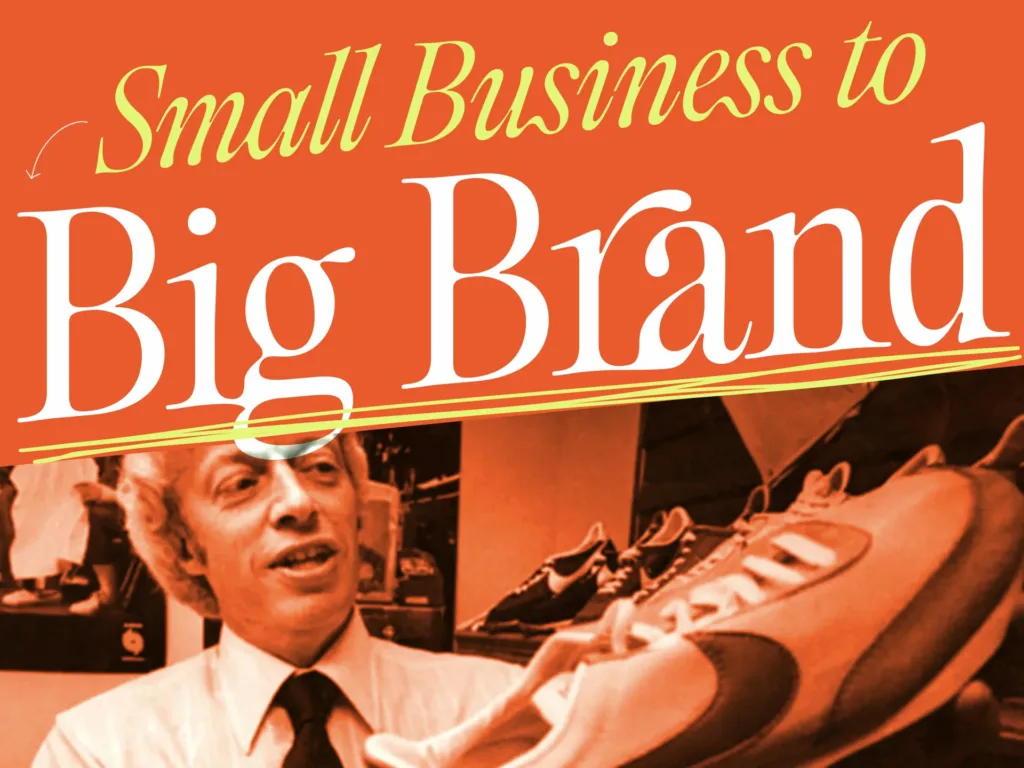
From Small Business to Big Brand: A Guide to Scaling Your Company’s Personality

Starting small doesn’t mean thinking small. The most iconic brands we know today—like Apple, Nike, and Patagonia—all began as small businesses with big ideas. The secret to their success? They didn’t just sell products; they built personalities that resonated deeply with their audiences.

So, how can your small or medium-sized business scale its personality into a big brand? Let’s break it down.

Why Brand Personality Matters

Your brand personality is more than a logo or color palette. It’s the way your business speaks, acts, and makes people feel. It’s what turns casual customers into lifelong advocates.
For small and medium businesses (SMBs), having a strong personality isn’t just important—it’s essential. With limited budgets and resources, personality becomes your competitive advantage. A compelling personality helps you:

  • Stand out in crowded markets.
  • Create emotional connections with customers.
  • Build trust and loyalty over time.

5 Steps to Scaling Your Brand Personality

1. Define Your Archetype
Every great brand has a clear identity. Are you the Hero, inspiring people to push their limits? Or the Creator, helping customers express themselves? Understanding your archetype lays the foundation for a consistent and authentic personality.

2. Know Your Audience Inside Out
The best brands aren’t just relatable; they’re relevant. Take time to understand your audience’s values, aspirations, and pain points. What problems are you solving for them? What kind of personality would they want to “befriend”?

3. Consistency is Key
As you grow, your brand will touch more platforms and people. Consistency across these touchpoints—social media, packaging, customer service, etc.—reinforces your personality. Develop a tone of voice guide and visual identity toolkit to keep things aligned.

4. Evolve Without Losing Your Core
Growth often means change, but it’s important to stay true to your roots. As you introduce new products or expand into new markets, ask yourself: Does this align with my brand’s core values? Would my audience recognize this as “me”?

5. Partner with the Right Experts
Branding isn’t a DIY project when you’re looking to scale. Agencies like Tilted Chair specialize in helping SMBs craft personalities that grow with them. From storytelling to design, partnering with experts ensures you avoid costly missteps.

Case Study: Small Business to Big Brand

Take Warby Parker, for example. Starting as an online-only eyewear retailer, they scaled their personality as a fun, approachable, and socially conscious brand. Their clever marketing campaigns, commitment to affordable prices, and “buy a pair, give a pair” program made them an industry leader while staying true to their roots.
Or consider Chobani. They entered the yogurt market with an artisanal feel and a focus on health. As they scaled, they kept that personality intact, adding creative flavors, heartwarming advertising, and a commitment to community impact.

Pitfalls to Avoid When Scaling Your Personality

1. Trying to Be Everything to Everyone
When scaling, it’s tempting to appeal to a broader audience. But watering down your personality makes you forgettable. Instead, double down on what makes you unique.

2. Ignoring Your Current Customers
Your early customers are your biggest advocates. Don’t alienate them by chasing new markets or trends. Involve them in your growth journey—they’ll help amplify your voice.

3. Neglecting Internal Alignment
Your team is the face of your brand. Ensure they understand and embody your personality in every interaction. From customer service reps to social media managers, everyone should sing the same tune.

From Small to Mighty: Your Next Steps

Scaling your brand personality is both an art and a science. It requires a deep understanding of your identity, audience, and goals. And while the journey may seem daunting, the rewards are well worth it: stronger customer loyalty, greater visibility, and a brand that stands the test of time.

At Tilted Chair, we’ve spent 15 years helping businesses like yours grow into bold, unforgettable brands. Ready to take the leap? Let’s talk about how we can help you scale your personality—and your business—to the next level.

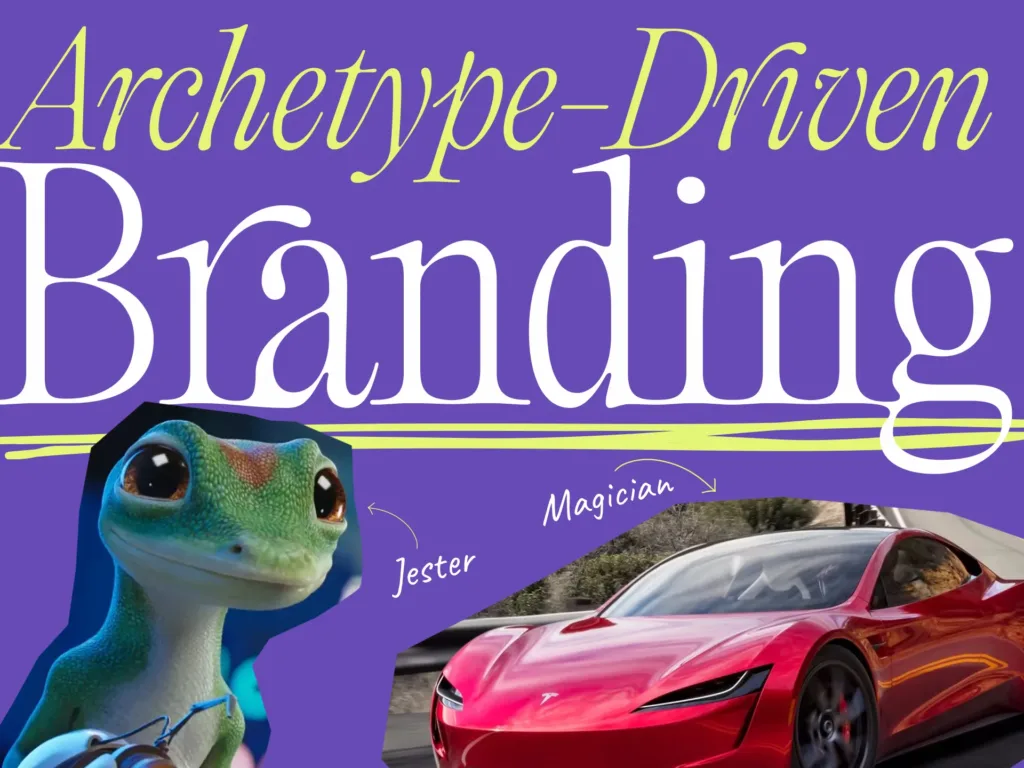
Why CMOs Are Turning to Archetype-Driven Branding in 2025

In the ever-evolving world of branding, staying ahead of the curve is both a challenge and an opportunity. As we step into 2025, one trend is becoming increasingly clear: brand archetypes are no longer a “nice-to-have” — they’re the cornerstone of any successful branding strategy. But what’s driving this shift, and why are CMOs leaning heavily on this methodology to build compelling, memorable brands? Let’s explore.

The Rise of Archetypes in Branding

First, a quick refresher: archetypes are universal characters or personas that tap into shared human experiences. Think of the Hero (Nike), the Caregiver (Johnson & Johnson), or the Rebel (Harley-Davidson). These archetypes have roots in Jungian psychology and storytelling but have found their sweet spot in branding by giving companies a consistent, relatable personality.
In a market oversaturated with choices, today’s consumers are looking for more than just products or services. They crave connection, purpose, and identity. Archetypes provide a shortcut to that connection by evoking emotion and creating instant recognition.

Why CMOs Are Betting on Archetypes

1. They Create Emotional Resonance

Emotionally charged brands outperform the competition, period. Archetypes tap into deep-seated emotions, fostering trust and loyalty. When customers feel like a brand “gets them,” they stick around.

2. Consistency Across Channels

One of the biggest challenges for marketers is maintaining a cohesive brand voice across platforms. Archetypes act as a blueprint, ensuring every Instagram post, email campaign, or TV spot aligns with the brand’s core personality.

3. They Simplify Decision-Making

For CMOs juggling multiple campaigns, archetypes reduce the guesswork. They guide everything from messaging to design choices, streamlining processes and saving time.

4. A Competitive Edge in Crowded Markets

In saturated spaces, archetypes help brands carve out a distinct identity. They allow businesses to stand for something more profound than their product features, making them memorable and, more importantly, irreplaceable.

Case in Point: Brands Getting It Right

Let’s look at a few success stories:

Dove (The Caregiver): Dove has built an empire by championing real beauty and self-care. Their ads don’t sell soap; they inspire confidence.

Tesla (The Magician): Tesla’s archetype evokes wonder, innovation, and the promise of a better future. Every touchpoint, from their sleek car designs to Elon Musk’s tweets, reinforces this persona.

Old Spice (The Jester): A complete rebrand using the Jester archetype transformed Old Spice into a cultural icon. Their quirky humor brought them back into relevance with younger audiences.

How to Start Building an Archetype-Driven Brand

Curious about where to begin? Follow these steps to identify and integrate an archetype into your branding strategy:

1. Know Your Audience:

What emotions drive their decisions? Which archetypes resonate with their values and aspirations?

2. Define Your Brand’s Core Purpose:

Beyond products and services, what does your brand stand for?

3. Commit to Consistency:

Archetypes are only effective when used consistently across all touchpoints.

4. Work with Experts:

Agencies like Tilted Chair specialize in uncovering and implementing the perfect archetype for your brand.

2025: The Year of Emotional Branding

As the marketing landscape continues to evolve, CMOs are shifting focus from transactional to relational branding. Archetypes provide the tools to create meaningful connections that transcend price wars and fleeting trends.
If you’re ready to take your brand from forgettable to unforgettable, there’s no better time to embrace archetypes. Because in 2025, the brands that win aren’t just selling products — they’re telling stories, forging relationships, and leaving lasting impressions.
Ready to find your archetype? Let’s start a conversation.

The Evolution of Branding: 7 Predictions for 2025 and Beyond

Branding is in constant flux, shaped by cultural shifts, technological leaps, and consumer demands. While many trends aim for the mainstream, the fringes often hold the most exciting and controversial ideas—ones that challenge conventions and redefine the game.

Here are Tilted Chair’s bold predictions for how branding will evolve in 2025 and beyond, including some controversial paths you might not expect.

1. Radical Transparency Will Be Non-Negotiable

Consumers are demanding brands lay it all out—flaws, failures, and all. Future-forward brands will:
Publish real-time data on their environmental impact, diversity metrics, and ethical sourcing.
Openly address past controversies or missteps in branding.
Allow customers to hold them accountable in public forums like social media.
This hyper-transparency might rattle some companies, but it’s a surefire way to build trust with savvy, skeptical audiences.

2. Micro-Niching Will Outshine Mass Appeal

Instead of casting a wide net, brands will focus on hyper-specific, even bizarre niches. Expect brands targeting audiences like:
Cat lovers who are also into punk rock.
Vegan tech enthusiasts with a passion for retro gaming.
Adventure-seeking grandparents looking for extreme sports gear.
By zeroing in on these micro-tribes, brands can create cult followings that feel intensely personal and exclusive.

3. AI-Generated Influencers Will Dominate Social Media

While human influencers still hold sway, 2025 will see a surge in AI-generated personalities. These hyper-realistic digital influencers will:
Customize their personas to perfectly reflect brand archetypes.
Never tire, flub a line, or stray from the brand’s narrative.
Spark debates about authenticity and whether human connection is being compromised.
The line between reality and simulation will blur, and not everyone will be comfortable with it.

4. Dark-Mode Branding Will Take Over

With the rise of dark mode on devices, brands will shift their visual identities to align with this preference. Expect to see:
Sleek, minimalistic designs in muted tones or neon-on-black palettes.
Logos optimized for both light and dark backgrounds.
A pivot from traditional bright and airy branding to something moodier, edgier, and more provocative.

5. “De-Influencing” Will Become a Brand Strategy

As consumers grow weary of constant “buy this now” messages, de-influencing will rise as a counter-movement. Brands will:
Encourage minimalism and mindful consumption.
Release campaigns urging customers to “buy less, but buy better.”
Risk alienating shareholders in the short term but win long-term loyalty from ethically driven audiences.

6. Psychedelic Branding for the Mindful Generation

With the growing acceptance of psychedelics in wellness and therapy, brands will lean into trippy, mind-expanding visuals and messaging. Think:

  • Swirling, vibrant color palettes inspired by altered states.
  • Campaigns emphasizing mindfulness, introspection, and emotional healing.
  • Partnerships with wellness startups that explore the intersection of science and spirituality.

This approach will appeal to younger generations embracing mental health and self-discovery but may alienate more traditional audiences.

7. Meme-First Branding Will Shake Up Traditional Strategies

Memes aren’t just for fun anymore—they’re a powerful branding tool. In 2025, brands will build entire campaigns around viral humor. This means:
Launching meme-based advertising that feels organic and absurd.
Engaging in playful “brand feuds” that entertain audiences and drive visibility.
Risking backlash if humor misses the mark or alienates certain groups.

What These Predictions Mean for Your Brand

While not all of these trends will resonate with every company, they highlight the bold and unconventional directions branding may take. To stay ahead, brands must be ready to experiment, adapt, and, yes, even polarize.

At Tilted Chair, we’ve spent 15 years at the forefront of branding, helping companies turn audacious ideas into impactful strategies. Are you ready to embrace the future of branding—quirks, controversies, and all? Let’s start a conversation.

“Trump’s Masterclass in Marketing: How Trump Leveraged Proven Marketing Principles to Win the 2024 Election”

In 2024, Donald Trump didn’t just run a political campaign; he launched a full-scale marketing movement. Love him or loathe him, one thing’s for sure—Trump’s approach to winning over voters felt a lot like your favorite brands winning over consumers. Here’s how he applied some tried-and-true marketing principles to secure his victory, and why his playbook might look familiar to anyone in the advertising world.

1. A Clear Value Proposition—Like Nike’s “Just Do It”

If Trump’s campaign had a tagline, it could have been something like, “I’ll fix it.” The message was simple and aimed directly at voters’ biggest pain points: the economy, safety, and national pride. Much like Nike’s “Just Do It,” which invites customers to achieve greatness in a few simple words, Trump’s message was clear, motivating, and easy to remember. Instead of weighing people down with policy jargon, he cut right to the chase, letting voters know exactly what they’d get with him.

Imagine the campaign team brainstorming: “How about ‘We’ll enact comprehensive economic and geopolitical reform initiatives?’” *Nah.* They kept it tight and relatable. Nike’s been doing it for decades, and it turns out, so did Trump.

2. Direct Audience Engagement—Taking a Page from Wendy’s Twitter Playbook

Wendy’s Twitter account has set the gold standard for direct, often humorous engagement with customers. They’ve created memorable moments with fans by roasting competitors, poking fun, and building a reputation as the sassy fast-food brand we didn’t know we needed. Trump’s direct communication on platforms like Twitter was similar—unfiltered, relentless, and always targeted right at his audience.

Whether they loved him or hated him, voters couldn’t ignore him, and that’s often half the battle in marketing. Like Wendy’s, Trump kept his messages quick, punchy, and often a little spicy. There was no “let’s wait and see” in his communication strategy; instead, he was straight in, hashtag and all.

3. Emotionally Charged Messaging—As Refreshing as a “Share a Coke”

Trump’s campaign tapped deep emotions—discontent with the economy, anxiety over safety, and hope for a better future. His ability to stoke these feelings made his base incredibly loyal and engaged. Remember Coca-Cola’s “Share a Coke” campaign, where they personalized bottles with people’s names? That was less about the Coke and more about connecting friends and family through shared moments.

Trump’s messaging resonated similarly, creating a connection with his audience that went beyond policies. Like Coke’s campaign, he didn’t just present himself as a candidate—he became part of people’s identities, hopes, and dreams.

4. Addressing Specific Audience Needs—Dove’s “Real Beauty” Meets Political Campaigns

Dove’s “Real Beauty” campaign revolutionized beauty advertising by addressing specific concerns and insecurities. Instead of idealized models, Dove showcased real people, speaking to women’s desire to feel valued and accepted just as they are. Trump, too, addressed distinct voter concerns, from economic worries to issues on immigration.

By appealing to each group’s unique priorities, he created a coalition that crossed demographic and social lines. Much like Dove, he didn’t make voters conform to a single message but tailored his approach to meet them where they were.

5. Us vs. Them—Harley-Davidson’s Rebel Identity Gets Political

“Riders Wanted.” Harley-Davidson’s rebel identity has attracted loyal followers who see themselves as outside the mainstream. Similarly, Trump created a distinct “us vs. them” narrative, positioning himself and his supporters as the champions of “real Americans” versus the so-called elites. This strong identity—like that of Harley riders—encouraged a sense of belonging and a common cause.

And just as you’ll see die-hard Harley owners with tattoos and customized bikes, Trump’s followers wore hats, waved flags, and joined a movement. It’s the power of a shared identity—and Trump tapped into it masterfully.

6. Emphasis on Stability and Trust—IBM’s Classic “Think” Messaging

In times of uncertainty, people gravitate toward brands that promise stability. IBM’s long-standing “Think” slogan exemplifies this—reliable, forward-thinking, and safe. Trump’s promise to stabilize the economy and restore traditional values offered voters a similar sense of security. His emphasis on economic growth and stability spoke to those seeking a steady hand during turbulent times.

Like IBM’s promise to “Think” (and, implicitly, “We’ve got you”), Trump’s message implied, “I’ve got this under control.” It was a reassuring promise in uncertain times—exactly what IBM has done for businesses for decades.

7. Consistent Messaging—Geico’s “15 Minutes Could Save You 15%”

Trump’s campaign hammered home the same themes repeatedly, whether it was the economy, immigration, or national pride. The result? A cohesive, memorable brand that stuck with voters. Think of Geico’s “15 Minutes Could Save You 15%.” That message has been around so long, you could probably recite it in your sleep.

Consistency builds familiarity, and familiarity builds trust. By the time Election Day rolled around, everyone knew what Trump stood for. In the end, it was the persistent, drumbeat repetition of these core messages that helped him stick in voters’ minds.

In a nutshell, Trump’s campaign in 2024 was a classic case of smart marketing principles applied to politics. By using clear, consistent, and targeted messaging, he was able to capture attention, build loyalty, and drive engagement. He took some of the world’s best branding lessons, put them into political terms, and—like any good marketer—kept his message straightforward, memorable, and impossible to ignore.

Love it or hate it, his campaign was a masterclass in how brand loyalty can turn into voter loyalty. And hey, if nothing else, it’s proof that sometimes winning is as much about the strategy as it is about the product.

Is Your Brand Forgettable? 5 Traits That Separate Icons from the Ordinary

So, you’re setting out to build—or maybe revamp—a brand that stands the test of time. It’s no small task! The marketplace is crowded, the competition fierce, and consumers have more options and opinions than ever. But here’s the good news: every great brand, from the classic Coca-Cola to the trailblazing Patagonia, shares certain characteristics that keep them relevant and beloved. If you get these right, you’re setting up your brand to be one of the greats.

Below, we’ll break down five key traits that make the most memorable brands truly unforgettable. We’ve paired each one with a real-world example to show how brands bring these principles to life—and how you can, too.

1. A Clear Purpose and Mission: Look to Patagonia

Every brand needs a reason for existing, and (spoiler alert) it should go beyond making money. Great brands stand for something bigger. Patagonia, for instance, isn’t just in the business of making outdoor gear—they’re here to “save our home planet.” That mission guides every decision they make, from the materials they choose to the causes they champion. Customers who value environmental responsibility connect deeply with Patagonia’s purpose, knowing their dollars support a brand committed to positive change.

Takeaway: Define your brand’s purpose. It will guide your decision-making, attract like-minded customers, and make your mission more than just a marketing tagline. A brand with a clear purpose is one customers are more likely to trust and champion.

2. Consistency: Coca-Cola Shows Us How It’s Done

If there’s one thing customers love, it’s consistency. Great brands don’t have to reinvent themselves constantly. Instead, they stay true to a core identity that remains instantly recognizable across decades. Coca-Cola, with its iconic red and white branding and timeless message of happiness and refreshment, has mastered the art of consistency. From billboards to Super Bowl commercials, Coca-Cola’s branding and messaging rarely stray from its core promise. This familiarity builds trust and makes the brand feel like a dependable old friend.

Takeaway: Be consistent in your brand’s visuals, tone, and message. Familiarity doesn’t just breed trust; it’s also what makes a brand feel like a safe choice when customers are bombarded with options.

3. Authenticity: Ben & Jerry’s Keeps It Real

Today’s consumers crave brands that are genuine and honest. Ben & Jerry’s is a prime example of this. Known for their activism and values, they’re outspoken about their support for social justice, climate action, and fair trade—all of which are deeply rooted in their brand DNA. And they don’t just talk the talk; they put their money where their mouth is. This authenticity isn’t just a marketing angle; it’s integral to who they are, and it resonates with customers who value transparency.

Takeaway: Authenticity isn’t just a buzzword; it’s essential. Your brand should reflect its true values and live them in both marketing and actions. When people know you’re genuine, they’re more likely to support and advocate for you.

4. Adaptability: Nike Evolves with the Times

To stay relevant in an ever-changing world, a brand has to be adaptable. Just look at Nike. They’ve kept up with the pace of change, evolving their products and messaging to reflect new cultural values and consumer needs. From tackling social justice in their ad campaigns to embracing digital innovation with personalized fitness apps, Nike stays ahead by adapting while keeping their core “Just Do It” ethos intact.

Takeaway: Stay true to your brand’s core identity, but be willing to evolve with cultural shifts and new technologies. Brands that adapt without losing their essence create excitement and relevance, engaging customers across generations.

5. Emotional Resonance: Apple Taps into the Heart

People remember how you make them feel. That’s why great brands connect on an emotional level, fostering loyalty that goes far beyond a product’s function. Apple has mastered this approach by positioning its products as symbols of creativity, individuality, and innovation. With campaigns that appeal to our inner artists and a community of die-hard fans, Apple isn’t just selling technology—they’re selling a vision of the future and a sense of belonging.

Takeaway: Think about the emotions you want your brand to evoke. Whether it’s nostalgia, excitement, or inspiration, brands that create strong emotional connections earn loyalty and advocacy.

Wrapping It Up: Building a Great Brand Starts Here

Building a brand that sticks doesn’t happen by accident. By focusing on a clear mission, maintaining consistency, embracing authenticity, staying adaptable, and tapping into emotions, you’re creating a brand people won’t just recognize—they’ll remember and trust. Whether you’re building from scratch or breathing new life into an established brand, these five pillars are the backbone of greatness.

So, grab a coffee (or maybe a Coca-Cola?), give us a call for your free consultation, and start building a brand that’s ready to become iconic.

Why Your Brand Isn’t Connecting: It’s Time to Ditch Logic and Embrace the Power of Archetypes

Let’s get real: Most brands are forgettable. They blend into the clutter, shouting about features, benefits, or price, and expecting people to care. The reality? They don’t. If you want your brand to stand out and make a lasting impact, you need to dig deeper than logic and lean into emotion. Enter the world of “archetypes”—a powerful framework that taps into universal patterns of behavior and storytelling that human beings have been drawn to for centuries.

Margaret Mark and Carol Pearson’s The Hero and the Outlaw breaks down this idea beautifully and is a great introduction to Jungian archetypes as they apply to brands. They explain that every brand can embody one of 12 archetypes, each of which resonates with core human desires. When done right, brands that align with these archetypes can form deep, emotional bonds with consumers. These brands stop being just products—they become part of who people are, and who they want to be.

And what better way to show the power of archetypes than to look at one of the most commodified products on the planet: water. Seriously—how do you make something as basic as water stand out? Some brands have mastered it, using archetypes to transcend the everyday and create something unforgettable.

The Hero: Gatorade Water

Every great story needs a hero. Gatorade Water embodies the Hero archetype, appealing to our desire for courage, strength, and achievement. It’s not just water; it’s the water that powers athletes, the water that fuels victory. Gatorade Water positions itself as essential for those who push themselves to their limits. It’s not just about hydration; it’s about conquering challenges. Whether you’re a marathon runner or someone striving to live a healthier life, drinking Gatorade Water is about embodying the spirit of a hero.

The Outlaw: Liquid Death

Liquid Death is the rebel of the water world. Channeling the Outlaw archetype, Liquid Death has completely upended the image of what bottled water should be. It’s raw, it’s edgy, and it’s not afraid to be disruptive. With its punk-rock branding and the tagline “Murder Your Thirst,” this brand goes against the grain of the pristine, clean-cut water category. It appeals to those who don’t just want to be different—they *demand* it. Liquid Death isn’t just about quenching thirst, it’s about rejecting the norm and embracing rebellion.

The Innocent: Evian

Evian embodies the Innocent archetype, symbolizing purity, simplicity, and the desire to return to nature. Its marketing is all about natural beauty, health, and purity, with imagery of pristine snow-capped mountains and crystal-clear streams. When you drink Evian, you’re not just hydrating—you’re engaging in a ritual of self-care that promises to cleanse and refresh you from the inside out. It appeals to the part of us that longs for simplicity and innocence in a complicated world.

The Sage: Smartwater

Smartwater is the Sage archetype incarnate. It’s marketed as the wise choice, the water that’s “vapor-distilled” and enhanced with electrolytes for purity and taste. The brand doesn’t just sell water; it sells knowledge. Smartwater appeals to those who want to make informed, intelligent decisions. It speaks to consumers who value wisdom and insight, who want to feel that they’re choosing the best, most scientifically sound option for their hydration needs. In essence, it’s water for thinkers.

The Ruler: Voss

Voss is the Ruler in the bottled water kingdom. It’s sophisticated, premium, and authoritative. The Ruler archetype is all about power, control, and status—and Voss oozes it. With its elongated modern bottle and reputation for being a luxury water, Voss is the go-to for those who see themselves as tastemakers. It’s for people who value refinement and prestige, for those who don’t just drink water—they drink the finest. When you reach for a Voss, you’re making a statement about who you are: someone in control of life, down to their water choices.

The Explorer: Flow Water

Flow Water is the archetypal Explorer, and does an excellent job of marketing itself as a naturally alkaline spring water, packaged in an eco-friendly, Tetra Pak design. The brand’s commitment to environmentalism and its emphasis on exploring sustainable practices tap into the Explorer’s love for innovation and eco-conscious choices. Flow invites consumers to join the journey toward a cleaner planet, making it a great fit for those looking to make more adventurous and ethical decisions.

The Creator: San Pellegrino

San Pellegrino embodies the Creator archetype, representing artistry, innovation, and craftsmanship. This sparkling water is not just about taste; it’s about the entire experience. With its long history, elegant packaging, and Italian heritage, San Pellegrino is water elevated to an art form. The brand appeals to those who value creativity and expression, offering more than just hydration—it offers a taste of la dolce vita. The Creator archetype connects with consumers who see themselves as visionaries, as people who appreciate the finer, more artistic side of life.

The Caregiver: Poland Spring

Poland Spring taps into the Caregiver archetype, positioning itself as a brand that’s dependable, nurturing, and trustworthy. With its focus on sustainability and its long-standing heritage, Poland Spring aims to provide not just water, but a sense of comfort and care. It’s the kind of water that’s been on family tables for generations, trusted to quench the thirst of everyone from kids to grandparents. The Caregiver archetype connects with consumers who value reliability and community, appealing to those who want to take care of themselves and their loved ones.

The Lover: Fiji

Fiji is pure indulgence, making it the perfect representation of the Lover archetype. From its tropical origins to its iconic square bottle, Fiji is all about sensuality and desire. The brand markets itself as exotic and luxurious, with a taste and feel that transports you to a remote paradise. The Lover archetype speaks to people who want to surround themselves with beauty, who appreciate the finer things in life and aren’t afraid to treat themselves. Drinking Fiji is about more than quenching your thirst—it’s about indulging in a moment of pure pleasure.

The Jester: Hint

Hint takes a playful approach to water, making it the perfect Jester. With its fruit-infused flavors and light-hearted branding, Hint is here to remind us that water doesn’t have to be boring. The Jester archetype brings fun, spontaneity, and a sense of mischief, and Hint’s colorful, cheeky packaging delivers exactly that. This brand speaks to those who want to inject a bit of joy into their daily routine, showing that even something as mundane as water can be a source of fun and excitement.

The Everyman: Ozarka

Ozarka is the water of the people. As the embodiment of the Everyman archetype, it’s straightforward, no-frills, and reliable. Ozarka doesn’t try to be fancy or pretentious—it’s just good, honest water sourced from Texas springs. The Everyman archetype connects with consumers who value authenticity and simplicity, who want products they can trust without the bells and whistles. Ozarka is the go-to choice for those who just want to quench their thirst without overthinking it.

—

Why Archetypes Make or Break Brands

If water—a product that’s literally as basic as it gets—can leverage archetypes to create distinct emotional connections with consumers, imagine what your brand could do. The secret to a memorable brand isn’t in the features or benefits you list. It’s in the story you tell, the archetype you embody.

When you align your brand with the right archetype, you’re no longer just selling a product—you’re offering an identity. Consumers don’t just buy your product; they buy into the values, emotions, and aspirations that your archetype represents. So, which archetype are you? Are you the Hero, the Outlaw, the Caregiver? Or are you still trying to win over customers with logic and losing them to brands that understand the power of emotion?

Stop blending in. Find your archetype, and watch your brand come to life. If you need help standing out from the crowd, we can help. Reach out today for a free consultation.

Tilted Chair teams up with Green Corridors

Tilted Chair has teamed up with the freight innovators at Green Corridors to collaborate on various branding and marketing initiatives.

The new partners plan on refining the business’ brand, building a class-leading new website, and producing various motion assets to assist with Green Corridors’ broader launch this fall. All of these efforts are aimed at raising awareness for Green Corridors’ ambitious vision to transform the world of freight.

“We know we’re in good hands with Tilted Chair,” said Green Corridors CEO Mitch Carlson.

The Ultimate Power Move: Why Companies Rebrand and How It Transforms Their Fate

In the ruthless world of business, rebranding is often seen as the ultimate power move—a strategic gambit that can catapult a company from obscurity to stardom or rescue it from the brink of disaster. Whether it’s shedding an outdated image or capturing the hearts of a new audience, rebranding is a high-stakes game that can make or break a brand. Over our 15 years in business we have had hundreds of companies big and small come to us for branding services. Let’s dive into the top eight reasons companies dare to take this bold leap, along with some of the most daring rebrands that shook the market.

1. Target New Audience

Sometimes a brand needs a fresh face to attract a new crowd. This was the case for Old Spice, a brand historically known for its appeal to older men. In 2010, Old Spice rebranded with a series of humorous and viral advertisements featuring former NFL player Isaiah Mustafa. The campaign not only boosted sales but also shifted the brand’s appeal to a younger demographic, proving that even old dogs can learn new tricks.

2. Merger or Acquisition

When two companies become one, it’s crucial to present a united front. After the merger of Sprint and Nextel in 2005, the company rebranded to Sprint Nextel, combining elements from both brands to create a new, cohesive identity. The rebrand aimed to leverage the strengths of both companies while signaling a new era of innovation and synergy.

3. Outdated Image

Staying relevant in a fast-paced market is essential. Take Burberry, for instance. Once seen as a tired, old-fashioned brand, Burberry underwent a dramatic rebrand in the early 2000s. Under the leadership of Christopher Bailey, the company modernized its image, introducing contemporary designs and innovative digital marketing strategies. Today, Burberry is a luxury fashion powerhouse, thanks in large part to its successful rebranding efforts.

4. Negative Reputation

A tarnished reputation can be hard to shake, but a rebrand can offer a fresh start. BP, formerly British Petroleum, faced a public relations nightmare after the Deepwater Horizon oil spill in 2010. In response, the company rebranded with a new logo and the tagline “Beyond Petroleum,” aiming to emphasize its commitment to renewable energy and environmental sustainability. While the rebrand couldn’t erase the past, it marked a step toward rebuilding trust and shifting public perception.

5. Expansion to New Markets

Global expansion often necessitates a brand refresh. When Dunkin’ Donuts decided to drop the “Donuts” and rebrand simply as Dunkin’ in 2018, the goal was to emphasize its broader range of offerings, including coffee and other beverages, as it expanded internationally. The streamlined name and new branding elements helped Dunkin’ appeal to a global audience while retaining its core identity.

6. Differentiation from Competitors

Standing out in a crowded market is a must. In 2016, Instagram unveiled a new logo, transitioning from the classic Polaroid camera icon to a vibrant, modern design. The rebrand was met with mixed reactions initially, but it ultimately helped Instagram differentiate itself in the saturated social media landscape, highlighting its evolution from a photo-sharing app to a multifaceted platform for visual storytelling.

7. Corporate Culture Shift

A change in leadership or corporate culture can prompt a rebrand. McDonald’s has undergone several rebrands over the years, most notably in the mid-2000s with its “I’m Lovin’ It” campaign. This rebrand aimed to shift public perception from fast food to a more enjoyable dining experience, reflecting changes in the company’s culture and customer engagement strategies.

8. Expansion of Product/Service Line

When a company diversifies its offerings, a rebrand can help communicate this expansion. Apple Inc. is a prime example. Originally known as Apple Computer, the company rebranded to Apple in 2007, signaling its evolution beyond computers to a wide range of consumer electronics, including the iPhone, iPad, and Apple Watch. This rebrand aligned the company’s name with its broader product line and innovation focus.

Rebranding is not just about changing a logo or updating a tagline; it’s a strategic move that can redefine a company’s identity and set the stage for future success. Whether it’s targeting a new audience or differentiating from competitors, the reasons behind rebranding are as diverse as the companies themselves. By understanding these motivations, businesses can better navigate the complexities of rebranding and harness its power to drive growth and transformation. If you’re looking to rebrand your business, Tilted Chair has ample experience helping companies navigate the process. Reach out to us today to get the conversation started.


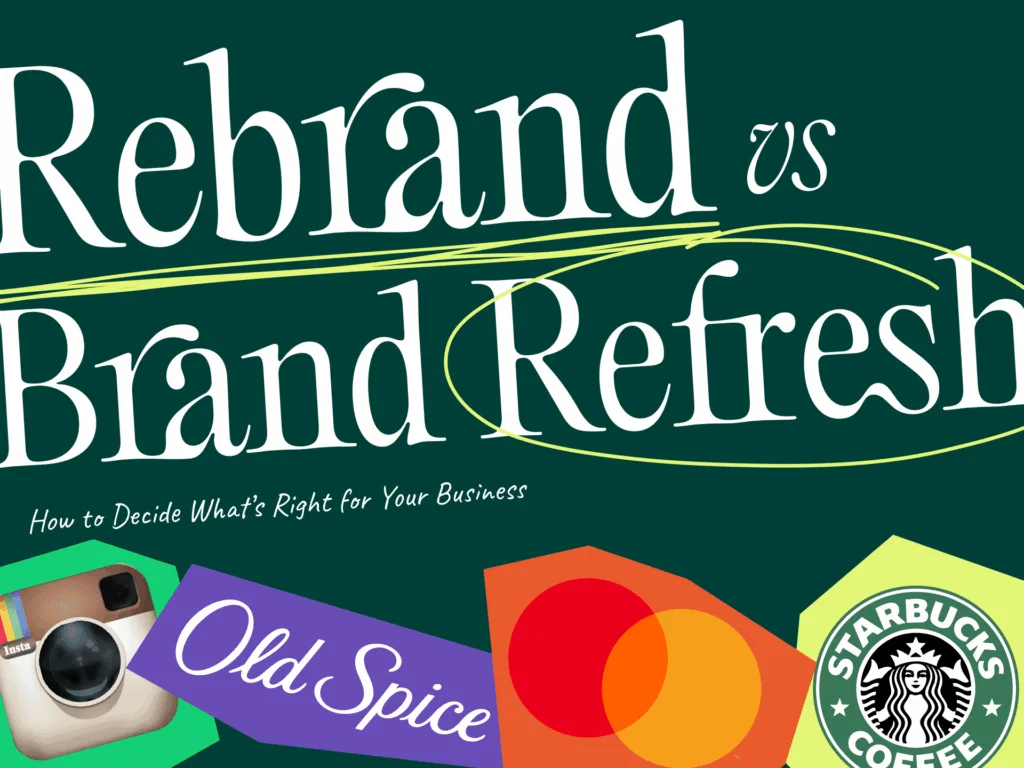
Rebranding vs. Brand Refresh: How to Decide What’s Right for Your Business

In the dynamic world of business, staying relevant and resonant with your audience is paramount. Whether your brand is experiencing stagnation, facing new market challenges, or simply evolving, the need to update your brand identity becomes inevitable. The question then arises: Should you undertake a full rebranding or opt for a brand refresh? We have clients come to Tilted Chair all the time with this dilemma. Understanding the differences and implications of each can help you make an informed decision that aligns with your business goals.

What is Rebranding?

Rebranding involves a complete overhaul of your brand’s identity. This can include changing the name, logo, visual elements, messaging, and even the core values and mission of the company. Rebranding is often driven by significant changes within the company or the market, such as mergers, acquisitions, shifts in the target audience, or a desire to distance the brand from negative associations.

Key Indicators for Rebranding:

  1. Major Structural Changes: If your company has merged with another or has undergone significant structural changes, rebranding can unify the new entity under a cohesive identity.
  2. Target Audience Shift: A substantial shift in your target market may necessitate a rebranding to appeal to the new demographic.
  3. Market Repositioning: When a company decides to change its market position entirely—such as moving from a budget-friendly brand to a premium one—rebranding helps to realign customer perceptions.
  4. Negative Public Perception: If your brand has been tarnished by controversy or scandal, rebranding can provide a fresh start and distance the company from past issues.
  5. Growth: We probably encounter this the most. When a company brand has remained unchanged for years or decades despite the evolution of their product or service. This creates a situation where your brand has become a liability and no longer reflects the quality of your products or services. 

Case Study: One of the best Oyster Companies in the Gulf of Mexico reached out to us to rebrand their company. This is a family business and some new members were going to be taking the lead in running the company. Additionally, they were putting more effort into promoting their sustainable oyster farming. So while the name remained the same, all else needed a change. [Add images from rebrand]

What is a Brand Refresh?

A brand refresh is a more subtle update, focusing on modernizing and refining existing brand elements rather than completely overhauling them. This can include tweaks to the logo, color palette, typography, and messaging to ensure they are up-to-date and align with current market trends.

Key Indicators for a Brand Refresh:

  1. Outdated Visuals: If your brand’s visual elements look dated, a refresh can modernize your appearance without losing brand recognition.
  2. Market Evolution: As market trends evolve, a brand refresh can help keep your brand relevant without the need for drastic changes.
  3. Enhanced Differentiation: Slight adjustments can help differentiate your brand in a crowded market, making you stand out while retaining your core identity.
  4. Product or Service Updates: Introducing new products or services that align with your current brand can be highlighted through a refresh.

Case Study: One of our favorite brand refreshes is for Sendero Homes, a luxury home builder in Central Texas. Sendero felt the name and logo had a lot of brand equity, but needed to create a more upscale image and expand their branding, especially on their website. Challenge accepted. [Add images from rebrand]

Making the Decision: Rebranding or Brand Refresh?

Deciding whether to rebrand or refresh your brand hinges on the depth of change required and the objectives you aim to achieve. Here are some guiding questions to consider:

  1. What are your goals? If you aim to shift market perception entirely or recover from a major setback, rebranding might be necessary. For updating aesthetics or making minor adjustments, a refresh is more appropriate.
  2. How drastic are the changes? Significant internal or external changes call for rebranding. Smaller, aesthetic updates point towards a brand refresh.
  3. What is your budget? Rebranding can be costly and time-consuming, involving market research, design, and extensive re-marketing efforts. A brand refresh, being less intensive, is generally more budget-friendly.
  4. What is the market context? Analyze current market trends and competitor actions. If competitors are innovating rapidly, a refresh can help you stay competitive without drastic measures.

Conclusion

Both rebranding and brand refreshes serve as crucial strategies in the life cycle of a business, each with its own set of triggers and outcomes. Understanding the distinctions between the two and evaluating your specific needs will help you choose the right path. Whether you’re looking to reinvent your brand or simply keep it contemporary, the key is to ensure that your brand continues to resonate with your audience and reflect your company’s evolution. If you need help deciding we are always happy to offer free consultations at Tilted Chair. Just give us a holler!

Smart Marketing Budgets: A Guide to Making Every Dollar Count for SMBs

In today’s competitive business landscape, small to medium-sized businesses (SMBs) face the challenge of maximizing their marketing efforts with limited budgets. Whether you’re a startup looking to make a splash or an established company aiming to maintain your market presence, figuring out how much to spend on marketing can be daunting. Fear not! This guide will walk you through three essential budgeting strategies to ensure your marketing dollars are well-spent.

1. Percentage of Revenue Approach

What’s the magic number?

A straightforward way to determine your marketing budget is to allocate a percentage of your annual revenue. This method is widely recommended and easy to implement. Here’s the breakdown:

  • 5-10% of Revenue for Established Businesses: If your business has a steady flow of customers and brand recognition, a 5-10% allocation of your annual revenue towards marketing is typically sufficient.
  • 10-20% of Revenue for New Businesses: For startups or businesses in growth mode, investing 10-20% of your revenue can help build brand awareness and attract new customers.

This approach ensures that your marketing budget scales with your business, keeping your efforts sustainable and aligned with your revenue growth. This method is also beneficial because it aligns your marketing spending directly with your business’s financial performance. As your business grows, your marketing budget grows with it, ensuring that you can continue to reach new customers and expand your market presence.


2. Goal-Oriented Budgeting

Dream big, but plan smart.

Aligning your marketing budget with your specific business goals is a strategic way to ensure every dollar counts. Here’s how to do it:

  • Define Clear Marketing Objectives: Whether you aim to increase brand awareness, generate leads, boost sales, or launch a new product, having clear goals is crucial. Clear objectives provide a roadmap for your marketing activities and help you measure success.
  • Cost Analysis of Marketing Activities: Estimate the costs associated with the marketing activities needed to achieve your goals. This might include digital marketing, traditional advertising, content creation, and more. Consider the cost of tools and technologies you may need, such as marketing automation software or CRM systems.
  • ROI Focus: Evaluate the potential return on investment (ROI) for each activity and prioritize those with the highest potential impact. High-ROI activities could include targeted online advertising, email marketing campaigns, or SEO improvements.

By focusing on your goals, you can create a marketing plan that is both strategic and effective, ensuring that your budget is used to achieve tangible results. This approach allows you to be flexible and adjust your strategies as needed, based on the performance of your campaigns and changing market conditions.


3. Channel-Specific Allocation

Spread the love (and budget).

Not all marketing channels are created equal, and what works for one business might not work for another. To get the most bang for your buck, consider the following:

  • Analyze Past Performance: Review the performance of different marketing channels you’ve used in the past to determine which have provided the best ROI. Look at metrics like conversion rates, cost per acquisition, and customer lifetime value.
  • Diversify Marketing Efforts: Spread your budget across various channels such as social media, email marketing, search engine optimization (SEO), pay-per-click (PPC) advertising, and content marketing. Each channel has its strengths and can help you reach different segments of your audience.
  • Adjust Based on Trends: Stay updated with current marketing trends and be willing to shift your budget towards emerging channels that show promise for your target audience. For example, video marketing and influencer partnerships are increasingly popular and can be highly effective.

This method allows you to capitalize on what works best for your business while remaining flexible to adapt to changing market conditions. Diversifying your marketing efforts also helps mitigate risk, as you’re not putting all your eggs in one basket.


Additional Tips for SMB Marketing Success

  • Track and Measure: Use analytics tools to monitor key performance indicators (KPIs) and adjust your budget as needed based on the effectiveness of your campaigns. Tools like Google Analytics, HubSpot, and social media analytics platforms can provide valuable insights.
  • Be Flexible: The marketing landscape is constantly evolving, so be prepared to adjust your budget allocation in response to real-time data and evolving business needs. Regularly reviewing and tweaking your strategy ensures that you’re not wasting money on ineffective tactics.
  • Consider Seasonality: Allocate more budget during peak seasons when your customers are more likely to make purchases, ensuring that you maximize your marketing efforts when it matters most. For example, if you’re in the retail industry, increasing your budget around the holiday season can help drive sales.


Real-World Example: A Success Story

Let’s consider a real-world example of how these budgeting strategies can be applied effectively. Meet Jane, the owner of a boutique fitness studio. When Jane first opened her studio, she allocated 15% of her projected annual revenue to marketing, following the percentage of revenue approach. This allowed her to invest in local advertising, social media campaigns, and a professional website.

As her business grew, Jane shifted to goal-oriented budgeting. She defined clear objectives: increasing membership sign-ups, boosting attendance at new classes, and building a loyal community. By analyzing the costs and potential ROI of various marketing activities, she prioritized social media advertising and referral programs, which proved to be highly effective.

Jane also embraced channel-specific allocation. She diversified her efforts across Facebook, Instagram, email newsletters, and local events. By tracking and measuring the performance of each channel, she adjusted her budget accordingly, increasing spend on high-performing platforms and scaling back on less effective ones.

The result? Jane’s studio saw a significant increase in membership and class attendance, and her community of loyal clients grew steadily. Her strategic approach to budgeting allowed her to make the most of her marketing dollars and achieve her business goals.

In conclusion, whether you’re a new business looking to make a name for yourself or an established company aiming to maintain your market presence, having a well-thought-out marketing budget is essential. By following these three budgeting recommendations—Percentage of Revenue Approach, Goal-Oriented Budgeting, and Channel-Specific Allocation—you can ensure that your marketing dollars are spent wisely. 

Smart budgeting is not just about spending money—it’s about making every dollar count. By being strategic, flexible, and data-driven, you can maximize your marketing ROI and drive business growth. So, roll up your sleeves, crunch those numbers, and watch your business grow!

For more tips on effective marketing strategies, visit our blog and stay updated with the latest trends and insights. Or if you’re ready to make that investment, then let’s talk! We have helped countless businesses of all sizes reach their goals. 

5 Lessons Marketers Can Learn From TikTok Before It’s Banned Forever

In today’s fast-paced digital landscape, capturing and retaining audience attention is the holy grail for brands and marketers alike. As traditional media struggles to keep pace with evolving consumer preferences, social networks like TikTok have emerged as powerful platforms that offer unparalleled opportunities for engagement and connection. And while it looks like we might be seeing the last of TikTok with the latest legislative bills forcing a sale of the social network, there is still some knowledge to be learned from the beloved network. Here’s our top five lessons brands and marketers should take note of and adapt their strategies accordingly.


Authenticity Trumps Traditional Advertising

In an era of skepticism towards traditional advertising, consumers are increasingly seeking authenticity and genuine connections with brands. User-generated content on platforms like TikTok fosters trust and credibility, making it imperative for brands to embrace authenticity in their messaging. From everyday users sharing their favorite products to influencers showcasing their favorite brands, the authenticity of content on TikTok resonates with audiences in a way that traditional advertising simply can’t match.


Embracing Short-form Content for Shorter Attention Spans

With attention spans dwindling in the digital age, shorter, more concise content is king. TikTok’s success lies in its ability to deliver bite-sized entertainment that captures and retains viewer attention in a matter of seconds. Whether it’s a hilarious comedy skit, a mesmerizing dance routine, or a quick tutorial, TikTok’s short-form format caters to the preferences of today’s on-the-go consumers. Brands that can distill their message into a short, concise message and then create short, engaging snippets of content stand to make a lasting impression in the minds of their audience.


Engage and Empower Through Interactive Experiences

Gone are the days of passive consumption. Social networks provide interactive experiences that empower users to become part of the content creation process. From interactive polls and challenges to user-generated hashtags and duets, TikTok encourages participation and engagement in a way that traditional media cannot replicate. Brands that foster community engagement and participation stand to gain a competitive edge, as they create a sense of belonging and ownership among their audience.


Personalization: The Key to Winning Hearts and Minds

In a world inundated with content, personalization is key to cutting through the noise and capturing audience attention. Algorithmic personalization ensures that content is tailored to individual preferences, maximizing relevance and resonance. Whether it’s serving up personalized recommendations based on past viewing history or targeting specific demographics with customized ads, TikTok’s data-driven approach enables brands to deliver content that speaks directly to the interests and needs of their audience. By leveraging data-driven insights to deliver personalized experiences, brands can forge deeper connections with their audience and drive meaningful engagement.


Breaking Boundaries

One of the most powerful aspects of social networks like TikTok is their ability to transcend your typical geographic or demographic parameters. With over 1 billion monthly active users worldwide, TikTok taps into diverse cultures, languages, and perspectives. However, from a psychographic standpoint, a kid in Uganda and a Gen Xer in Idaho can both laugh at a chainsaw fail or cry at a child hearing for the first time.  Finding human truths is what branding and marketing were always supposed to be about. Actually connecting with people around that truth instead of just talking about your product or service is where brands often go astray. 


In conclusion, the rise of social networks like TikTok signals a paradigm shift in how brands and marketers communicate with their audiences. By prioritizing authenticity, embracing short-form content, fostering interactive experiences, leveraging personalization, and embracing global reach, brands can effectively capture and retain audience attention in today’s digital age. As consumer preferences continue to evolve, brands that adapt and innovate will emerge as leaders in the ever-changing landscape of digital marketing.

Be unmistakable.