What Dolly Taught Us About Being Unapologetically Human
I’d like to say first that I am writing this article entirely as an excuse to wax poetic about a woman who has inspired me personally for many years and pay respect in some very small part to her passing this week. All inclusions of analogies drawn to marketing principles are for the sole purpose of justifying publishing this on the largest platform that I have access to (my agency’s website) and hopefully amplifying its reach to other fellow marketers lamenting her passing, that they may have an excuse to cry at their computer on company time (don’t forget to log your time under “professional development/research”). I do not mean to be insensitive or disrespectful in any way.
My love for Dolly Parton started with a love for my Mimi (grandmother to non-Southerners). Before I was graced with my first chorus of “Jolene” or watch-through of Unlikely Angel, I was clipping on my Mimi’s rhinestone earrings, wobbling in her leopard print heels, stealing her frosty hot pink lipstick, and falling asleep to the feeling of her long acrylic nails stroking my arm.
It doesn’t take more than one glance to know that my Mimi loves Dolly Parton more than anyone on this planet. From the platinum blonde hair to the bedazzled, animal-printed, and fringed outfits that are somehow never repeated. This is the woman who taught me that you “never leave the house without your hair and face done;” that you can speak softly and still command a room; and to be who I am “because everyone else is taken.”
And now that I’m handing down these lessons and indoctrinating my own daughter into this glitter-encrusted, hair-teasing sisterhood, I wanted to take a moment to acknowledge how Dolly inspired generations of people with her unwavering commitment to being herself and loving others.
EEAT Before the Internet Existed
Okay, fine—here comes the required marketing tie-in.
In a time when marketers spend so much energy worrying about Answer Engine Optimization (AEO) and keeping up with algorithmic shifts, it’s almost funny how a woman whose rise to fame predated the personal computer effortlessly hit every principle of EEAT (Experience, Expertise, Authoritativeness, and Trustworthiness):
- Experience: Growing up in a one-room cabin in the Great Smoky Mountains with eleven siblings gave her absolute zero-party data on the human condition.
- Expertise: Over 3,000 written songs prove domain authority that no AI model could hallucinate.
- Authoritativeness: Decades of multi-generational, global cultural consensus.
- Trustworthiness: Unshakable consistency across seven decades.
There. We checked the SEO box. Now back to what actually matters: what we can learn from the incomparable legacy this icon leaves behind, both as a human being and as the greatest personal brand to ever walk the earth.
Lesson 1: Build a Brand So Distinctive It Can’t Be Cloned
In the days since her passing, we’ve seen perhaps the biggest, most ubiquitous outpouring of love across every imaginable demographic. People from every walk of life, political creed, background, and identity loved Dolly Parton.
Yet, she never tried to be “for everyone.”
She unabashedly wore sky-high wigs, heavy makeup, and loud, fringe-heavy fashion decades before maximalism was trendy. She famously modeled her look after the “town tramp” in Sevierville because to a young girl growing up in poverty, that was what beauty and power looked like.
Distinctive Identity + Absolute Consistency = Total Cultural Affinity
Dolly showed that when you own your visual identity and persona 100%, you don’t alienate people—you fascinate them. She built a brand that created endless positive sentiment because it was entirely unique, instantly recognizable, and never compromised.
Lesson 2: A Single Central Story, Unlimited Purposeful Manifestations
Dolly’s entire ecosystem was anchored to two core truths: she was a Christian, and she grew up poor in rural Appalachia.
Everything she built stemmed from that origin story, yet she translated it into countless distinct, high-impact initiatives:
| Initiative |
Origin Story Connection |
Impact & Reference |
| Dollywood |
Economic equity for her hometown |
Created thousands of jobs in East Tennessee (Dollywood Official Site) |
| Imagination Library |
Her father’s illiteracy |
Gifted 200+ million books to children worldwide (Imagination Library) |
| COVID-19 Vaccine Funding |
Christian call to heal and help |
Funded critical early Moderna vaccine research (Vanderbilt University Medical Center) |
| Radical Inclusion |
Loving her neighbor without condition |
Vocal, early support for LGBTQIA+ and BLM communities (Dolly Parton Biography) |
She didn’t change her central narrative to fit different audiences. She simply let her values manifest in ways that brought real help to real people.
Lesson 3: Embrace the Contradictions (Authenticity Wins Every Time)
Most corporate brand guidelines try to sand off every edge until an entity is completely smooth, safe, and utterly boring. Dolly’s personal brand was full of glorious, human contradictions that made her utterly believable:
- She was devoutly Christian, yet openly embraced her sexuality and advocated fiercely for marginalized groups.
- She never shied away from tough subjects like poverty or reproductive rights, yet maintained warmth that bridged political divides.
- She was wildly rich and influential, yet deeply humble—always maintaining that she was “just a songwriter” and politely insisting her voice was merely “lovely,” not elite.
- She spent millions looking outrageously artificial while being the most authentic person in any room.
She never pretended to be anything she wasn’t. She told you her hair was a wig, her nails were fake, and her jokes were calculated. Because the wrapping paper was artificial, the gift inside was always 100% genuine.
Lesson 4: Evolve the Medium, Preserve the Core
From radio transcription disks and vinyl to streaming services, social media, and digital platforms, Dolly never fought new technology or changing times. She embraced them.
She leaned on trusted experts, business managers, and creative collaborators so she could stay laser-focused on her core genius: writing songs and connecting with human hearts.
Right down to her visual signatures—like the consistent motif of the butterfly that followed her from her 1974 album Love Is Like a Butterfly to her theme parks and stage costumes decades later—she understood how to signal continuity while constantly moving forward. Read more on her legacy at the Country Music Hall of Fame.
The Final Takeaway
We mourn Dolly Parton because she represented the absolute best of us. She showed us how to speak softly while holding an entire room spellbound, how to use success to lift up everyone around us, and how to look in the mirror every morning and decide to be exactly who we are—rhinestones, teased hair, and all.
To Dolly: Thank you for the music, the books, the jobs, the laughter, and the blueprint for how to live a full, loving, unapologetic life. We will always love you.
Thank you for joining me on this thinly veiled excuse to sob at our desks. But in the wise words of St. Dolly, Patron (Parton) Saint of the 9 to 5 – “I’m a workhorse that looks like a show horse.” So, dry your eyes, fix your makeup, fluff your hair, and back to work. May you create something today that she’d be proud of.
The Evolution of Branding: 7 Predictions for 2025 and Beyond
Branding is in constant flux, shaped by cultural shifts, technological leaps, and consumer demands. While many trends aim for the mainstream, the fringes often hold the most exciting and controversial ideas—ones that challenge conventions and redefine the game.
Here are Tilted Chair’s bold predictions for how branding will evolve in 2025 and beyond, including some controversial paths you might not expect.
1. Radical Transparency Will Be Non-Negotiable
Consumers are demanding brands lay it all out—flaws, failures, and all. Future-forward brands will:
Publish real-time data on their environmental impact, diversity metrics, and ethical sourcing.
Openly address past controversies or missteps in branding.
Allow customers to hold them accountable in public forums like social media.
This hyper-transparency might rattle some companies, but it’s a surefire way to build trust with savvy, skeptical audiences.
2. Micro-Niching Will Outshine Mass Appeal
Instead of casting a wide net, brands will focus on hyper-specific, even bizarre niches. Expect brands targeting audiences like:
Cat lovers who are also into punk rock.
Vegan tech enthusiasts with a passion for retro gaming.
Adventure-seeking grandparents looking for extreme sports gear.
By zeroing in on these micro-tribes, brands can create cult followings that feel intensely personal and exclusive.
3. AI-Generated Influencers Will Dominate Social Media
While human influencers still hold sway, 2025 will see a surge in AI-generated personalities. These hyper-realistic digital influencers will:
Customize their personas to perfectly reflect brand archetypes.
Never tire, flub a line, or stray from the brand’s narrative.
Spark debates about authenticity and whether human connection is being compromised.
The line between reality and simulation will blur, and not everyone will be comfortable with it.
4. Dark-Mode Branding Will Take Over
With the rise of dark mode on devices, brands will shift their visual identities to align with this preference. Expect to see:
Sleek, minimalistic designs in muted tones or neon-on-black palettes.
Logos optimized for both light and dark backgrounds.
A pivot from traditional bright and airy branding to something moodier, edgier, and more provocative.
5. “De-Influencing” Will Become a Brand Strategy
As consumers grow weary of constant “buy this now” messages, de-influencing will rise as a counter-movement. Brands will:
Encourage minimalism and mindful consumption.
Release campaigns urging customers to “buy less, but buy better.”
Risk alienating shareholders in the short term but win long-term loyalty from ethically driven audiences.
6. Psychedelic Branding for the Mindful Generation
With the growing acceptance of psychedelics in wellness and therapy, brands will lean into trippy, mind-expanding visuals and messaging. Think:
- Swirling, vibrant color palettes inspired by altered states.
- Campaigns emphasizing mindfulness, introspection, and emotional healing.
- Partnerships with wellness startups that explore the intersection of science and spirituality.
This approach will appeal to younger generations embracing mental health and self-discovery but may alienate more traditional audiences.
7. Meme-First Branding Will Shake Up Traditional Strategies
Memes aren’t just for fun anymore—they’re a powerful branding tool. In 2025, brands will build entire campaigns around viral humor. This means:
Launching meme-based advertising that feels organic and absurd.
Engaging in playful “brand feuds” that entertain audiences and drive visibility.
Risking backlash if humor misses the mark or alienates certain groups.
What These Predictions Mean for Your Brand
While not all of these trends will resonate with every company, they highlight the bold and unconventional directions branding may take. To stay ahead, brands must be ready to experiment, adapt, and, yes, even polarize.
At Tilted Chair, we’ve spent 15 years at the forefront of branding, helping companies turn audacious ideas into impactful strategies. Are you ready to embrace the future of branding—quirks, controversies, and all? Let’s start a conversation.
Shop Small Biz Gift Guide
Big things come from small businesses.
KEY TAKEAWAYS
- Small businesses were hit hard this year; shop small this holiday season.
Here is a list of some of our favorite small businesses that could use your support this holiday season. Austin-based and beyond, there is plenty to love on this list. If you’re short on gift ideas, we hope you’ll find some from these incredible businesses.
-
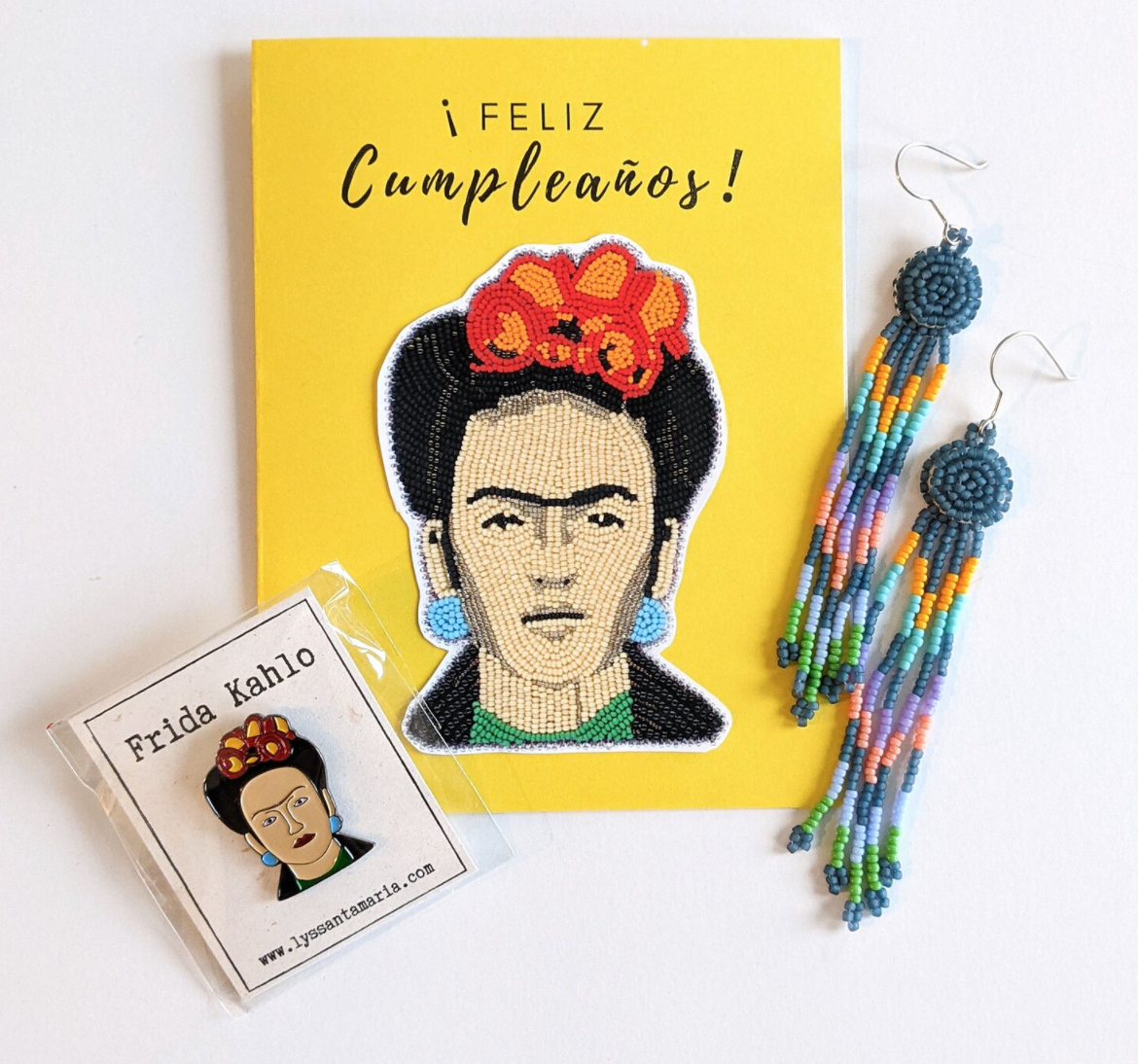
We got to know Lys through our Brand Together program earlier this year and fell in love with not only her exceedingly unique work but also her inspiring philosophy of spreading good energy to the world through her handmade pieces. She learned beadwork from an indigenous group when she was living in Canada, and now her WOC-owned small business is based in ATX. She offers completely original handmade beaded jewelry like earrings, necklaces, and rings, as well as enamel pins, mosaic art, reusable masks, cards, and online classes.
-
Soy Society Wellness
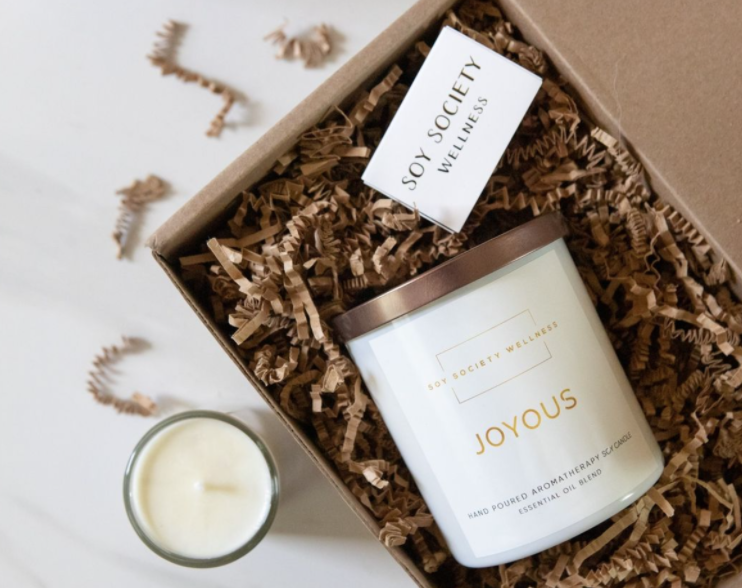
Soy Society Wellness is an Austin-based candle company with an emphasis on aromatherapy. The owner Jasmine Cormier is a certified yogi who is passionate about health & wellness, mindfulness, and the sharing of her own knowledge. Soy Society offers essential oils, scented soy candles, candle making workshops, and team-building opportunities. You can purchase online or around Austin, TX at places like Whole Foods on Lamar and Lilla & Beth.
-
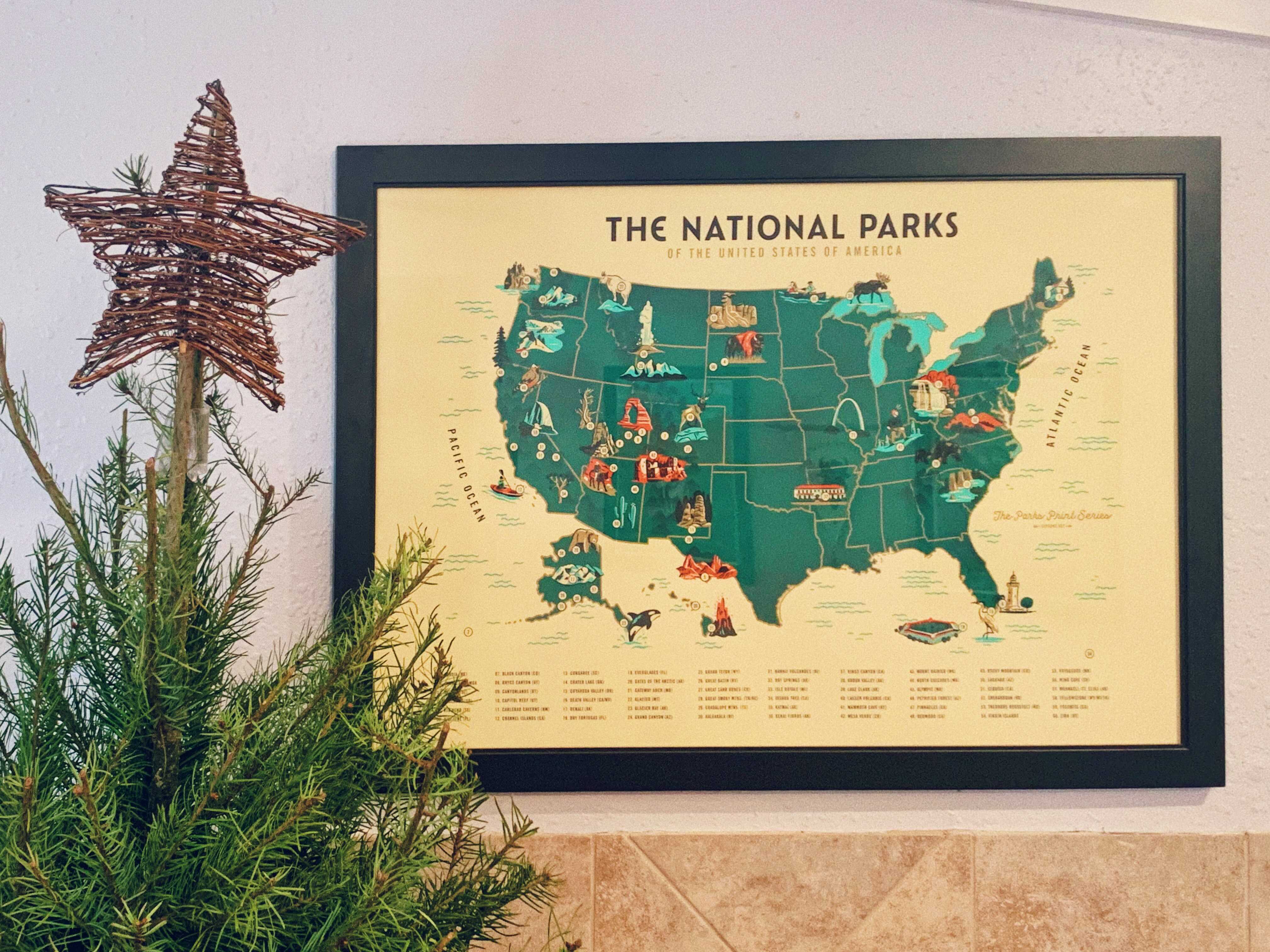
Selling posters that celebrate the National Parks, screen-printed right here in the USA, Fifty-Nine Parks’ eclectic mix of artists design their prints in an effort “to get poster fans into the parks and parks fans into posters.” 5% of each poster sale—before profit—is donated to The National Park Service.
-
A vegan wine and cheese shop with delivery and contactless pick-up service, Rebel Cheese offers a wide variety of gourmet goodies for gift baskets, including local Texas beer and a great wine selection. Their online ordering system is super easy to use. My go-to items are the Left Coast pinot noir, brie cheese, and a Dripping Springs chocolate bar.

-
Moots
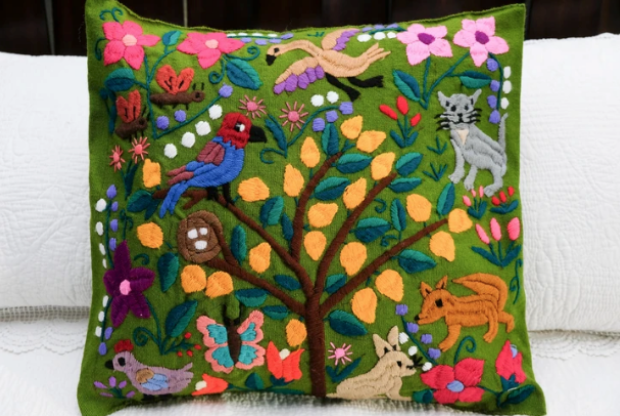
With plenty of hand-embroidered masks, blouses, home decor in stock, most of Moots’ items are one of a kind. Buy four masks and get one free, and they also offer free shipping for any face mask purchases over $45!
-
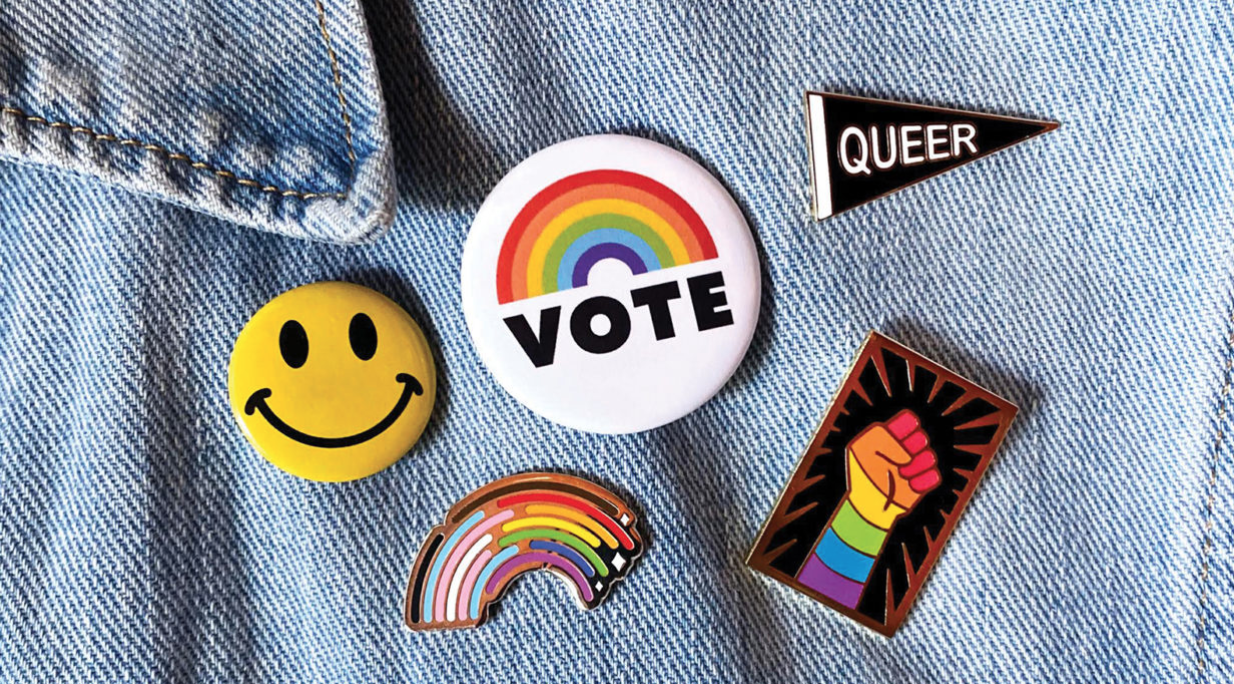
The queer community is institutional to art and culture. For too long, queer people have not received the compensation or exposure they deserve. The Little Gay Shop exists to support, celebrate, and ignite the queer community by creating a larger audience of patrons and exposing local artists to different demographics. We live by the adage, “By Queers for All.”
The Little Gay Shop was founded in 2019 with the goal of becoming a one-stop-shop to purchase artwork exclusively designed by LGBTQIA+ people.
-
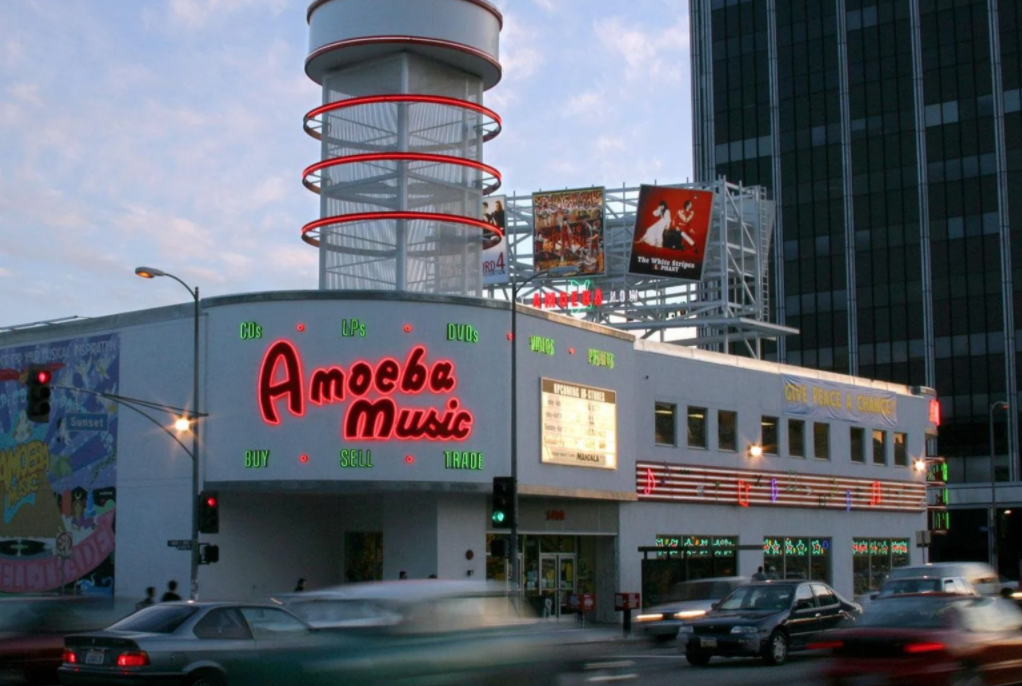
Without a doubt, Amoeba is the largest indie music store out there, but honestly, there’s a reason for that. Founded in 1990, they’ve survived the decline of CD sales all throughout the 2000s and 2010s, and now I’m praying that Amoeba Music will survive the COVID-19 pandemic. Having shuttered their iconic Hollywood location this year, Amoeba is surely struggling just like everyone else during this time, but they have such a vast catalog to offer that anybody with even the slightest interest in music or movies should be rooting for them to pull through. Of all the record stores I’ve been to, Amoeba’s prices are consistently the most reasonable, and they always offer free shipping for anything bought on their website.
-
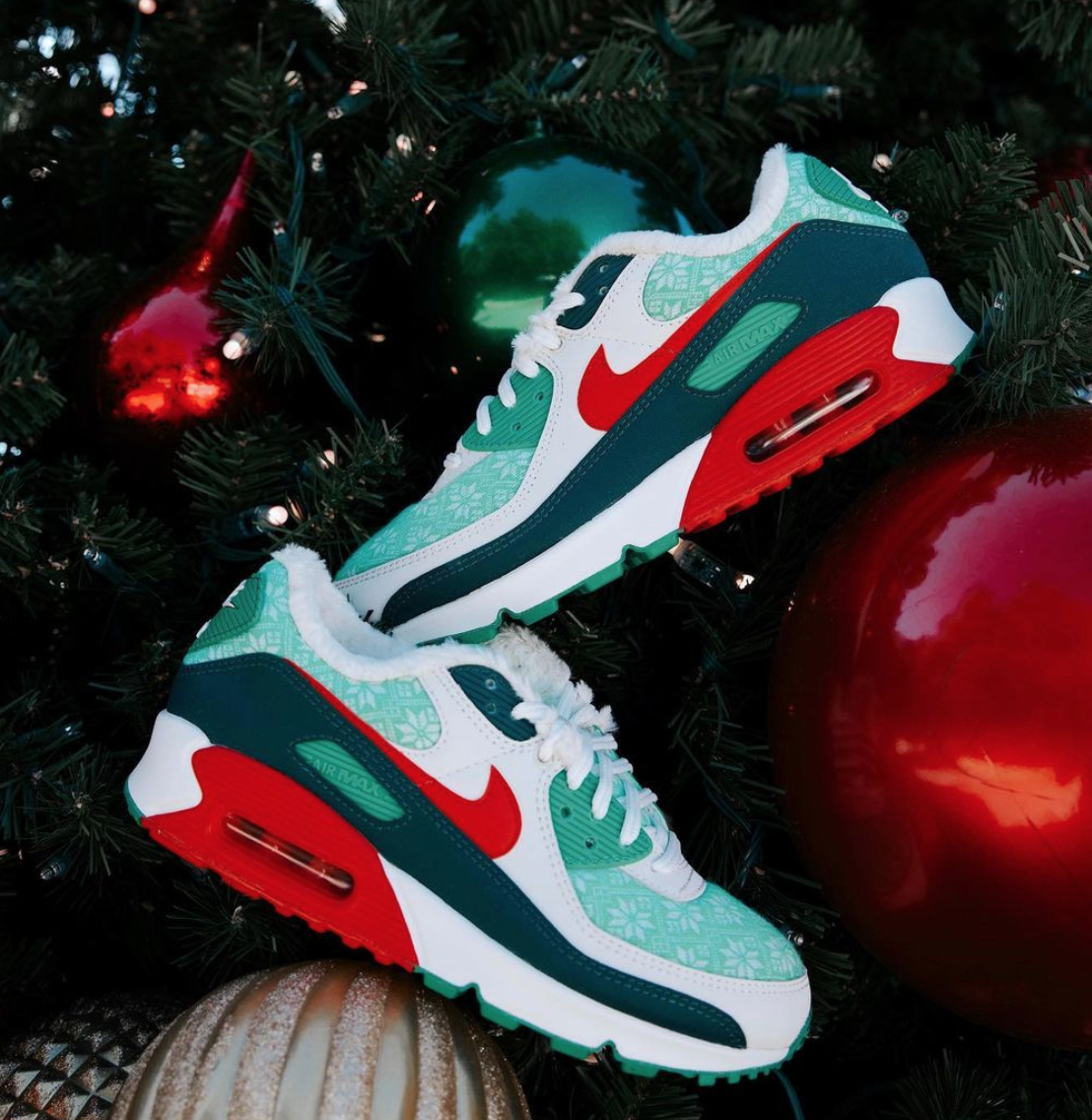
Kicking It ATX is a lifestyle and sneaker store/social hub. They’re located in the Domain and have such a wide variety of sneakers and apparel to choose from. You can also go there to watch a game, grab a drink, and just hang out with other people interested in streetwear apparel and sneakers. It’s a super cool spot to hang out at and support. They are also currently the only black-owned business located in Domain Northside.
-
Austin Java
A Texas-native roaster originally established in 1995 as a local coffee company, Austin Java has grown into multiple locations, providing full-service menus and a strong coffee community. Focusing on sustainable practices with a forward-thinking attitude, everything from their bean and farm selection, to specialty blends and even their bagging runs on this principle alone.

-
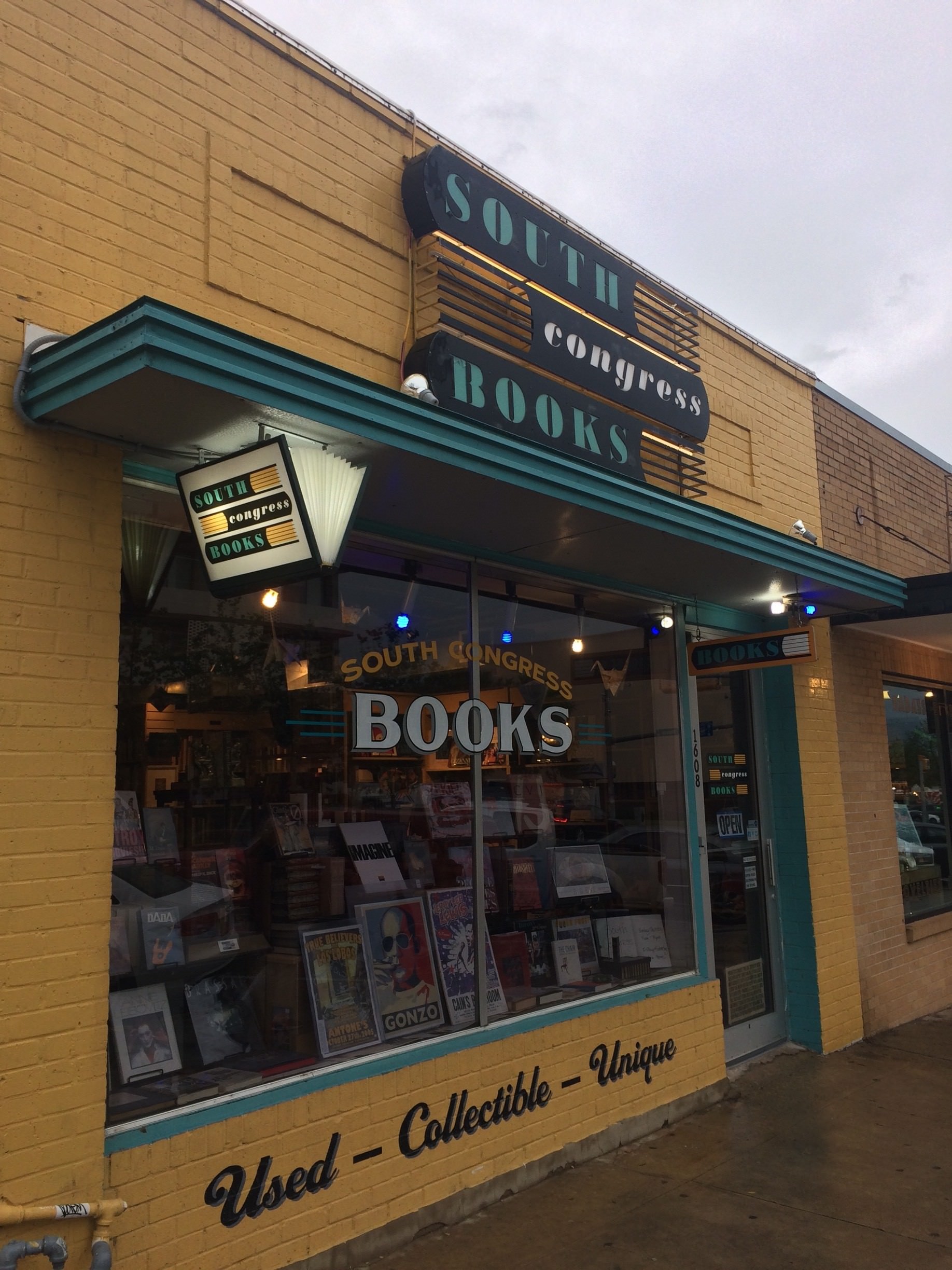
We need local bookstores, perhaps now more than ever. SCB features old, used, and vintage books, and the retail store is a fixture on South Congress. They also have a cool collection of vintage prints, posters, art, select LPs, objects, and various other gifts and unique finds.
-
In our humble opinion, Old Thousand has the best General Tso’s chicken you’ll find anywhere, and their brisket fried rice feels like something you could only find in Texas.

-
This self-proclaimed “Best Little Hooch House in Texas” has a cult following for those with a propensity for the finer vices in life. Now with three Austin locations, it is convenient for most in the area. What makes this shop special are the owners, Kiki and David, who are true lovers of all spirits. They can assist with just about any taste. In addition to a great selection of the finest spirits, they also have a great assortment of stemware, shakers, and other libation accessories. Last but not least, if you happen to be in the store before December 13th, pay close attention to the shelves as they have hidden several “hard to find” whiskeys in their stores. Enjoy!

Whether you like drinking or reading, aromatherapy or eating, one of these small businesses is certain to have the perfect item for you.
Tilted Chair would like to wish you a happy holiday season, and thank you for supporting small businesses!
Let’s Talk About Spec, Baby!
Spec work:
two words that strike fear into the hearts of creative agencies everywhere.
Many promising engagements have been sullied by the last line of an RFP with beat-around-the-bush verbiage that goes something like this: “We’d like to see an example of how you envision this campaign coming to life.” Shudder. And things were going so well!
While roundly rejected by AIGA and The American Advertising Federation, spec work requests just refuse to die. And look, I get it, you want to take the car for a spin before you buy it; you want to taste the wine before you commit to the whole bottle; you want to sleep in the house before you move in. (Is that even possible?) But for myriad reasons, soliciting spec work isn’t just disrespectful to your prospective partners—it’s also bad for your business.
So, fasten your seatbelts: we’re grabbing our wooden stake, silver bullet, and holy water, and putting an end to spec work, once and for all. Here are four reasons spec work should return the grave—and stay there.
1. IT DOESN’T FOLLOW OUR PROCESS
Not to be inflexible, but we have a process that governs all of the work we output. We’ve spent ten years carefully creating a method for achieving the best work and results for our clients. Is it flexible? Of course, but that flexibility usually entails MORE information and collaboration, not less. At Tilted Chair, we’re big believers in focusing on the process as a means of achieving results. And building a campaign or design off of a PDF—no on-boarding, no stakeholder workshops, no objective-setting—isn’t focusing on the process.
2. HALF-ASSED ENGAGEMENTS BREED HALF-ASSED WORK
After all, to fully engage with our clients, we need time together. And most spec briefs are standalone documents that can’t possibly replace deep, in-person—or in the case of 2020, virtual—collaboration. Spec briefs don’t allow for any kind of immersion or meaningful collaboration, which means the whole concept is half-assed. And you know what that leads to.
3. IT DOES A DISSERVICE TO OUR PAYING CLIENTS
At the end of the day, the checks keep the doors open. Not promises of checks, or prospective checks, but real, paper checks. (And ACH deposits for all of you angels out there.) There’s only so much time in the days, weeks, and months, and when we take on speculative creative work, we sacrifice time we could be spending on solving the problems of our paying clients. How is that fair?
4. IT SETS A BAD PRECEDENT
If we’re willing to sacrifice paying client work to do your spec work, doesn’t that mean we’ll do the same to you once you become a paying client? Do you really want that?
5. YOU HAVEN’T PAID FOR IT
Plain and simple. We’re in the business of creating commercial culture and art, and you don’t get that until you pay for it. Intellectual property is serious business, and to get the best, you’ve got to be willing to invest in the best.
Now, there are those who might retort, “What about business development? Do you get paid for that?” No, of course not. And that’s okay, because relationship-building is a part of the deal. In fact, it’s pretty much the whole deal. But investing in relationships is different than committing the actual time, resources, and energy it takes to do the work. We’ll build relationships all day long. We’ll even give away free ideas and insights that come up in discovery discussion. But when the dreaming turns to doing, we enter the realm of the inappropriate and ineffectual.
And that’s a place that nobody wins.
Have a project and some budget? Get in touch with us today.
Black Lives Matter
THREE SIMPLE WORDS WITH A LOT OF POWER.
Now, we join that powerful chorus in demanding change.
We at Tilted Chair acknowledge the social injustice that has pervaded American society since its inception. We’ll spare the world another lamentation—the pain non-Black people feel at realizing racial injustice is still very much an issue pales in comparison to the pain of living that reality every day. Quite frankly, this moment isn’t about us, or our pain.
In the interest of avoiding “woke washing” or performative allyship, our team chose to act before speaking. The preceding months have been filled with introspection, discussion, education, and brainstorming. Our goal? To arrive at effective and sustainable solutions that we can commit to publicly. Systemic racism won’t be dismantled with just a hashtag and a couple months of activism, but through the diligent efforts of conscientious and well-meaning humans who hold themselves and others accountable.
Our commitments are as follows:
- Financial Support: We’ve made charitable contributions to Campaign Zero, Mapping Police Violence, NAACP, and UNCF. We intend to continue our support, and encourage others to do the same.
- Correcting for Implicit Bias in Hiring: While the current version of Tilted Chair is small, we have bigger aspirations—you can bet Black perspectives are part of those plans. We’re working as a partnership to correct for any implicit biases in our hiring process, and to make proactively reaching out to Black communities like Where are the Black designers? a part of our hiring process going forward.
- Donating Services to Communities in Need: We intend to start our efforts at home in East Austin, investing time and resources in the historically underserved community here. We’re donating services in-kind to local non-profits like LifeWorks to augment the effectiveness of their efforts so they can better serve the those experiencing homelessness in our community, which disproportionately affects POC.
- Marketing Mentorship: Additionally, we’re working to set up a mentorship/apprenticeship program for underserved schools in the area with the goal of expanding access to and interest in this business among minority communities—schools like LBJ, Northeast Austin High School, and Martin Middle School.
This list isn’t exhaustive, nor is it finished. Rather, it represents our long-term commitment to doing our part to address inequities in our community and industry. The time for passivity is over. It’s time for action. If we all decide to take it, together, we can change the world.
-TC
The Times That Define Us
Over the course of recent months, we at Tilted Chair—like many of you and probably most of the rest of the world—watched in awe as a pandemic swept across our planet, disrupting systems, institutions, and infrastructures we’d previously considered unflinching. Airlines could be on the brink of collapse, hotels are having to figure out how to deal with 45% lower occupancy rates, and republicans just agreed to an undeniably socialist relief bill. This degree of civilizational disruption is unprecedented in modern times. And in its robotic and indiscriminate march across the globe, COVID-19 has served as a sobering, ice-cold reminder of three things: we live in history, we live in a global community, and we live in an ecological system. These truths are inescapable.
If your immediate response to this new reality is something like anxiety or panic, well, that’s completely understandable. Like many devastating life events, this is a big one, and will be accompanied by all the human emotions usually evoked to process such a traumatic situation. But if there’s a silver lining to be recognized—and there are almost certainly more than one—it’s that this moment in history provides us a profound opportunity to reflect.
BE FEARLESS. BE RELENTLESS. BE HUMAN.
These words serve as our guiding principles for everything we do. Now, they’re being tested like never before. In this defining time, we’re afforded the opportunity ask ourselves: do we really believe what we say we believe? And if so, how will these beliefs guide our actions? Not just as creatives or business owners, but as human beings, living in history, a system, and a global community with one another. Will we shrink at this critical time, or rise up the challenge? Are we willing to suffer collectively so that some don’t have to suffer alone? Will we fight for a better future, or fall back on old habits? Will we support our neighbors, our friends, and our families as we hope they would do for us? Will we clamor to keep as much as we can for ourselves, or share resources?
There are many positive changes that hopefully will emerge from this remarkable era—better sanitation, a warming public opinion of social safety nets, and bidets, just to name a few. And for Tilted Chair’s part, we promise to pursue an era of organizational empathy like never before, starting right here first. We’re starting with a new initiative called Brand Together aimed at keeping small businesses around Austin (and beyond) open—and optimistic—as we all try to weather this storm together.
It’s times like these that reveal true values, to which we now turn. We will be fearless in the face of our greatest challenge. We will be relentless in pursuit of optimism and hope. And most importantly, we will never abandon our common humanity, always treating others as we wish to be treated—partners, employees, clients, neighbors, and friends. This is our treatise, one we will endeavor tirelessly to honor.
Let’s get to work.
Start With Where: Developing Brand Alignment
I’ll admit it: I’m a sucker for Simon Sinek.
I’ve read most of his books and watched pretty much all of his videos. The way he so clearly and powerfully delivers his philosophies is magical. My first exposure to him and his ideas was his TED talk about inverting the typical marketing approach, something he called “The Golden Circle.” Sinek was really onto something with this idea, expounded in his video—and book of the same name—Start with Why. For those who aren’t familiar, it’s worth a watch or read. But he was missing one important piece: Where. As in “Where are we going?” Vision.
The best organizations have it, and as a result, they suffer lower employee turnover and superior brand loyalty. Vision is powerful, and someone within any organization is responsible for establishing it. Usually—and most times, appropriately—it’s the CEO. When you add in “Where,” Sinek’s Golden Circle is complete with the four elements that must congeal to achieve authentic brand alignment: vision is the “Where,” purpose is the “Why,” strategy is the “How,” and products and services are the “What.” The most effective organizations align on these things, and reinforce them with actions, not just words. When there’s alignment, employees know what to do, marketers know what to say, and customers know what to expect—and all of those things match.
One can find an exceptional contemporary example of a beautifully aligned brand in Impossible Foods. Applying our modified Golden Circle to Impossible Foods, top-to-bottom organizational alignment becomes blatantly apparent: Where are we going? Toward a meatless world by 2035. Why? Because animal farming is destructive and unsustainable. How do we get there? By challenging traditionally held beliefs about plant-based meats. And lastly, with what? A line-up of animal-free meats that are as good as the real thing. Even a cursory review of Impossible’s website demonstrates that everything about the Impossible brand—scratch that, the Impossible organization—is precisely aligned with that top-down vision. Great business leaders establish a clear vision and then assemble around it all the structures, philosophies, and processes required to realize it. When vision is clearly communicated, the right people will find themselves drawn to it to help bring it to life.
“When there’s alignment, employees know what to do, marketers know what to say, and customers know what to expect—and all of those things match.”
Aligned brands realize that, from a marketing perspective at least, there is no longer a meaningful delineation between the different departments in an organization—everything is brand. With the ubiquity of digital recording devices, there are very few times when no one’s watching. (Just ask Uber and Travis Kalanick about those 4.7 million views of a very un-planned branding moment.) The CEO chatting with a driver is just as important an instance of branding and relationship-building as a perfectly targeted Instagram campaign—and potentially more so. And it’s imperative that these messages are congruent. If they’re not, misalignment abounds, and that’s where brand-killing anxieties like dissonance, uncertainty, and lack of trust fester. Misalignment is the hallmark of an inauthentic brand. Can you imagine if Impossible’s CEO Pat Brown was caught chomping on a t-bone steak? Heads would roll! And Impossible’s brand alignment would suffer.
If all of this makes achieving brand alignment sound simple, sorry. It’s not, for myriad reasons. Many organizations just weren’t born of such lofty aspirations. Others operate in industries that don’t afford the opportunity to embark upon ambitious, world-changing visions like Impossible Foods. More still just haven’t taken the time to sit down and reflect on such introspective topics. None of which is alignment-prohibitive, by the way. It just means you have to be more pragmatic in developing the foundational language upon which alignment will rest. It’s companies like these who benefit most from engaging a brand partner. Much of the value we add for clients results not from creating a vision, but from uncovering it—from shepherding leadership and stakeholders through discussions they’ve never had or dedicated the time to have. We help executives, marketers, salespeople, and operators get on the same page, so that they can move fearlessly into the future, together, toward one common vision.
Need help aligning? Contact us below.
Advice on Hiring Designers
This blog first appeared on Dribbble Courtside.
So you need to hire a designer. Kudos! Whether you’re growing and you need to add staff, or you’re replacing an outgoing team member, you’re about to bring on someone new. This can be one of the most exciting—and anxiety-inducing—parts of running an agency, but it’s worth your time to really carefully consider how to go about conducting the addition.
After nearly a decade of reviewing portfolios, conducting interviews, and hiring designers, we’ve pretty much seen it all. We’ve made good hires and not-so-good hires, and worked hard to develop a process that results in more of the former and less of the latter. Our hiring process isn’t perfect, nor is it finished, but it’s come a long way since the early days, and for where we are in our business life cycle, it works really nicely. Considering both culture and capabilities, our team is stronger now than it’s ever been, a fact that’s largely attributable to our carefully developed approach to hiring. If you’re new to hiring designers, or just wondering what others are doing, we encourage you to learn from our experience—and mistakes—to develop your own hiring methodology. Here are the five most important lessons we’ve learned in nine years of adding legs to Tilted Chair.
#1 Know What You’re Hiring For
Tilted Chair is equal parts ad agency and branding firm. This means the nature of the work we do requires both art directors and designers, two related but ultimately different disciplines. And hiring a designer when what you need is an art director—or the opposite—can create some real issues in agency performance. We’ve made this mistake before, bringing on team members with strong conceptual skills but nascent comprehension of design techniques and principles only to discover the pipeline full of design-heavy projects. In a perfect world, we’d hire only art director/designer hybrids capable of tackling any assignment with aplomb. But such creative unicorns are few-and-far-between, and so you’re left to use your best judgment to match up your upcoming projects with the skillset of your potential candidate.
#2 Scrutinize the Details
In this business, just like any other, time is money. Translation: getting work in and out as efficiently as possible means better profitability, reduced stress on the agency and its staff, and better work output. And nothing slows down workflow like round after round of revisions—both internal and client-facing. Look closely at the work of potential designer candidates. Inspect working files. See how carefully the work is constructed, and see if your candidate sweats the details. A detail-oriented designer is worth their weight in gold because they require less oversight, and eliminate revision rounds. And a sloppy designer can create more work than they actually do.
#3 Screen for Skills and Culture; Hire for Culture
There are tons of talented designers out there. These days, being talented/skilled is the minimum barrier to consideration. But beyond up-leveling your agency’s work, how else will this person change your workplace? Tilted Chair is a boutique agency of 11 people, so if you think about it, the next time we add a team member, that’ll represent a 9% expansion of our staff. That’s a new variable that has the potential to change the cultural and team dynamics by 9%. The implications of this can’t be overstated. To address this, we ask qualitative questions during the interviewing process, including “Name the top 3 most interesting things you’ve seen in the ad industry this week,” “In your opinion, what are the top 3 WORST things agencies do?” and “What is your ideal work environment?” Great company cultures don’t just happen; they’re painstakingly created, and it takes great care to maintain them. Ask questions that will yield answers that can shed light on a candidate’s fitness for YOUR culture.
#4 Have a Plan for Your New Hire
At Tilted Chair, we invest in our people so they can improve their skills, knowledge, and expertise. We include in our employment packages funds dedicated to continuing education, equivalent to 3% of an employee’s annual salary. We also meet quarterly with our employees to review performance, and set goals for the next 90 days. In sum, we spend a great deal of time and money improving and reviewing employee performance. Why? Simply put, great people crave a vision for their careers, and figuring out a way to develop that plan before you make your next hire can make a world of difference in how long you retain them.
#5 Hire Slow, and Fire…Well, You Know
Nothing too surprising here. It takes a good amount of time to figure out exactly what you’re looking for, screen for cultural fit, and scrutinize the details. If one of your candidates has successfully navigated this gauntlet, odds are you’ve found a great fit for your agency. Unfortunately, that’s not always the case. When the indicators start rearing their ugly heads—lack of attention-to-detail, regular tardiness, poor attitude, or any other of the myriad issues that can indicate declining performance—it might be time to move on. And sooner rather than later. Things usually don’t get better, and the longer you hang on to a designer who’s no longer a good fit in your firm, the more you risk damaging morale, and driving away your good people. Your A employees may start to resent the presence of your B employees, and toxicity can very easily pervade your team dynamics. It’s never easy to let someone go, but for a truly poor fit, it’s generally the right thing to do, for everyone involved.
Conclusion
If great businesses, as Verne Harnish once said, are built around “the right people doing the right things right,” well then, you need to figure out how to attract the right people. The sooner you can find the right designer, the sooner you can get back to doing the thing you’re probably best at—growing your business. Good luck!
Diversity at Tilted Chair
Diversity: it’s a topic that’s on the minds of business people the world over, advertising agents included. And at Tilted Chair, it’s something we’ve always considered one of our greatest assets. Truth-be-told, as a millennial-led agency, diversity was never something we had to work on—it was always a reality of doing business. Growing up around the turn of the century, it was impossible to ignore that the look of the world has drastically changed, with heterogeneity largely replacing homogeneity as the status quo. We’ve set up our business accordingly, not because we thought we should, but because we’ve never known another way.
Recently, we were invited by UT’s Diversity in Advertising & Public Relations group to speak about this very topic. In preparing our presentation, we had a chance to reflect on diversity at Tilted Chair—what it really is, what it means to our business, and how it equips us to better serve our clients.
What is diversity?
Before we dive into how we at Tilted Chair classify diversity, some background on this article’s author: I’m a fifth generation Texan/American with a British first name, a Hispanic surname, a mother of German descent, a father of Mexican and Spanish descent, and proficiency in only one language: English. Needless to say, filling out surveys or ethnicity questions before standardized tests was a particularly confusing and anxiety-inducing experience for a melting pot such as myself.
It begs the question: what is diversity? And perhaps more importantly, why does it matter? For Tilted Chair, diversity comprises mixing people of differing identities, as described by any number of factors: background, country-of-origin, race, ethnicity, experience, gender, sexual orientation, even alma mater (Hook ’em!). Anything that goes into making these people who they are. Simply put, diversity is about perspective.
What is the value of diversity?
As we’ve observed, diverse perspectives help us serve our clients better in myriad ways.
Diversity enriches the solution pool.
When working on a marketing problem, we rely on team as well as individual brainstorming. And having a diverse and eclectic mix of perspectives enriches the potential solutions, both in number and quality. Solutions from a diverse group tend to be more interesting, more surprising, and more compelling.
Diversity prevents ignorance of our audience.
America is changing, becoming more diverse than at any other time in history. Having those diverse perspectives represented within our own agency prevents us from going to market with communications that might come off as ignorant or inauthentic. We’ve got a built-in authenticity filter right here under our own roof.
Diversity validates our human truths.
One of the first things you learn in ad school is to sell benefits rather than features, and that at the heart of any great product lies a human truth. That’s the thing you build your campaign around, and project to the world. Generating these human truths from such diverse perspectives validates that they are in fact true, across a broad spectrum of otherwise dissimilar people.
Diversity reinforces similarities rather than differences.
As it pertains to our team, we might be very different, but it’s the things we have in common that create such a tight-knit culture. A love for memes, pho, breakfast tacos, and Star Wars/Game of Thrones/Making a Murderer form the bonds that make Tilted Chair what it is: a kick-ass place to work where super smart, diverse people collaborate with the common mission of Making Brands More Human™.
In that endeavor, we’re one.
A Hero’s Midlife Crisis
It’s easy to forget about yourself.
If you’re a parent, you’re probably well-acquainted with that reality. In the service of so many others, self-care is something that’s regularly forgotten. Sleep, exercise, and even hygiene often fall by the wayside as you spend your time ensuring your dependents are fed, clothed, and prepared for the outside world. The effect of this negligence builds up, of course, and eventually pops, sometimes in the form of a girls’ weekend in Ft. Lauderdale, or an impulse purchase that gets parked in the good spot in the garage. The classic midlife crisis.
It’s a peculiar moment in a person’s life, but it’s not unique only to individuals. Companies suffer existential anxiety attacks as well—especially professional service companies, and especially especially branding and advertising agencies. The client comes first, which means you come last.
That is, until you make yourself the client, which is exactly what Tilted Chair just did. For the first time in our 8 year history, we made ourselves a priority, and took a long, hard look in the mirror. Who are we? Why are we here? What’s special about us? Where are we going?
Over the last four months, we answered these questions and more. Perhaps most importantly, we applied our unique archetyping process to our own brand, and identified ourselves as a Hero agency—in stark contrast to most creative agencies who fancy themselves the Creative or the Magician. Our history, culture, and approach are different than most agencies, so why shouldn’t our brand also be different?
To say we learned a lot through the exercise of re-branding is a woeful understatement. We gathered insights, defined processes, and sharpened our focus. The new Tilted Chair is bold, sporting superhero colors and a resolute new messaging architecture. We’ve assumed our place in the battle of the brands: we are the makers of human brands. Our allies? Client partners who understand the value of being authentically human. Our enemy? Bad advertising. Our aim? To fearlessly and relentlessly inject humanity into advertising. That’s right YouTube “skip ad” button: we’re coming for you.
Tilted Chair’s first 8 years were awash with challenges, achievements, and milestones, and we’ve chronicled that origin story proudly. But just like Batman after Tim Burton got done with it, it was time for a reboot. So welcome to the next chapter of the Tilted Chair saga. We’re a lean, mean, ad-kicking machine, better positioned than ever to help our client partners achieve branding humanity. If you liked the first version of Tilted Chair, buckle up. The sequel is going to be epic.
Hahaha, what a story! | A review and reflection on The Disaster Artist
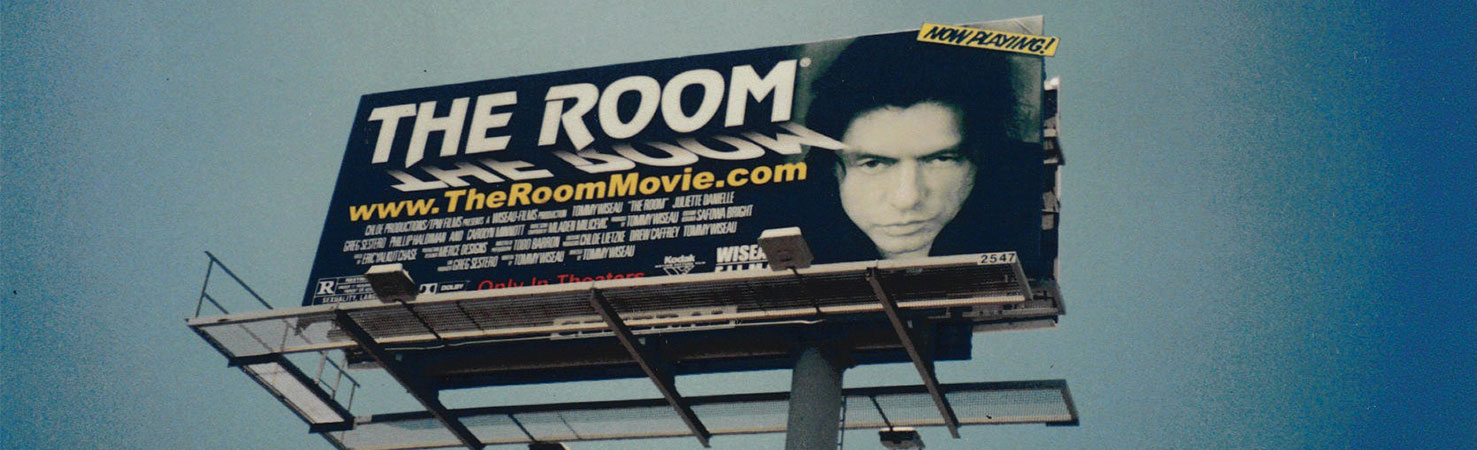
Years ago when we first started Tilted Chair, deep down the rabbit hole in the comments of a reddit post, I clicked a YouTube link proclaiming to be a clip from a movie called The Room. I say “proclaiming” because in that moment I wasn’t sure what I was watching. On top of a bed of serious music, a most-peculiar looking man with long dark hair enters a flower shop that inexplicably contains a dog sitting on the counter. What follows are a series of lines that overlap so strangely that any first-time viewer is bound to click replay, just to confirm what they watched was actually the movie’s intention and not a software bug with YouTube. My wonder quickly turned to laughter. The scene seems to take itself 100% seriously, and it’s so “bad” (quotes intentional; more on that later) it’s hilarious.
Walking into the office the next day, I excitedly loaded up a compilation clip from the movie and showed my partners (this being nearly 8 years ago—there were only 4 of us in the entire company). As they tried to process what they just watched, I provided what little color I could find about the movie:
- The peculiar-looking Actor is named Tommy Wiseau, and he’s also the director, writer, and financier of the movie
- The movie was already old being released in 2003, but it had gained a cult-following
- The movie cost an estimated 6 million dollars, and that all came out of Wiseau’s pocket
- No, we don’t know where his 6 million dollars came from
- Yes, it was supposed to be serious, but Wiseau had more recently called it a “dark comedy”
What followed was a group viewing of the full film, and years of injecting quotes from The Room into our conversations (using Wiseau’s European accent of course). They were always good for a laugh and in a Seinfeldiean sort of way, there just always seemed to be a quote that could fit any conversation.
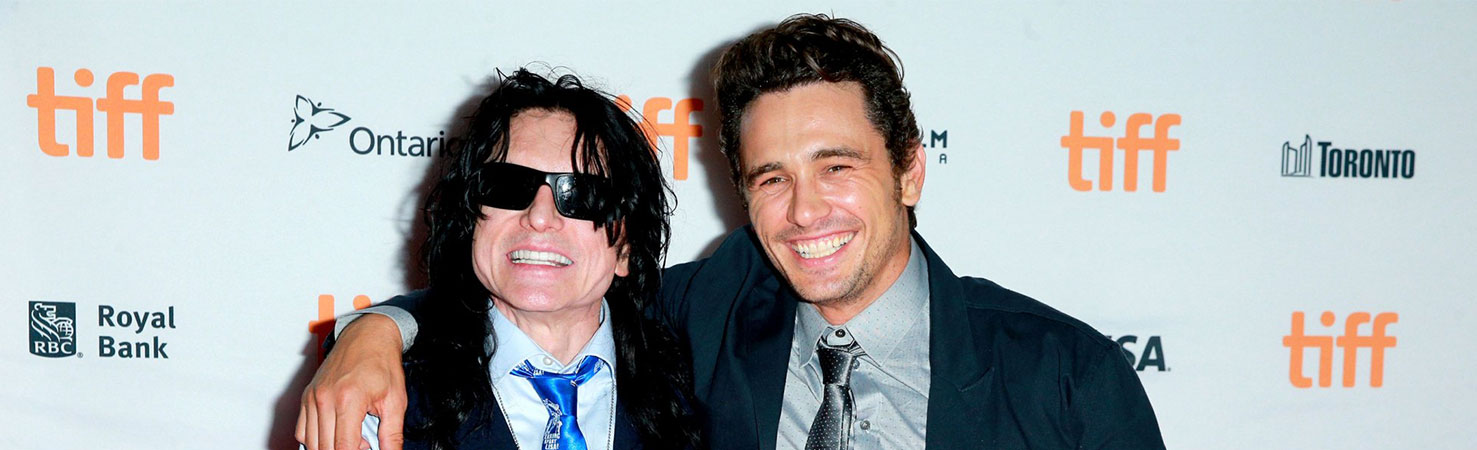
Eight years later, I have just watched James Franco’s movie about the movie called The Disaster Artist. Considering my journey over the last eight years with Tilted Chair, it was only fitting that next to me sat my friend and business partner, Jamie. I think I can safely say we were closest fans of The Room, and it only seemed fitting that we watch this together.

I’ll just start off and say it: The Disaster Artist was amazing and is sure to go down as one of my favorite movies ever. If you’ve seen The Room, you might go into the movie with the same mindset as me: Tommy Wiseau somehow acquired more money than sense, and made a movie so bad it’s funny. But what followed for the next hour and forty-three minutes was a story of friendship and ambition that I think nearly everyone can relate to. In the movie, Greg (played by Dave Franco) is so impressed with Tommy Wiseau’s (expertly played by James Franco) lack of fear in an improv class, that he strikes up a conversation asking for help with his acting. The two quickly become friends and move out to LA together to try and make it as actors. After commiserating with each other on the endless rejection they were experiencing, Greg wishes they could just make their own movie, a thought that Wiseau thinks is a great idea and something they should do.
That movie of course is what becomes The Room, and while The Disaster Artist is a hilarious comedy throughout, it gives the audience a view into Wiseau’s mind that isn’t easily seen by simply watching his movie or seeing his often-strange interviews on YouTube. It’s easy to focus on Tommy’s eccentric character traits, but The Disaster Artist truly paints the picture of someone who will stop at nothing to follow his dream. No one willing to cast you in THEIR movie? OK, make one. No Script? Write one. Lead actor? Be one. The movie’s climax is the debut screening of The Room which includes the actors from the movie and a surprisingly full audience. While Wiseau believes he’s presenting something serious, the audience and actors move through a range of emotions from disbelief to laughter.
It’s easy to laugh at Wiseau. He made a movie so bad that it’s good. But is it really bad? I think any director or actor would consider their career a success if they made or acted in a movie that sold out for YEARS after its release. And how many movies are viewed over and over again like The Room? Lastly, how many people have movies made about them, especially while they’re still alive? Wiseau has a lot to be proud of and from what I can see today, he is. I think it was only fitting that I finished this movie next to my friend and business partner, Jamie. We too followed our dream, and I’m sure we created a few disasters along the way. But over time, I think we’ve created some things that are pretty good as well.
The Disaster Artist: A movie so good it’s good, about a movie so bad it’s good, that makes you respect art that is good regardless of the journey it took to get there.
An Ad Man’s Review of “Three Billboards Outside Ebbing, Missouri”
Outdoor Advertising isn’t dead yet. But can it help solve a murder?
There are a few moments in the life of an advertising agent when our craft is hoisted to the forefront of society’s collective attention, and you can turn to your friends and say, “Yeah, that’s what I do.” And when advertising does make an appearance, it usually surfaces as narrative texture in a TV or movie plot. Done well, it’s the fulcrum around which a more complex plot pivots (Mad Men); at its worst, it’s the set-up for a two season reality show (The Pitch); and somewhere in between, it’s the leading man’s quirky job in an above-average romantic comedy (How to Lose a Guy in 10 Days). Never, however, has advertising’s role in narrative film been more ambitious than in Martin McDonagh’s dark comedy, Three Billboards Outside Ebbing, Missouri.
The plot of Three Billboards revolves around a few key characters: Mildred Hayes (Frances McDormand), the bereft and ornery mother of murdered daughter Angela; Sheriff Willoughby (Woody Harrelson), Ebbing’s affable and universally liked lawman; and Jason Dickson (Sam Rockwell), Willoughby’s degenerate and “vaguely racist” sidekick.
The movie wastes no time getting started, opening on Mildred Hayes taking out a year-long contract on three ancient billboards—are those bulletins or posters?—on a seldom-traveled side road outside the sleepy fictional town of Ebbing, Missouri. The billboards’ serialized message is simple: “Raped while dying, and still no arrests? How come, Sheriff Willoughby?” The billboards quickly come to the attention of local press and law enforcement, and Hayes is left to defend her ads at every turn. Ebbing isn’t a place that takes kindly to feather rufflers, and the billboards draw the ire of the locals en masse, including Sheriff Willoughby, Dickson, Hayes’ son’s classmates, and even the local priest. Hayes is relentless though, and the billboards remain despite what seems like all of Ebbing’s admonition to take them down. In over 120 minutes of running time, Hayes fights the law and small-town politics, refusing to let her daughter’s murder fade from Ebbing’s consciousness.
McDonagh touches on a few topical themes along the way, including racism and domestic/police violence, without fully diving into any of them. Plot turns in Three Billboards occur with the violent abruptness we’re used to seeing out of McDonagh, sometimes with fiery and arresting images juxtaposed before an operatic backdrop of sound. No one is purely good or purely evil in Three Billboards, and everyone is capable of redemption. A painful flashback midway through the film reminds the audience that Hayes is no perfect mother, making one wonder if her non-traditional media plan is as much penance for parenting regrets as it is about finding her daughter’s killer.
Frances McDormand plays Hayes with all the raw abrasion of a twilighting Nick Nolte, a far cry from her warm Oscar-winning portrayal of Marge Gunderson in Fargo. She curses, smokes, drinks, seldom smiles, and never apologizes. The utilitarian nature of her character is reinforced by her spartan appearance: no make up, blue mechanic suit, and at times, a crips-blue bandana fashioned around the perimeter of her head. Her quest to draw attention to, and ultimately find the killer of, her daughter escalates into a small-scale war—fire and all—with Ebbing as the theater.
Harrelson and Rockwell deliver layered and complex performances, worthy of admiration. A colorful supporting cast—including a humorous appearance by Peter Dinklage—rounds out a just-shy-of-authentic portrait of the rural American Midwest. There are a few questionable character choices, but overall, the cast’s effect is compelling.
Several lines of dialogue poignantly stood out, both from the perspective of an ad man (“When you can’t trust lawyers or advertising men, what has America come to, huh?”) and just as a human being (“Maybe I’ll see you again, if there’s another place. If there ain’t, well, it’s been heaven knowing you.”) On average, McDonagh’s signature screenwriting style drives the plot forward smoothly. Still, there are moments where the off-kilter, superfluous dialogue leans toward awkward rather than humorous, leaving one to wonder if something was lost in translation between McDonagh’s zany Irish/British humor and the American actors tasked with manifesting it.
As an advertising professional, there were a couple of head-scratchers: I found myself thinking, “Is that the font Impact on the billboards? And since when do outdoor companies print back-ups at no additional cost?” But as a Martin McDonagh fan, he’s created something arguably masterful that slots just behind his best (In Bruges) and miles ahead of his more forgettable (Seven Psychopaths). Mad men and perfectly happy people alike will find their thoughts lingering on the film’s nuanced characters, Main Street cinematography, and quirky dialogue long after the billboards finally come down.