What Dolly Taught Us About Being Unapologetically Human
I’d like to say first that I am writing this article entirely as an excuse to wax poetic about a woman who has inspired me personally for many years and pay respect in some very small part to her passing this week. All inclusions of analogies drawn to marketing principles are for the sole purpose of justifying publishing this on the largest platform that I have access to (my agency’s website) and hopefully amplifying its reach to other fellow marketers lamenting her passing, that they may have an excuse to cry at their computer on company time (don’t forget to log your time under “professional development/research”). I do not mean to be insensitive or disrespectful in any way.
My love for Dolly Parton started with a love for my Mimi (grandmother to non-Southerners). Before I was graced with my first chorus of “Jolene” or watch-through of Unlikely Angel, I was clipping on my Mimi’s rhinestone earrings, wobbling in her leopard print heels, stealing her frosty hot pink lipstick, and falling asleep to the feeling of her long acrylic nails stroking my arm.
It doesn’t take more than one glance to know that my Mimi loves Dolly Parton more than anyone on this planet. From the platinum blonde hair to the bedazzled, animal-printed, and fringed outfits that are somehow never repeated. This is the woman who taught me that you “never leave the house without your hair and face done;” that you can speak softly and still command a room; and to be who I am “because everyone else is taken.”
And now that I’m handing down these lessons and indoctrinating my own daughter into this glitter-encrusted, hair-teasing sisterhood, I wanted to take a moment to acknowledge how Dolly inspired generations of people with her unwavering commitment to being herself and loving others.
EEAT Before the Internet Existed
Okay, fine—here comes the required marketing tie-in.
In a time when marketers spend so much energy worrying about Answer Engine Optimization (AEO) and keeping up with algorithmic shifts, it’s almost funny how a woman whose rise to fame predated the personal computer effortlessly hit every principle of EEAT (Experience, Expertise, Authoritativeness, and Trustworthiness):
Experience: Growing up in a one-room cabin in the Great Smoky Mountains with eleven siblings gave her absolute zero-party data on the human condition.
Expertise: Over 3,000 written songs prove domain authority that no AI model could hallucinate.
Authoritativeness: Decades of multi-generational, global cultural consensus.
Trustworthiness: Unshakable consistency across seven decades.
There. We checked the SEO box. Now back to what actually matters: what we can learn from the incomparable legacy this icon leaves behind, both as a human being and as the greatest personal brand to ever walk the earth.
Lesson 1: Build a Brand So Distinctive It Can’t Be Cloned
In the days since her passing, we’ve seen perhaps the biggest, most ubiquitous outpouring of love across every imaginable demographic. People from every walk of life, political creed, background, and identity loved Dolly Parton.
Yet, she never tried to be “for everyone.”
She unabashedly wore sky-high wigs, heavy makeup, and loud, fringe-heavy fashion decades before maximalism was trendy. She famously modeled her look after the “town tramp” in Sevierville because to a young girl growing up in poverty, that was what beauty and power looked like.
Distinctive Identity + Absolute Consistency = Total Cultural Affinity
Dolly showed that when you own your visual identity and persona 100%, you don’t alienate people—you fascinate them. She built a brand that created endless positive sentiment because it was entirely unique, instantly recognizable, and never compromised.
Lesson 2: A Single Central Story, Unlimited Purposeful Manifestations
Dolly’s entire ecosystem was anchored to two core truths: she was a Christian, and she grew up poor in rural Appalachia.
Everything she built stemmed from that origin story, yet she translated it into countless distinct, high-impact initiatives:
She didn’t change her central narrative to fit different audiences. She simply let her values manifest in ways that brought real help to real people.
Lesson 3: Embrace the Contradictions (Authenticity Wins Every Time)
Most corporate brand guidelines try to sand off every edge until an entity is completely smooth, safe, and utterly boring. Dolly’s personal brand was full of glorious, human contradictions that made her utterly believable:
She was devoutly Christian, yet openly embraced her sexuality and advocated fiercely for marginalized groups.
She never shied away from tough subjects like poverty or reproductive rights, yet maintained warmth that bridged political divides.
She was wildly rich and influential, yet deeply humble—always maintaining that she was “just a songwriter” and politely insisting her voice was merely “lovely,” not elite.
She spent millions looking outrageously artificial while being the most authentic person in any room.
She never pretended to be anything she wasn’t. She told you her hair was a wig, her nails were fake, and her jokes were calculated. Because the wrapping paper was artificial, the gift inside was always 100% genuine.
Lesson 4: Evolve the Medium, Preserve the Core
From radio transcription disks and vinyl to streaming services, social media, and digital platforms, Dolly never fought new technology or changing times. She embraced them.
She leaned on trusted experts, business managers, and creative collaborators so she could stay laser-focused on her core genius: writing songs and connecting with human hearts.
Right down to her visual signatures—like the consistent motif of the butterfly that followed her from her 1974 album Love Is Like a Butterfly to her theme parks and stage costumes decades later—she understood how to signal continuity while constantly moving forward. Read more on her legacy at the Country Music Hall of Fame.
The Final Takeaway
We mourn Dolly Parton because she represented the absolute best of us. She showed us how to speak softly while holding an entire room spellbound, how to use success to lift up everyone around us, and how to look in the mirror every morning and decide to be exactly who we are—rhinestones, teased hair, and all.
To Dolly: Thank you for the music, the books, the jobs, the laughter, and the blueprint for how to live a full, loving, unapologetic life. We will always love you.
Thank you for joining me on this thinly veiled excuse to sob at our desks. But in the wise words of St. Dolly, Patron (Parton) Saint of the 9 to 5 – “I’m a workhorse that looks like a show horse.” So, dry your eyes, fix your makeup, fluff your hair, and back to work. May you create something today that she’d be proud of.
The Evolution of Branding: 7 Predictions for 2025 and Beyond
Branding is in constant flux, shaped by cultural shifts, technological leaps, and consumer demands. While many trends aim for the mainstream, the fringes often hold the most exciting and controversial ideas—ones that challenge conventions and redefine the game.
Here are Tilted Chair’s bold predictions for how branding will evolve in 2025 and beyond, including some controversial paths you might not expect.
1. Radical Transparency Will Be Non-Negotiable
Consumers are demanding brands lay it all out—flaws, failures, and all. Future-forward brands will:
Publish real-time data on their environmental impact, diversity metrics, and ethical sourcing.
Openly address past controversies or missteps in branding.
Allow customers to hold them accountable in public forums like social media.
This hyper-transparency might rattle some companies, but it’s a surefire way to build trust with savvy, skeptical audiences.
2. Micro-Niching Will Outshine Mass Appeal
Instead of casting a wide net, brands will focus on hyper-specific, even bizarre niches. Expect brands targeting audiences like:
Cat lovers who are also into punk rock.
Vegan tech enthusiasts with a passion for retro gaming.
Adventure-seeking grandparents looking for extreme sports gear.
By zeroing in on these micro-tribes, brands can create cult followings that feel intensely personal and exclusive.
3. AI-Generated Influencers Will Dominate Social Media
While human influencers still hold sway, 2025 will see a surge in AI-generated personalities. These hyper-realistic digital influencers will:
Customize their personas to perfectly reflect brand archetypes.
Never tire, flub a line, or stray from the brand’s narrative.
Spark debates about authenticity and whether human connection is being compromised.
The line between reality and simulation will blur, and not everyone will be comfortable with it.
4. Dark-Mode Branding Will Take Over
With the rise of dark mode on devices, brands will shift their visual identities to align with this preference. Expect to see:
Sleek, minimalistic designs in muted tones or neon-on-black palettes.
Logos optimized for both light and dark backgrounds.
A pivot from traditional bright and airy branding to something moodier, edgier, and more provocative.
5. “De-Influencing” Will Become a Brand Strategy
As consumers grow weary of constant “buy this now” messages, de-influencing will rise as a counter-movement. Brands will:
Encourage minimalism and mindful consumption.
Release campaigns urging customers to “buy less, but buy better.”
Risk alienating shareholders in the short term but win long-term loyalty from ethically driven audiences.
6. Psychedelic Branding for the Mindful Generation
With the growing acceptance of psychedelics in wellness and therapy, brands will lean into trippy, mind-expanding visuals and messaging. Think:
Swirling, vibrant color palettes inspired by altered states.
Campaigns emphasizing mindfulness, introspection, and emotional healing.
Partnerships with wellness startups that explore the intersection of science and spirituality.
This approach will appeal to younger generations embracing mental health and self-discovery but may alienate more traditional audiences.
7. Meme-First Branding Will Shake Up Traditional Strategies
Memes aren’t just for fun anymore—they’re a powerful branding tool. In 2025, brands will build entire campaigns around viral humor. This means:
Launching meme-based advertising that feels organic and absurd.
Engaging in playful “brand feuds” that entertain audiences and drive visibility.
Risking backlash if humor misses the mark or alienates certain groups.
What These Predictions Mean for Your Brand
While not all of these trends will resonate with every company, they highlight the bold and unconventional directions branding may take. To stay ahead, brands must be ready to experiment, adapt, and, yes, even polarize.
At Tilted Chair, we’ve spent 15 years at the forefront of branding, helping companies turn audacious ideas into impactful strategies. Are you ready to embrace the future of branding—quirks, controversies, and all? Let’s start a conversation.
The Great Debate: Should You Hire a Marketing Agency or Build an In-House Marketing Dream Team?
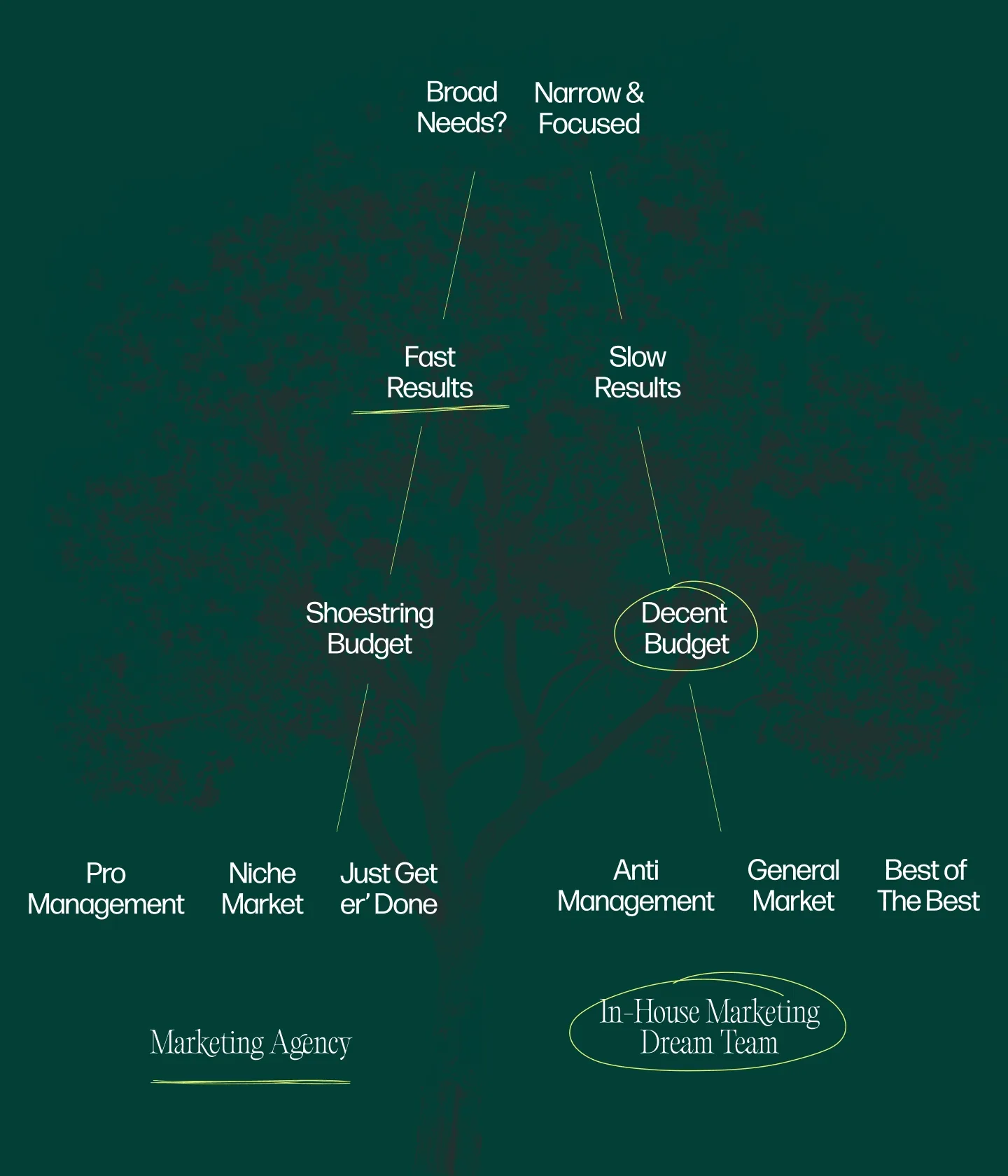
As a Director of Marketing for a growing business, you’re probably juggling a thousand things at once—strategies, campaigns, ROI calculations, and maybe even the occasional existential crisis (we’ve all been there). One of the biggest decisions on your plate is whether to hire a marketing agency or build an in-house team. Both options have their perks and pitfalls, so let’s break it down with a decision tree—because who doesn’t love a good graphic?
What’s on Your Marketing Plate?
Broad and Specialized Needs?
If you’re looking at a marketing buffet with SEO, content, PPC, social media, and maybe even a sprinkle of influencer magic, an agency might be your best bet. They’ve got a smorgasbord of specialists ready to jump in.
Narrow and Focused?
If your marketing needs are more like a single entrée—let’s say you’re only focusing on content marketing or social media—a small, mighty in-house team could be the way to go. Why hire a whole agency when you can get the job done with a couple of rock stars in-house?
How Fast Do You Need Results?
Need It Yesterday?
If you’re under the gun to deliver results fast (and let’s be honest, when aren’t you?), an agency can hit the ground running. They’ve got the infrastructure, the tools, and the experience to roll out campaigns quicker than you can say “marketing ROI.”
Playing the Long Game?
But if your sights are set on long-term growth and don’t need to see traction for 12-18 months, consider building an in-house team. These folks can be molded to fit your company culture and get deeply embedded in your strategy, leading to sustained growth over time.
What’s the Budget Situation?
Shoestring Budget?
If you’re pinching pennies (or just trying to stretch your marketing dollar), an agency could give you more bang for your buck. They offer a range of services that would cost you a small fortune to replicate in-house.
Got a Decent Budget?
But if you’ve got some budgetary wiggle room, investing in an in-house team could pay off. Sure, the upfront costs are higher—think salaries, benefits, and office snacks—but the control you gain might be worth it.
Can You Handle the HR Side?
Management Pros?
If you’re already a whiz at managing a team (and have the resources to do so), an in-house team might be your dream come true. You can hire, train, and shape them to fit your exact needs.
Leave the Herding to Someone Else?
But if the idea of managing yet another team makes you want to run for the hills, an agency comes with its own built-in management. They handle the nitty-gritty so you can focus on the big picture—or, you know, finally tackle that inbox.
Do You Need Industry-Specific Expertise?
Niche Market?
If your industry is as niche as they come, an agency that specializes in your field might be worth its weight in gold. They’ll bring the expertise and insights that can make a real difference in your campaigns.
General Marketing Know-How?
If you don’t need super-specialized knowledge, an in-house team can do the job just fine. Hire for marketing chops, and industry knowledge can be developed along the way.
How Important Is Brand Consistency?
Brand Is Everything?
If brand consistency is your mantra, an in-house team can be your brand’s best friend. They’ll live and breathe your company culture, ensuring that every piece of content is on-brand.
Brand is Almost Everything?
If you’ve got clear brand guidelines in place, an agency can still be a great option. They’ll adapt to your brand, though they might not live it the way an in-house team would. This can be a good thing if the agency is able to add new dimension to your brand, or it could be bad if the agency strays too far from your brand personality. If you don’t have good brand standards then you might need to work with a branding agency to create them (like Tilted Chair, wink-wink).
Execution vs. Strategy: What’s the Priority?
Just Get It Done?
It’s pretty easy to find and hire a decent designer or marketer to bring in-house. If you’re priority is to get the foundational boxes checked off, then hiring in-house is a good option.
Need The Best?
Typically, the most talented people don’t like to be constrained to one client or task for years and years. They crave variety and challenges. This is why if you are really wanting to deliver the best results, it’s best to hire an agency to deliver that amazing concept or strategy.
The Final Decision: Agency or In-House?
So, what’s the verdict? If you’ve checked more boxes on the left side of our decision tree (broad needs, fast results, tight budget), it might be time to dial up that marketing agency. But if the right side is calling your name (narrow focus, long-term growth, adequate budget), it’s worth investing in an in-house marketing dream team.
Whatever you decide, remember that both paths can lead to marketing success—it’s all about what fits best with your company’s goals, culture, and resources. And hey, if you need to, there’s always the option of doing both. Tilted Chair has many current and past clients with in-house teams where the agency acts as additional brainpower when times call for it. Just remember to keep the coffee flowing and the sense of humor intact. Marketing isn’t for the faint of heart, but with the right team, it can be a whole lot of fun. And as always, if you need help deciding which is best for you we are only a short contact form away:)
Maslow’s Hierarchy of Marketing: How to Sell Features, Benefits & Meaning
Level 1: Basecamp (Features)
“Sell benefits, not features,” is one of the oldest tropes in marketing. It’s also totally wrong.
When used at the right point in the marketing funnel, features—or lack thereof—can mean the difference between a sale and an abandoned shopping cart.
Often times, product features can be valuable technical deal-closers toward the bottom of the funnel when a prospect is verifying mandatory requirements. In other cases, they can also be useful in grabbing the attention of high-intent, goal-oriented, hyper-focused customers.
When it comes to e-commerce marketing, features are often the most important level of communication, because people can buy right then—if the features fit their needs.
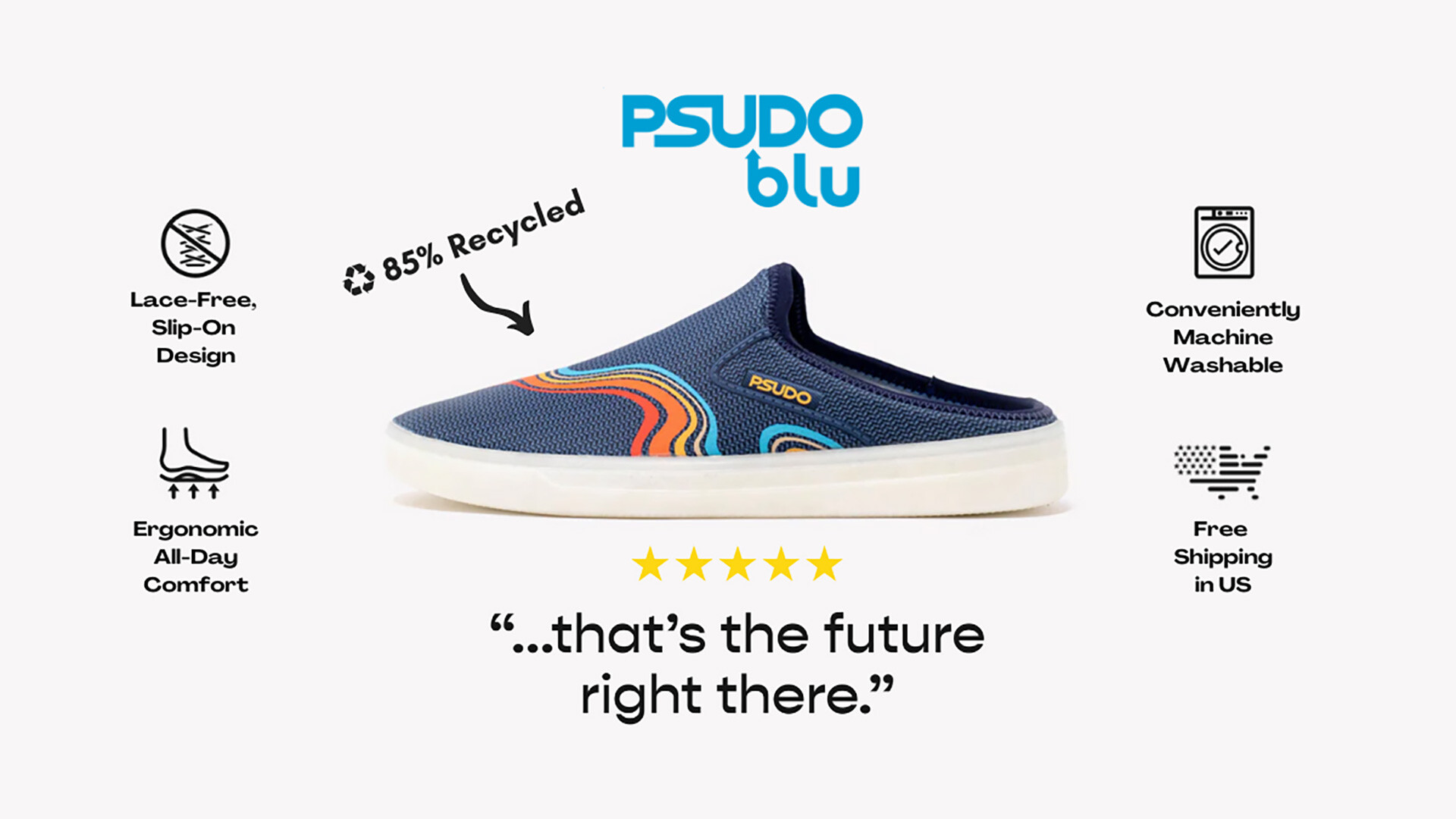
A good example: when working with our client PSUDO, the hands-down most successful ad format we landed on among the dozens tested was the following:
The above ad, which combines a simple product shot, a customer review, and a bunch of features (with some benefits worked in) outperformed all other ad formats by more than 50%.
Don’t sleep on features.
Level 2: Advance Base Camp (Benefits)
Benefits equate to the value that features bring:
Lace-free shoes → Slip-on convenience
Mobile RX delivery → Healthcare anywhere
Organic dog food → More years/memories with your doggo
Benefits are one step up on the psychological hierarchy because they answer the natural follow-up question that many features inspire: so what?
Benefits are useful at the top of the marketing funnel, especially for newer brands that aren’t yet ready to sell meaning. You can’t skip this step in the hierarchy—a brand can’t selling meaning until it demonstrates practical value in the lives of the customers it serves.
Take the video ad we conceived and developed for Contentful:
No features, but also, no meaning. Just a good ol’ fashioned comedic depiction of a company’s content team in chaos—the state of reality before Contentful is a part of the equation.
Level 3: Summit (Meaning)
Finally, we arrive at meaning, something everyone aspires to sell, but that most people and brands don’t know how to package and articulate.
Meaning derives from fully developed communities, and as such, real, honest-to-goodness, genuine brand meaning can’t be forced or faked.
Nike sells peak performance. Impossible foods sells a sustainable world. Liquid Death sells Death to Plastic.
When customers of these companies make purchases from them, they are affirming their belief in the meaning of that brand and its vision.
Selling meaning is useful when building brand awareness at the top of the marketing funnel. Think Super Bowl ads and national advertising campaigns that are more thematic or philosophical and less practical/applicable. If features are where the rubber meets the road, meaning is the dream of a road trip.
What does all this mean for your brand and its marketing messaging architecture?
The goal when assembling a messaging architecture shouldn’t be to pick features, benefits, or meaning. Instead, the aim of a well-configured messaging architecture should be to lay out a roadmap for when and how to utilize all three levels of marketing messaging to maximize the brand’s chances of making a lasting and meaningful impact on its customers.
The pandemic isn’t over, and its effects may be felt for years to come. How should restaurants and other food-service providers prepare to succeed in a whole new world?
KEY TAKEAWAYS
People are spending more time than ever on social media. Restaurant marketers should increase their presence on social channels to match.
Restaurants should regularly and conspicuously broadcast their COVID-19 safety measures to reassure leery guests.
Restaurants should explore cook-from-home meal kits and ready-to-go cocktails to broaden menu appeal.
Look into menu engineering to ensure the maximum impact of every order.
To walk into a local restaurant is, in many ways, to walk into the heart of a community.
And right now, in the midst of the COVID-19 pandemic, more and more restaurateurs across the country have been forced into challenging positions, working harder than ever to prevent their hometowns from losing what makes them special to so many people. Some have been around for hundreds of years; others optimistically opened at the start of 2020, but nearly every restaurant has struggled to get by in a year riddled with uncertainty.
Following the U.S. government’s enforcement of shutdowns in an effort to slow the spread of COVID-19, four out of five restaurant owners weren’t sure they’d be able to survive the pandemic, even with stimulus assistance, putting 11 million workers and an entire trillion dollar industry at risk of financial ruin.
In a survey released by the James Beard Foundation and Independent Restaurant Coalition, independent restaurants reported laying off 91% of their hourly staff and nearly 70% of their salaried employees at the height of the pandemic.
Between just the months of March and May, research from the NRA (not that NRA–the National Restaurant Association) indicated that the restaurant industry had lost 120 billion dollars in sales. With restaurants re-opening, they now face limited capacity and other obstacles that could make it hard for them to turn a profit. To keep our cities’ unique spirits alive, restaurants must smartly navigate the terrain of a new, post-pandemic world.
Working with extremely low profit margins already—the average restaurant profit margin is between 2% and 6%—restaurants now more than ever must budget as wisely as possible. This means only spending on marketing when it is absolutely necessary, and when its effects can be accurately measured.
Many restaurateurs are scaling back campaigns significantly, but a cost-effective way to reach patrons is by being active on social media. With many people isolated at home, social media will become an even more crucial tool for restaurants to engage with potential customers.
72% of respondents in a survey indicated that their social media consumption had risen during the pandemic, with 43% of them claiming they’d been posting more frequently as well. Posting on social media now will generate more views for restaurants than ever before, and the likelihood that people will respond or make additional posts about restaurants is also at an all-time high. 36% of American diners follow restaurants on social media, with 39% of them doing so to determine if they want to order food from the establishment. This will likely only increase, making social media one of the most vital instruments to a restaurant’s success. Nearly half of U.S. diners have tried a restaurant for the first time because of a social media post made directly by the business, and 22% made the decision to return after further social media engagement.
Obviously social media posts can be very effective—if they’re done right.
21% of diners claimed posts discouraged them from visiting certain restaurants. Only by providing click-worthy content on the right kinds of platforms can restaurants expect to see a difference in their sales. While Facebook is the most commonly used social media platform for restaurants (91%), Instagram has recently exploded in popularity. In 2018, a measly 24% of restaurants reported using Instagram, but by 2019, that percentage had grown to 78%.
Quality posts on Facebook and Instagram will help maintain positive relations between restaurants and their audiences, and the importance of a good reputation is not to be underestimated. When discovering new restaurants, 59% of restaurant-goers rely on friends’ recommendations.
When one thinks of restaurants, surely they think of food. But a meal is far from being the sole reason why people patronize restaurants.
Many go out to eat for the atmosphere, the experience of visiting a new place, and the opportunity to meet people. Other times they go simply for the convenience of not having to cook for themselves. 90% of Americans don’t like to cook, and they’re willing to shell out extra money to avoid doing so. Since the beginning of March, “take out” search interest on Google has increased by 285%. “Restaurants near me” had been the most popular “near me” Google search since 2015, but consumer behavior quickly changed in 2020, with focus shifting towards “Delivery” as a result of COVID-19. There was a 650% increase in search interest for “Is food delivery safe” across the U.S. as people sought new ways to patronize restaurants.
Many diners still want restaurants’ food, they just need assurance that restaurants are taking the proper precautions to keep their customers out of harm’s way. Perhaps the biggest hurdle restaurants are facing currently is marketing to diners who’ve spent nearly an entire year hunkered down at home. An emphasis on safety is possibly the only way restaurants can win back the business of customers highly concerned about COVID-19. Going out will always pose a risk, but restaurants that make a visible effort to protect their customers from COVID will best manage maintaining strong reputations within their communities.
One safe and easy way restaurants can remain engaged with people who may be too fearful of dining in is to host online cooking classes and other types of virtual seminars.
Another alternative restaurants are adopting is the sale of at-home meal and cocktail kits, so that people can make restaurants’ dishes in the safety of their own homes. Despite people’s impartiality to cooking, 41% of consumers said they’d buy a make-at-home meal kit from their favorite restaurant if it was offered. If cooking habits are changing following the stay-at-home orders of 2020, this could be an area of importance for restaurants to capitalize on. A vast majority of millennials would rather spend money on an experience than a “thing,” and these experiential options will preserve the goodwill of restaurants even when offering an in-person experience remains a challenge.
If restaurants simply provided food to people and nothing else, they wouldn’t be as popular as they are.
Restaurants that will succeed in the post-pandemic world will continue to find ways to sell experiences to their patrons rather than just another meal. They’ll also continue to find new, more efficient ways to sell in general.
One tactic that’s not new but is receiving renewed attention is the concept of menu engineering.
With menu engineering, many restaurants have figured out how to maximize their profits through the strategic reconstruction of their menus. A fusion of psychology, data, and design, menu engineering can increase a restaurant’s profitability by as much as 20%, and a growing number of restaurants are embracing the practice. Requiring a thorough analysis of restaurants’ ingredients cost and sales numbers, the objective of menu engineering is to create infallible restaurant menus, so that every food and drink item is as popular and profitable as possible. The deliberate placement of items at certain locations on the menu also increases the likelihood of guests selecting specific things. When menu engineering is done correctly, a restaurant’s bottom line is fine regardless of what customers order from the menu, minimizing financial risks.
The COVID-19 pandemic has posed a challenge to businesses of all kinds, but hardly anyone has been hit harder than the restaurant industry.
Restaurants that devise new ways to remain afloat during this tumultuous time will ultimately become stronger, more resilient businesses in spite of the hardship they’ve had to endure. As long as there are people, restaurants will continue to survive along with us. They’re a staple of life, and if 2020 reminded us of one thing, it’s that life is sometimes unpredictable.
Whether we’re prepared for that unpredictability is up to us.
Need a navigator to help guide you?
Branding Beyond 2020: The Human Method
In today’s digital age,
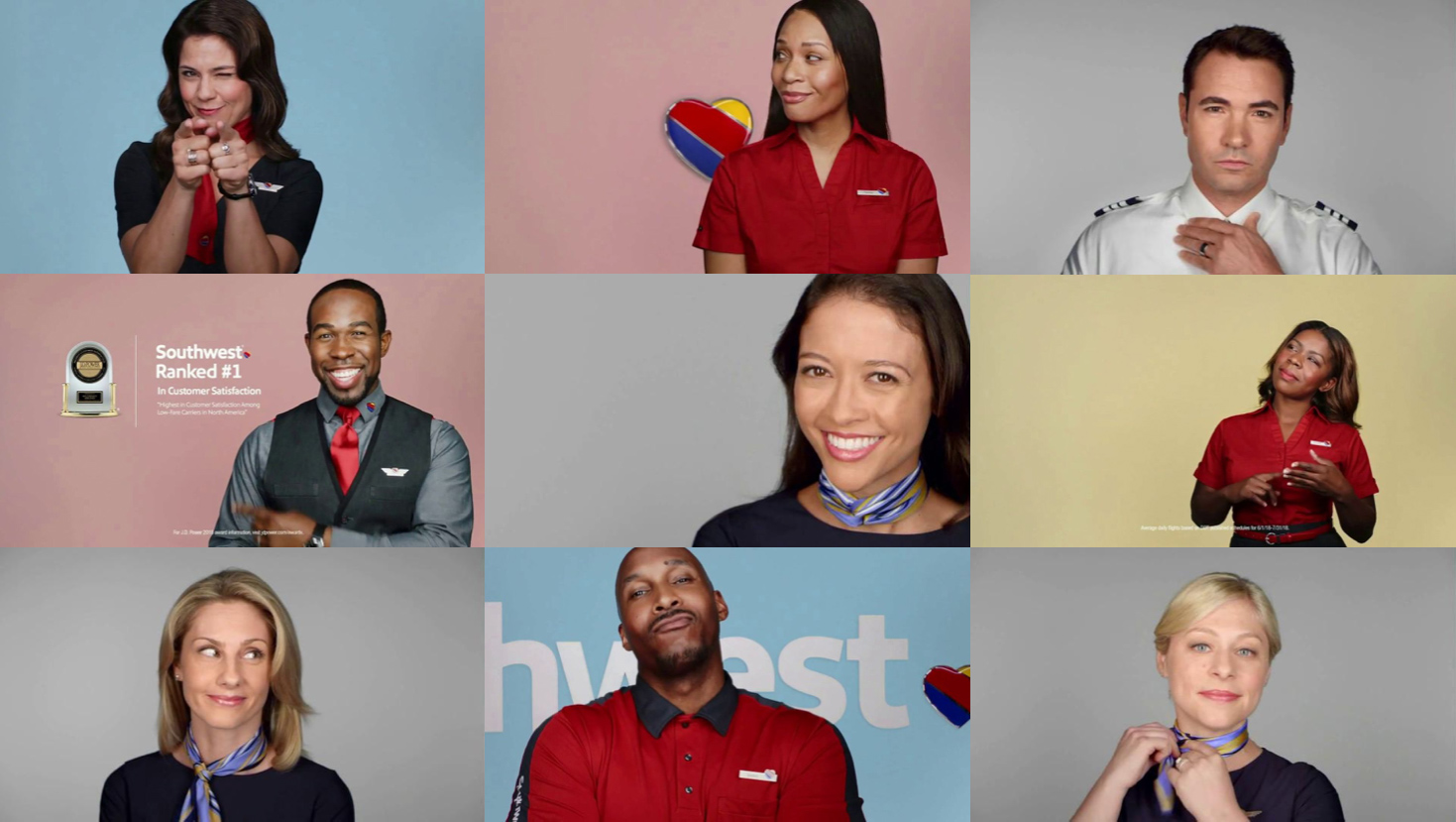
consumers can pretty much buy anything, at anytime, from anywhere. So what makes someone choose one brand over another? Furthemore, what keeps them coming back? We believe the answer to these questions lies in the amount of humanity in brands. Let’s take Southwest Airlines (a personal favorite of mine) and the amazing brand they have built over the years.
Everything from the colors they use, to their fun ads showcasing their employees, to their philosophy of not nickel-and-diming passengers has built one of the best examples of a human brand.
WHY ARE HUMAN BRANDS MORE SUCCESSFUL?
The answer seems very simple when you think about it, but human brands (brands built upon a human persona) are able to better connect with people. They take thousands of years of human interaction and distill it down into a relatable and familiar personality that people are able to identify with and build a relationship with. People know what drives the brand, the values of the brand, the goal of the brand, and ultimately how they as consumers should engage with the brand. Human brands make it easy for people to open their hearts—and ultimately, their wallets.
HOW DO YOU CREATE A HUMAN BRAND?
Over the past five years we have branded more companies than we can count. The method we utilize gives birth to very strong brand personalities that can continue to grow as the company and culture evolves. Our method has three steps:
Understand your brand personality.
Understand the brand personality of your competitors.
Build your brand around that personality.
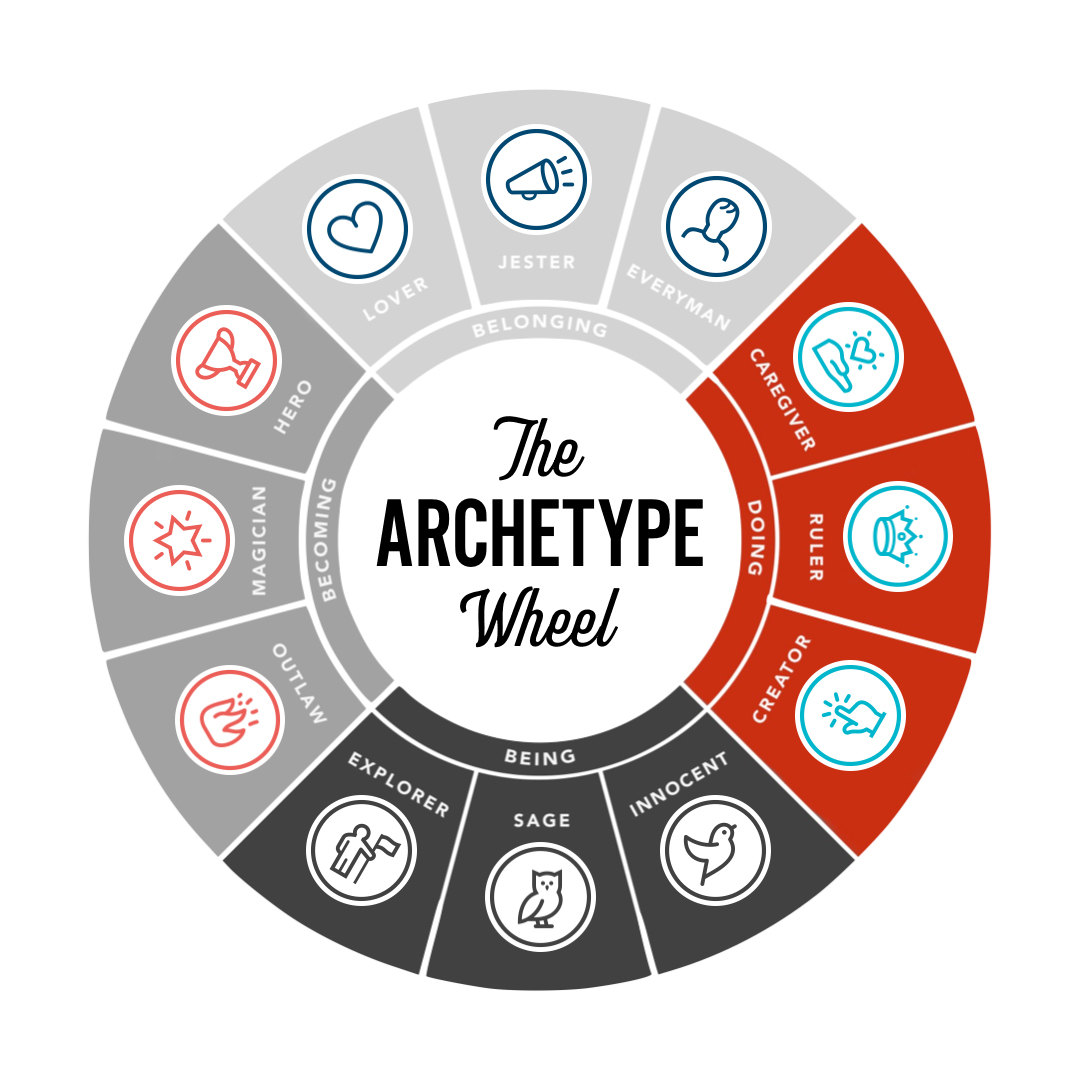
We’ll briefly take you through each of these parts and explain how our team successfully creates some of the best human brands possible. Understand your brand personality. If we don’t know who we are, how can we expect others to get to know us? We use archetypes to help us understand our brand personality. Archetypes are personas developed in the early 1900s by Carl Jung, a Swiss psychiatrist and psychoanalyst who founded analytical psychology. Archetypes have super cool names like the Hero, the Outlaw, and the Sage. In order to identify our brand personality we first conduct an archetyping workshop with all key stakeholders of an organization. These workshops usually last from two to six hours depending on the number of stakeholders participating. Not only does this give us insight into the values and true mission of our clients, but many times our clients have never gathered in a room together to discuss these topics. So in a way, this workshop acts as a therapy session/team building workshop. At the conclusion of this workshop, we can usually narrow down our client to two or three archetypes.
Understand the brand personality of your competitors. Since we are rarely the only option for our consumers, we also have to look at our competitors. What are their brand personalities? What space are they occupying in our consumers’ minds? Humans like variety. Think about the show “Friends.” Now think about which of the characters you best identify with. Was it Joey? No? Well, that’s the character I identify with so it’s a good thing the writers decided to give them all different personalities. The same theory goes for brands. You and your competitors may offer similar products, but it’s your personality that people will connect with. That’s why we go through a thorough analysis of your top competitors to help identify the archetype they most authentically align with. At this point we can ensure the archetype we assign to a brand both encapsulates the essence of the brand, as well as occupies a unique space not currently occupied by your competitors.
Build your brand around that personality. This is the last step in creating a truly powerful human brand. Once we know our archetype we can begin building an identity that communicates the mission, values, and motivations of that archetype both visually and verbally. The colors, the fonts, the textures, the photography style, and the words we use should all strengthen and convey your brand personality. Both consciously and subconsciously, it should provide our consumers with a clear understanding of who we are as a brand. This is what truly great branding experts are capable of doing. They don’t just create cool logos and identity systems, they build a communication bridge between your brand and your consumers across which human connections can be made.
Using our methodology to branding not only lays the foundation for a strong brand but arms companies with a cohesive identity from which all business decisions and processes can rely upon. A Hero can’t just wear a cape. She has to embody the morals and values of a hero. Putting some thick books on a shelf doesn’t make you a Sage. The Sage must be constantly learning and sharing that knowledge with others. No matter what your business goals might be—retention, market share, or some other objective—make sure your brand is human. Because it’s human brands that will continue to thrive and connect with people in 2020 and beyond.
Need help navigating in the new reality? Hit us up.
Marketing in a Recession
It’s a word that no one wants to say, hear, or think about: recession.
Like wizards gasping at the utterance of the name “Voldemort,” the prospect of a recession is enough to make muggles shudder—and panic. And while the coronavirus was perhaps just the match that lit the fuse, the prospect of at least some kind of long-term global economic impact is looking increasingly probable.
I’m not a doomsday prophet, and the objective of this article isn’t to proselytize hysteria. Quite the contrary. If I’m early in predicting an economic downturn, well, that’s kind of the point. As an agency that was born at the tail end of the last recession, we know a thing or two about prospering during tough times. The most important lesson we learned from the early days of operating a business during a recession pertained to preparation: psychological, strategic, and tactical preparation. If you get ahead of it and develop the right plan now, you very well just might find yourself stealing market share, gaining new fans, and popping discounted champagne while your competitors are panicking.
DON’T PRETEND WE’RE NOT IN A RECESSION
At the core of the human brands we develop is empathy, and not just during a recession. Have empathy for your customers, and exhibit an understanding of their situation. Nothing is more alienating than an out-of-touch brand pushing unrealistic expectations. Brands that identify with their audience and act with a genuine sense of empathy stand a better chance of endearing themselves to their audience—and weathering the storm.
FOCUS ON PRACTICAL VALUE
During leaner times, people have less disposable income. Every dollar needs to go further. Communications intended to stimulate activity toward the middle and bottom of the funnel should emphasize the real, tangible value of engaging with your brand.
EXPLORE “ESCAPE” ADVERTISING
When reality is depressing, people seek outlets that allow them to escape. It’s one of the reasons that movie theaters do so well during a recession. And with technology making escape advertising more viable than ever, there’s no time like a recession to test out this approach. If it fits your brand position, capitalizing on the impulse to escape reality may very well prove a winning formula.
EXPLORE “COMMUNITY” ADVERTISING
On the flip side of escape advertising would be what we might call “community” advertising. Another human response to fear and uncertainty is retreat to familiarity. If it fits your brand, experiment with more comforting and soothing messages—ones that reinforce the idea of home, family, community, and togetherness.
OFFER DISCOUNTS
Nothing screams “empathy” like advertisers putting their money where their mouth is. Literally. Discounting products is a time-tested way of introducing value-seeking customers to a brand. And during a recession, everyone’s looking for a great deal. That’s why discount retailers—among several other types of businesses—perform better than everyone else during a recession. And while discounted products might not fit into every brand’s long-term strategy, during tough times, a discount might just mean the difference between making a sale and missing out.
DON’T CUT YOUR MARKETING BUDGET
The blatant self-serving nature of this last one isn’t lost on me, but seriously, it’s true. Cutting your budget during a recession is the marketing equivalent of panic selling stocks, which as it turns out, is a really bad idea. Why would you cut budget when everything just got cheaper? Media and other marketing-related expenses are literally on sale! It’s precisely during an economic downturn when advertisers have the opportunity to strategically lock-in contracts at bargain-basement rates.
In the end, all of this might be for naught. But in the spirit of hoping for the best and preparing for the worst, start putting a plan together now. In marketing, like in life, “an ounce of prevention is worth a pound of cure,” as the saying goes. The sooner you activate and develop a plan for your business, the easier you can breathe should times get tough, knowing you’ve developed a plan equipped to handle smooth seas—and choppy markets.
Need help formulating a plan? Contact us below.
The Case for Tilted Chair
What exactly is a “human brand?”
Well, let’s start with an example of the opposite.
HubSpot found that B2B sales teams have increased their messaging by 89% since March 2020.
The result?
A massive 29% drop in response rate.
A pandemic and economic recession is not the time to bang down your customer’s doors with your latest offer.
Marketers need a nuanced approach that considers the entire consumer experience.
Rather than “targeting customers,” a human brand seeks to do right by people.
They communicate with their audience the same way you would your friends.
If you’re a brand that’s looking to revamp your positioning, you’re in the right place.
Or maybe you’ve been bootstrapping it until now and you’ve never had a professional agency help you organize the way you think and talk about your business.
Feeling growth bottlenecks? A fresh set of experienced eyes is exactly the solution you need to scale beyond your current limits.
So, let’s dive into exactly why Tilted Chair is the best marketing agency in Austin for creating human brands.
Let’s Talk Pricing…
Cutting right to the chase.
I know budget is a top concern for any business, even in the best of times. That’s why we’re gonna talk about it first instead of trying to lure you into a sales call just to find out if you can afford us.
We’ve made a name for ourselves by focusing on creating as much value for our clients as possible—and not by focusing on lining our pockets with profit.
Neither the cheapest nor most expensive option on the market, we operate in the sweet spot that provides entry points to businesses of all sizes.
From local restaurants to Fortune 500 heavyweights, all businesses should operate with a people-first philosophy. We’ve helped them fearlessly and relentlessly injects humanity into their advertising.
No matter your stage of growth, you’ll get a custom solution designed around your goals and budget.
Where The Magic Happens
Now we’re getting to the fun part.
We walk the talk when it comes to creating a client-centric marketing strategy.
First, we start with a stakeholder workshop to make sure all stakeholders are heard, and ultimately, aligned. Then, we dive into giving your human brand a heart and soul.
We call this process “Archetyping.”
These Archetypes are taken from Carl Jung’s framework of 12 fundamental human archetypes. These personalities tie into psychology that has connected with audiences since the dawn of language. The software operating the recognition of these fundamental human motifs has been running for 300,000 years, and is already built into the system, which is why this approach is so powerful.
Once we have your Archetype, next is we conduct research into your competitors and audience. This allows us to listen to what people are saying about your brand, product, competitors, and industry.
It’s a headache keeping up with the latest trends while balancing so many other aspects of your business.
But, our team of musicians, artists, writers, and nerds love pouring over the latest SEO updates from Google and technologies driving results.
In other words, we’re an agile team of creatives with our heads to the ground. We’re always ready to deliver you the latest innovations in the space.
Here’s What We Can Do For You
A marker of any experienced agency is having a breadth of services to meet your marketing needs.
From web development to video production, Tilted Chair has you covered. We’re a full-service agency in a boutique size.
Because every organization brings unique challenges and measurements of success, we don’t offer cookie-cutter solutions.
We’ve found that our Archetyping frameworks lead to engaged audiences. When people engage with brands, they’re 50% more likely to click on an ad or find out more about company promotions or events.
That means more smiles all around at your stakeholder meetings.
Our services break down into 5 major categories:
Strategy: messaging and brand positioning built on Archetypes and industry research.
Creative: campaign and design development topped off with conversion copywriting.
Interactive: beautiful, useable web solutions that are, responsive, and on-brand.
Production: Tilted Films covers all your animation, video, and photography needs—in-house.
Media Management: campaign and analytics setup and monitoring for long-term optimization.
Our services all tie into one mission: to engage real human beings with great brands through authentic and resonant storytelling.
Each category layers on top of the next to help you reach the right people, in the right place, at the right time. In other words, maximum efficiency with your marketing dollars.
Portfolio
We’ve been perfecting our process for the past ten years and have the results to prove it.
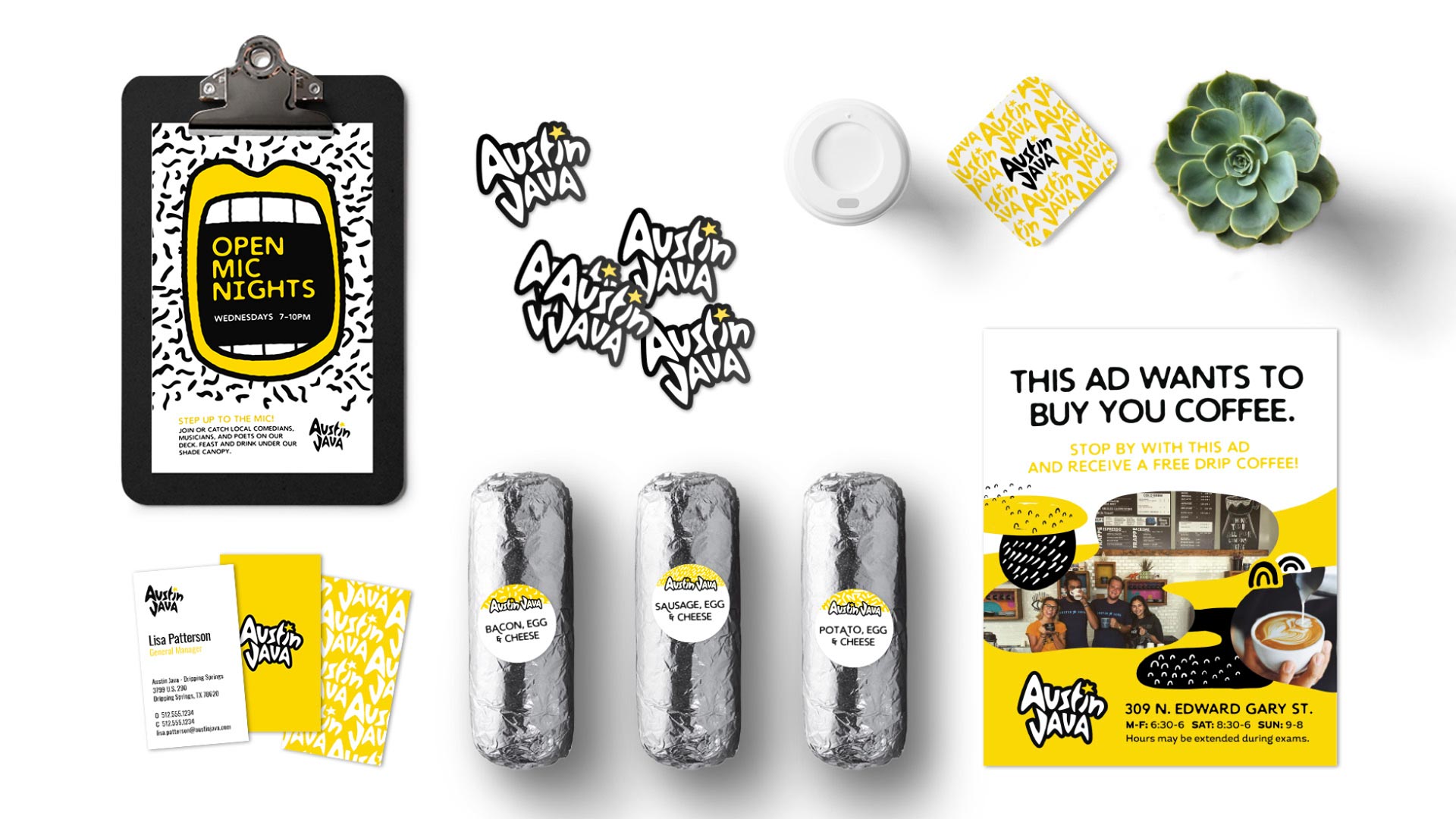
Our list of satisfied clients includes local favorites like Austin Java and NadaMoo! to billion-dollar international businesses like Amazon and RedBull.
If you look at the dozens of case studies in our portfolio, you’ll see that we’ve just about done it all.
We’ve helped launch a presidential campaign and lead that candidate to the front of the fundraising pack with a razor-sharp digital campaign.
When Torchy’s Taco’s handed us their August “Some Like It Hot” campaign, we delivered a 26% bump in social engagement which led to 60k taco sales in 30 days.
When Ottobock wanted to expand its reach to provide prosthetic limbs, we rose to the challenge with a 526% increase in leads while decreasing spend by 819%.
The results speak for themselves.
No matter your size or industry, we have the experience and capability to get the job done.
A Little About Working With Us
As much as we use terms like “businesses” and “brands,” ultimately these are groups of people with a common goal.
Relationships are what tie us all together so we want to make sure that we’re a good fit—culturally and philosophically—for any company we work with.
As your marketing team, we’ll be working side-by-side (in spirit given COVID-19) to make sure your project is a booming success.
At Tilted Chair, we like to have fun!
We don’t take ourselves too seriously but we do give 100% on our client deliverables.
Our culture is built on three pillars:
Be Fearless: our expertise allows us to seek creative solutions new challenges
Be Relentless: we prepare, sharpen, and educate ourselves to do spectacular work
Be Human: team players that put empathy into every part of our process
So, if that sounds like the kind of people you’d grab a coffee—or beer—with, we’d love to hear about your next big idea.
Bringing It All Together
When all is said and done, your success is our success.
We get excited when you win and frustrated when results don’t meet expectations. But don’t worry, that’s when we get right back in the shop to keep testing until we nail it.
We apply our human brand philosophy daily internally and with our clients.
Each and every member of our team is committed to your success. So, if you’re in the market for a new marketing agency to handle your next website, SEO, campaign, brand overhaul, or just updating some old content, Titled Chair can help.
Drop us a message with what you have in mind. From me and the entire team, we can’t wait to hear from you.
3 Steps To Resurrecting A Dying Brand
Is your company stagnant? Are you losing customers? When people hear your brand name do they say “Oh, yeah, I remember that name”? If so, then you might have…a dying brand.
People get caught up in success and sometimes sit back and put the plane on autopilot. Unfortunately, sometimes they look out the window and realize they have gone way off course. Well, don’t fret. There are things you can do to revive your company and brand. Over the past few years we have been approached by more and more of these companies. With a little bit of our “human” magic we have been able to successfully help turn these companies around. Here are the first steps you need to take:
Step 1 – Admit that you have a problem.
The first step to recovery is admitting that you have a problem. Obviously your numbers will show you that you have a problem. More importantly, you need to realize that something is broken. Is it marketing? Sometimes companies get too comfortable and stop investing in new marketing channels. If you aren’t investing heavily in digital or social media, then you are missing out. This Spring, digital surpassed TV for the first time. Not investing in digital or social is like not investing in TV in the 1950’s.
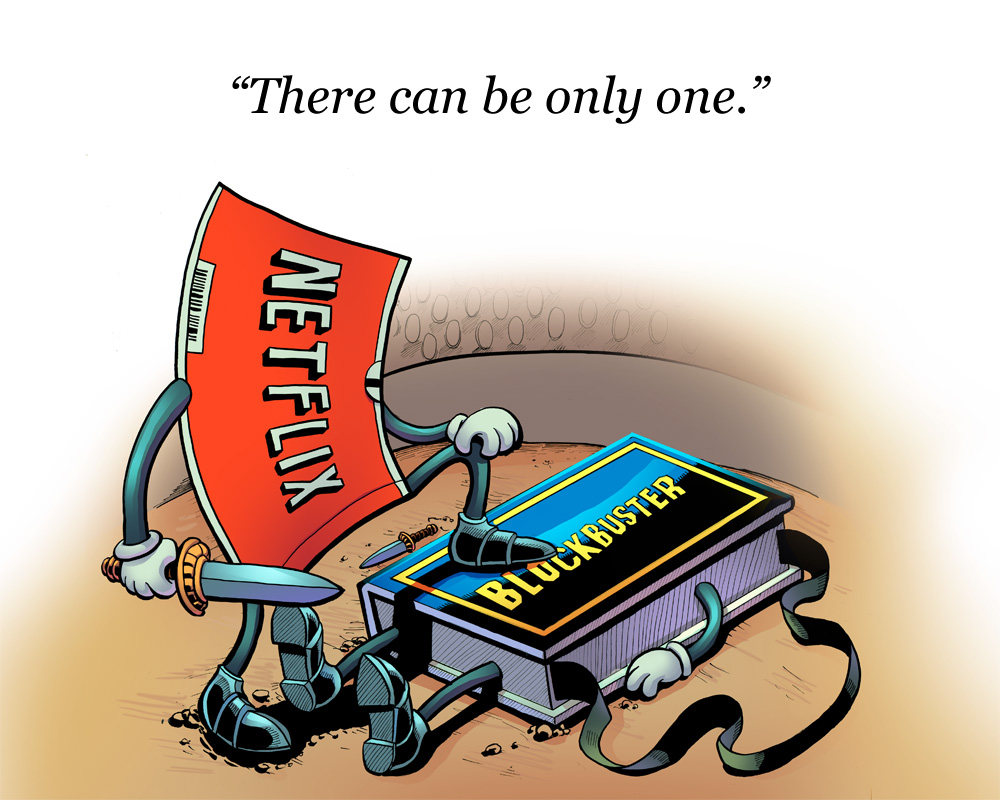
Sometimes the marketing is fine and it’s the product that is broken. Take Blockbuster. They simply got too comfortable and stopped innovating. They didn’t keep up with the changing technology. They didn’t admit to themselves that they had a problem.
Step 2 – Be willing to reimagine your brand.
Do you remember Old Spice? No, not the quirky, fun Old Spice that we know now. I’m talking about the original Old Spice? How did this dying brand bring itself back from the dead? After they admitted that they had a problem Old Spice (really P&G) went to an agency to help them reimagine their brand. They had to completely scrap everything and start over. They had to be open to reimagining their brand.
The agency, Wieden and Kennedy, was involved in everything from naming the fragrances (like “Champion” or “Swagger”) to creating a completely bizarre campaign targeting women to buy Old Spice for their men. Today Old Spice is a category leader because the powers-that-be at Old Spice were open to reimagine their brand.
Step 3 – Know the difference between scary and dangerous.
Jim Koch has a brilliant story about starting Sam Adam’s, the Boston beer company. He said there is a big difference between scary and dangerous. “Leaving my good job, that nice office, flying first class, staying in nice hotels, making a very good income, people think that was really risky, that that must have been really scary. Well, it was scary, but it wasn’t dangerous. What was actually dangerous, but not scary, was staying and continuing to do a job that I wasn’t happy doing anymore. It wasn’t my passion.”
Making a pivot and trying to resurrect your dying brand might be really scary, but it’s not dangerous. What’s dangerous is letting it continue to die and then looking back one day and saying “If only I had given it a chance, maybe I could have saved it.”
There are many more steps that need to be taken in order to bring a dying brand back to life, but if you can start with these three, from our experience in bringing several brands back to thriving, growing businesses, then you are well on your way to recovery.
The 3 Most Common Branding Mistakes And How to Avoid Them
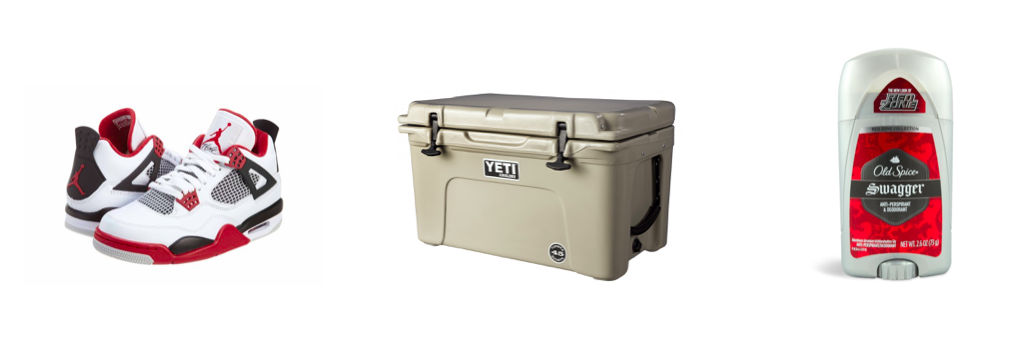
Why are people willing to pay $400 for an ice chest if they have never been camping or fishing in their lives? Why do kids save up to buy $200 basketball shoes that don’t help them play any better than other shoes? How did a dying cologne brand turn itself around to become a category leader? The answer: Branding.
Your brand is possibly the most important component of your business. In many cases, it’s what sets you apart from your competition. Do Nike Air Jordan’s help you play any better than Under Armour Stephen Curry’s? Of course not! But the brand demands four times the price. Branding can make or break a brand. Great companies invest in their brand because they know the true value that it holds. Here are three branding mistakes I’ve repeatedly seen companies do:
Mistake #1 – Thinking your brand is the same as your company.
There’s a difference between a company and a brand. A company is what your organization does. A brand is WHY your organization does that. A company usually dies along with its owners. A brand can live on for generations. A company is a name and logo. A brand is what that name and logo mean, and the feeling people get when they see or hear that name/logo. Great companies know the difference and build their companies around the brand, not the name and logo. In the case of Air Jordan’s, the brand stands for greatness. That’s what kids are buying. It’s not the “silhouette” of Michael Jordan. They are buying the dream of being great like Michael Jordan.
So understand that your brand is much more than a logo and name. A great way to get an understanding of your brand is to start with your mission statement and your company values. Hone in on why the company exists beyond just making money. At the very least you should read the fantastic branding book “Start with Why” by Simon Sinek. It will get you headed in the right direction.
Mistake #2 – “Focusing” your brand on many things.
Yes, we know your company delivers many, many, many great benefits to your consumer. Way more than your competition. Your brand is higher quality and costs less. And you do it faster. Yes. Yes. You deliver it all. Unfortunately, this type of thinking is why so many brands struggle. They try to communicate too many things. Without thinking too much, what do the following brands stand for : Coca-Cola? Nike? Dove? Geico? REI? I’ll go ahead and bet that if I asked 100 people that same question most would say some variation of Happiness, Competition, Women’s Empowerment, Humor, and the Outdoors. These companies deliver a lot. They deliver refreshment, technology, quality, low pricing, and great selection. But they only stand for one thing. That’s what allows them to be memorable and occupy a space in people’s hearts and minds. They have one single goal and they stick to it. Coca-Cola has been about happiness for decades. REI believes so much in the outdoors that it shuts its doors on Black Friday (the biggest shopping day of the year) to encourage people to go outside.
These brands get it. If you asked 100 of your customers what your brand stands for would most of them say the same thing? Or would you get 100 different answers? Go ahead and send out a survey to your consumers and see what they say. You might be surprised how diluted your brand message has become.
Mistake #3 – Setting your brand in stone.
This is probably why most brands undergo drastic brand overhauls. Companies get complacent or lazy or just don’t want to rock the boat when things are going well. They resist change. Even if the signs are on the wall that things might be going south, they stay the course. Unfortunately, many companies wait until their brands are completely irrelevant before deciding to make a change. They wait until sales are down and jobs are on the line. Culture changes. People change. Brands can change too. That doesn’t mean you become a Dr. Jekyll and Mr. Hyde. Again, think about Coca-Cola. They have always been about happiness. In the “old days” happiness was about family time.
Today happiness is about inclusiveness and acceptance of others.
Great brands can adjust how they communicate their values over time without losing what they stand for. One great way to ensure your brand is alive and thriving is to do an annual or biennial (every two years) audit. Look at the behavior of your consumers and use social listening tools to get a clear understanding of how people are speaking about your brand, and what other topics are important to them.
So there you have it. These are the top three branding mistakes I’ve encountered over my 14 years in the industry. The best part about these mistakes is that they are all fairly easy to correct. I think the most important thing to remember is that your brand should be a priority. The longer you put off investing time and money into your brand the higher the chances you are losing out on sales, producing ineffective brand communications, or becoming irrelevant. If you feel you might need professional assistance, we’re always just an email away at sit@tiltedchaircreative.com.
Illuminating the Periphery
How the future of business belongs to those who invest in seismic innovation.
In 2003, an upstart car company was founded in San Carlos, California. Named Tesla, the company set out on a mission to demonstrate the market-disrupting potential of all-electric vehicles in a world still dominated by gas-guzzlers. At the time, the American automotive industry began and ended with the Big Three: Ford, GM, and Chrysler. With 270 years of combined automotive experience, and annual revenues in excess of half a trillion dollars, it was safe to say that the American car industry was cornered. Not exactly optimal conditions into which a fledgling auto-maker might throw its hat.
Fast forward to May 2017: Tesla has supplanted GM as the most valuable auto manufacturer in America. Its Model 3 launch represented what some have called the single most successful product launch in history. Its cars are safer, faster, and more fuel-efficient than any competing models, seemingly defying engineering physics. It’s now expanded beyond cars, adding the Powerwall and Solar Roof to round out their vision for the off-the-grid lifestyle of the future.
Success (and size) lead to tunnel vision.
So what happened? How did Tesla see what America’s other auto-makers couldn’t? And what can be learned from all of it?
Surveying the situation objectively, it’s clear that Ford, GM, and Chrysler seemingly had every possible advantage walking into this war of one-upping: virtually limitless resources, unsurpassed name recognition, and a market that was custom-built by their own lobbyists. So what went wrong? How have they found themselves now playing from behind?
Well, consider the circumstances: first, you’ve got stakeholders who are concerned with the next fiscal quarter, not the next 25 years. Combine that with workforces of literally hundreds of thousands of employees, and you have a recipe for a slow, bloated, narrowly focused entity whose range of vision spans all of 30º in front of it. A prime target for seismic disruption.
Tesla didn’t have any of that. What they did have, however, was a dream and a vision. In an age when technology moves faster than ever before, sometimes that’s all you need.
Defining “seismic innovation.”
So what sets seismic innovation—or as Geoffrey Moore might call it: “discontinuous innovation”— apart from run-of-the-mill innovation? First off, seismic innovation isn’t always sexy, commanding a big headline in CNET. We hear about Tesla, Netflix, and AirBNB all the time, but there are other seismic innovators shaking things up everyday with little or no fanfare. Seismic innovation is a way of thinking that can be applied to any business. And for our purposes, seismic innovation equates to disruption —of a market, a process, or a methodology. It changes the game. Innovation lives where we normally look; seismic innovation lives where we don’t.
Put more simply: squeezing another 3mpg out of a Chevy Impala is innovation. Conceptualizing an entirely different mode of power delivery is seismic innovation.
“Innovation lives where we normally look; seismic innovation lives where we don’t.”
Creating a culture of innovation.
There are of course outlier companies who have grown to unwieldy size, and yet haven’t lost their edge for innovation—or the pursestrings to buy it. And they’re all the usual suspects: Google, Apple, Amazon, Facebook. Driven by purpose rather than product, these companies have recognized that seismic innovation is the new rule of business, and they’re not afraid to invest in it—time, money, personnel. These companies have recognized that the innovations of the future exist not in the narrow arc of focus before our eyes, but just outside where you’re normally comfortable looking for solutions. They’ve made it their business to regularly shine light on the periphery.
Rules and exceptions.
Tilted Chair is no stranger to disruption, and neither are our clients. We work with some of the most innovative businesses in Texas and America, including but not limited to: Camp Gladiator, who is in the process of overhauling the concept of a fitness community, Moviehouse & Eatery, who has redefined the upscale dine-in movie theater experience, and Iodine Software, who is using artificial intelligence to change the way hospitals document patient needs. These companies get it. They’ve baked innovation into their existence.
On the flip side, innovation isn’t right for everyone, and understanding what kind of business you’re running—and how your stakeholders perceive you—is extremely important. Take Southside Market & Barbeque, our oldest client. They started serving up their world-famous Elgin Sausage way back in 1882. Part of their unique selling proposition is that they haven’t changed the way they’ve done things. Much of the marketing we’ve executed for Southside is literally built around the idea that they don’t innovate. Southside traded innovation for nostalgia long ago, and for them, it’s appropriate.
“Some guys in a garage.”
While our introductory example focuses on automotive companies, the vertical doesn’t really matter. The lesson is the same. Just look at taxis, hotels, and television. The cast of characters changes, but the stories of how seismic innovation has lead to the disruption of basically every major market in the world remains the same.
Here’s the truth: if you’re operating a business in one of those vulnerable categories that’s ripe for disruption, there are more than likely some smart gals and guys in a garage somewhere with nothing to lose, and a better way of doing things. And they have their sights set on you and your business. They’re shining the bright light of technology on the peripheries of your market, and asking themselves, “How can this be done better? Smarter? Faster? Cheaper? DIFFERENTLY.”
If you’re still around as of this writing, that means you still have a choice. And if you haven’t already started thinking about how seismic innovation can transform your business, that might not be the case for long. So start. Now. This very minute. Learn how you can weave innovation into the very fabric of your culture, and reconsider your traditional notions of how to motivate creative people.
The luminaries are out there, and if you want your business to hang around for the foreseeable future, they’d better be shining their lights for you.
7 Steps to Hiring a Realtor and/or Hiring a Marketing Agency
Over the past two years we have had close to 200 new business meetings. We have had a wide range of experiences. Some were really great, with well organized RFP’s, marketing goals, and past agency experience. Some, to be honest, were a total waste of time. Not a waste of our time, but a waste of the client’s time. So I thought I would help educate some of the less experienced marketers out there on how to find an ad agency.
Finding an ad agency is not something they teach you in school. It’s a lot like buying a house. You will more than likely need to go through the process at least once in your career as a business owner or marketing director, yet it’s a process no one discusses in college and there is very little info on the interwebs about it. It’s also a major decision. It’s also a major financial investment. Your future happiness could very well depend on this decision.
1. Know what you want. You need to know what you want. You wouldn’t go to your realtor and say, “I don’t know what I want. You tell me”. Nope. Do you want a 5-bedroom ranch home in the suburbs or a 2 bedroom condo downtown? The same applies to your marketing needs. You should know if you’re looking for a specific item like web design or a logo vs a complete marketing campaign that will run across the nation on TV, radio, and social media in an effort to increase sales by 15% YOY. So start with a list of things you want.
2. Know why you want it. Are you looking for a place because that’s what you’re “supposed to do” when you’re 35 years old? Are you trying to build equity? Or start a family and your studio apartment isn’t going to cut it anymore? These questions are really about future goals versus your current situation. The same logic applies to an ad agency: know why you are hiring an ad agency. Are your internal resources not capable of helping you reach your goals? Is your current agency not cutting it? Are you moving into a new market or digital space where you lack experience? This is probably the most important question you need to have answered before talking with an agency. This will also be a huge factor in getting to step three.
“…Know why you are hiring an agency.”
3. Know what you need. You now know what you want. Cool. You also know why you want it. Great. Now let’s get real and think about what you actually need. Do you really need a 5 bedroom ranch house? You are single and hate doing yard work. So while that might be cool in 5 years from now, maybe what you actually need at this moment is more of a starter house. Two bedrooms, two baths might make more sense. After all, your real motivation is just to begin building equity and avoid murdering the loud-ass neighbor upstairs. Again, be honest with your marketing needs and motivations. It’s perfectly ok to list out both your wants and needs in priority. Definitely share this list with your marketing agency, once you reach out.
4. Know how much you can spend. Ok, so you’ve realized that a two bedroom, two bath starter house is what you actually need. Great. How much can you spend? The general rule of thumb is 30% of your income. This obviously fluctuates as we all know people who spend way more, and others who spend way less. Nonetheless, you should have some idea of what you are willing to spend. If you are thinking $200k is a good amount for you then that would allow your realtor to share house options in the $150k-$250k range. Now if you say your budget is $100k, your realtor can decide if they are capable of finding houses in that range or if you’re being unrealistic. Maybe they can find you a house for that price, but you’ll have to do a lot of remodeling. When working with an ad agency, we can help you determine if your budget is good, adequate, or unreasonable. So always crunch the numbers and have a budget you can share with the agency. At Tilted Chair we won’t deliver a proposal without a budget.
5. Know when you need it. You are so close to being a homeowner. The last thing you need to figure out is when you need the house. Is your lease up in two months? If so, you had better get going now. If you have more time, then you can shop around and make sure you find the perfect house. When working with an ad agency you should know if there is a big event that is prompting this search. Are you launching a new product or moving into a new market? Is there a big company event you need materials for? Or do you have the luxury of time and don’t need things in a rush? These will all contribute to your decision. Some agencies might not have the bandwidth to deliver what you need in the timeframe given. Some might need to charge an additional amount to make your deadline. Either way, definitely share any deadlines.
6. Identify the right realtor, I mean, agency. Now that you’ve done all this homework, you’re about 50% of the way to home ownership. It’s time to find the perfect realtor. I would recommend doing a Google Search and asking your friends on social media for any realtor recommendations. This should get you a good list of people to contact. Do a little research on your options and then pick your top 3 that appear skilled at finding the type of house you are looking for. By this I mean if you are looking for that 2 bedroom, 2 bath house for $150k-$250k it doesn’t make sense to reach out to a realtor that specializes in $1 million condos in downtown. So do your research and then reach out to no more than your top three to set up meetings. They should be able to tell you their experience in finding homes similar to the one you want and chat about their process. Some do most of the legwork digitally by sending you virtual tours of the houses before viewing in person. Some do it the old fashion way and spend days and days with you personally driving around the city. Decide what level of experience and process fits you best. When finding agencies, ask other marketers/business owners you know and do some Google searches. Agencies should have really good websites that explain their areas of expertise, their experience, and why you should choose them. Once you narrow down your list to your top 3, reach out to set up a meeting. 7. Pick the realtor (agency) you can drink with. From my personal experience I have always had success with realtors that get my style and are excited to find me a home. It really comes down to who you connect with. Who do you trust with this major life purchase? If deciding between two realtors with equal experience and process go with the one you would grab a drink with. When hiring an ad agency it’s a little different. For one, the price of a realtor is paid by the seller and it’s fixed (at least in Texas). Also, the time spent together is short. You might have a month or two of being best friends, but then you probably won’t see them again until you sell your house many years later. With an ad agency your goal is always to grow your business in one way or another. So you should be prepared to treat your ad agency like a partner with whom you collaborate with and is equally invested in the success of your brand. So it should really be looked at as an ongoing long term relationship, right? While it’s absolutely important for you to trust them and they have the experience you are looking for, it’s even more important that they are people you can work with for a long time and can celebrate your successes. All things equal, that should be the deciding factor.
“…Be prepared to treat your ad agency like a partner with whom you collaborate with and is equally invested in the success of your brand.”
Well, there you have it. The course they never taught you in college to hire a realtor and/or hire a marketing agency. It’s not rocket science, but it does take some time and prep on your end to make sure you know what to expect. For convenience, we’ve put together a handy little RFP template for you. Download here.
Good luck on your quest for the home and/or ad agency of your dreams!!!
We use necessary cookies to make this site work. With your permission, we also use analytics to understand site activity and advertising tools to measure campaigns and improve relevance.