Why CMOs Are Turning to Archetype-Driven Branding in 2025
In the ever-evolving world of branding, staying ahead of the curve is both a challenge and an opportunity. As we step into 2025, one trend is becoming increasingly clear: brand archetypes are no longer a “nice-to-have” — they’re the cornerstone of any successful branding strategy. But what’s driving this shift, and why are CMOs leaning heavily on this methodology to build compelling, memorable brands? Let’s explore.
The Rise of Archetypes in Branding
First, a quick refresher: archetypes are universal characters or personas that tap into shared human experiences. Think of the Hero (Nike), the Caregiver (Johnson & Johnson), or the Rebel (Harley-Davidson). These archetypes have roots in Jungian psychology and storytelling but have found their sweet spot in branding by giving companies a consistent, relatable personality.
In a market oversaturated with choices, today’s consumers are looking for more than just products or services. They crave connection, purpose, and identity. Archetypes provide a shortcut to that connection by evoking emotion and creating instant recognition.
Why CMOs Are Betting on Archetypes
1. They Create Emotional Resonance
Emotionally charged brands outperform the competition, period. Archetypes tap into deep-seated emotions, fostering trust and loyalty. When customers feel like a brand “gets them,” they stick around.
2. Consistency Across Channels
One of the biggest challenges for marketers is maintaining a cohesive brand voice across platforms. Archetypes act as a blueprint, ensuring every Instagram post, email campaign, or TV spot aligns with the brand’s core personality.
3. They Simplify Decision-Making
For CMOs juggling multiple campaigns, archetypes reduce the guesswork. They guide everything from messaging to design choices, streamlining processes and saving time.
4. A Competitive Edge in Crowded Markets
In saturated spaces, archetypes help brands carve out a distinct identity. They allow businesses to stand for something more profound than their product features, making them memorable and, more importantly, irreplaceable.
Case in Point: Brands Getting It Right
Let’s look at a few success stories:
Dove (The Caregiver): Dove has built an empire by championing real beauty and self-care. Their ads don’t sell soap; they inspire confidence.
Tesla (The Magician): Tesla’s archetype evokes wonder, innovation, and the promise of a better future. Every touchpoint, from their sleek car designs to Elon Musk’s tweets, reinforces this persona.
Old Spice (The Jester): A complete rebrand using the Jester archetype transformed Old Spice into a cultural icon. Their quirky humor brought them back into relevance with younger audiences.
How to Start Building an Archetype-Driven Brand
Curious about where to begin? Follow these steps to identify and integrate an archetype into your branding strategy:
1. Know Your Audience:
What emotions drive their decisions? Which archetypes resonate with their values and aspirations?
2. Define Your Brand’s Core Purpose:
Beyond products and services, what does your brand stand for?
3. Commit to Consistency:
Archetypes are only effective when used consistently across all touchpoints.
4. Work with Experts:
Agencies like Tilted Chair specialize in uncovering and implementing the perfect archetype for your brand.
2025: The Year of Emotional Branding
As the marketing landscape continues to evolve, CMOs are shifting focus from transactional to relational branding. Archetypes provide the tools to create meaningful connections that transcend price wars and fleeting trends.
If you’re ready to take your brand from forgettable to unforgettable, there’s no better time to embrace archetypes. Because in 2025, the brands that win aren’t just selling products — they’re telling stories, forging relationships, and leaving lasting impressions.
Ready to find your archetype? Let’s start a conversation.
Is Your Brand Forgettable? 5 Traits That Separate Icons from the Ordinary
So, you’re setting out to build—or maybe revamp—a brand that stands the test of time. It’s no small task! The marketplace is crowded, the competition fierce, and consumers have more options and opinions than ever. But here’s the good news: every great brand, from the classic Coca-Cola to the trailblazing Patagonia, shares certain characteristics that keep them relevant and beloved. If you get these right, you’re setting up your brand to be one of the greats.
Below, we’ll break down five key traits that make the most memorable brands truly unforgettable. We’ve paired each one with a real-world example to show how brands bring these principles to life—and how you can, too.
1. A Clear Purpose and Mission: Look to Patagonia
Every brand needs a reason for existing, and (spoiler alert) it should go beyond making money. Great brands stand for something bigger. Patagonia, for instance, isn’t just in the business of making outdoor gear—they’re here to “save our home planet.” That mission guides every decision they make, from the materials they choose to the causes they champion. Customers who value environmental responsibility connect deeply with Patagonia’s purpose, knowing their dollars support a brand committed to positive change.
Takeaway: Define your brand’s purpose. It will guide your decision-making, attract like-minded customers, and make your mission more than just a marketing tagline. A brand with a clear purpose is one customers are more likely to trust and champion.
2. Consistency: Coca-Cola Shows Us How It’s Done
If there’s one thing customers love, it’s consistency. Great brands don’t have to reinvent themselves constantly. Instead, they stay true to a core identity that remains instantly recognizable across decades. Coca-Cola, with its iconic red and white branding and timeless message of happiness and refreshment, has mastered the art of consistency. From billboards to Super Bowl commercials, Coca-Cola’s branding and messaging rarely stray from its core promise. This familiarity builds trust and makes the brand feel like a dependable old friend.
Takeaway: Be consistent in your brand’s visuals, tone, and message. Familiarity doesn’t just breed trust; it’s also what makes a brand feel like a safe choice when customers are bombarded with options.
3. Authenticity: Ben & Jerry’s Keeps It Real
Today’s consumers crave brands that are genuine and honest. Ben & Jerry’s is a prime example of this. Known for their activism and values, they’re outspoken about their support for social justice, climate action, and fair trade—all of which are deeply rooted in their brand DNA. And they don’t just talk the talk; they put their money where their mouth is. This authenticity isn’t just a marketing angle; it’s integral to who they are, and it resonates with customers who value transparency.
Takeaway: Authenticity isn’t just a buzzword; it’s essential. Your brand should reflect its true values and live them in both marketing and actions. When people know you’re genuine, they’re more likely to support and advocate for you.
4. Adaptability: Nike Evolves with the Times
To stay relevant in an ever-changing world, a brand has to be adaptable. Just look at Nike. They’ve kept up with the pace of change, evolving their products and messaging to reflect new cultural values and consumer needs. From tackling social justice in their ad campaigns to embracing digital innovation with personalized fitness apps, Nike stays ahead by adapting while keeping their core “Just Do It” ethos intact.
Takeaway: Stay true to your brand’s core identity, but be willing to evolve with cultural shifts and new technologies. Brands that adapt without losing their essence create excitement and relevance, engaging customers across generations.
5. Emotional Resonance: Apple Taps into the Heart
People remember how you make them feel. That’s why great brands connect on an emotional level, fostering loyalty that goes far beyond a product’s function. Apple has mastered this approach by positioning its products as symbols of creativity, individuality, and innovation. With campaigns that appeal to our inner artists and a community of die-hard fans, Apple isn’t just selling technology—they’re selling a vision of the future and a sense of belonging.
Takeaway: Think about the emotions you want your brand to evoke. Whether it’s nostalgia, excitement, or inspiration, brands that create strong emotional connections earn loyalty and advocacy.
Wrapping It Up: Building a Great Brand Starts Here
Building a brand that sticks doesn’t happen by accident. By focusing on a clear mission, maintaining consistency, embracing authenticity, staying adaptable, and tapping into emotions, you’re creating a brand people won’t just recognize—they’ll remember and trust. Whether you’re building from scratch or breathing new life into an established brand, these five pillars are the backbone of greatness.
So, grab a coffee (or maybe a Coca-Cola?), give us a call for your free consultation, and start building a brand that’s ready to become iconic.
7 tips for landing your dream job at Tilted Chair (or How to get a job in Austin for the SEO-bots)

We’ve grown a lot over the last year and half.
That means we have had to do a lot of hiring. While doing all that hiring we discovered that a lot of people are not really that good at getting a job. Some use a very obvious template where they copy and paste a position and company name into their cover letter. Others just don’t seem to think about the hiring process from the employers POV. So we thought it would be advantageous to help future applicants. Whether you are applying at Tilted Chair or another agency, these 7 tips should be taken into consideration.
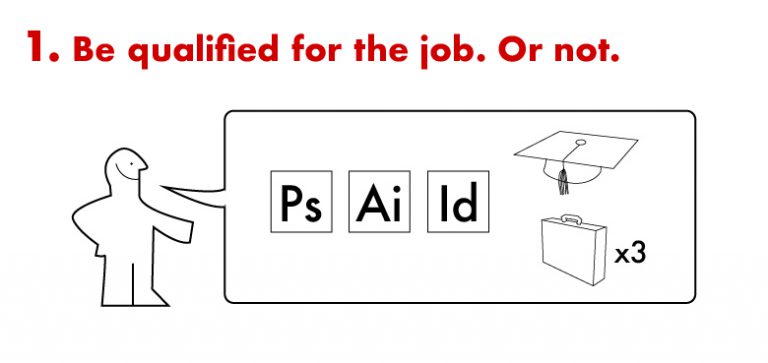
I will say that 90% of the time we only hire people who are exactly qualified for the position. However, we found about 30% of applicants are not qualified. If the job posting says “2-3 years of agency experience” then make sure that you have 2-3 years of agency experience. Your chances of being dismissed are pretty good if you are a recent graduate or you have 10 years experience. There is a reason employers put criteria in the listing. If you told a real estate agent that you were looking for a house in the $200k-$300k range you probably wouldn’t be too happy if he/she showed you $100k or $900k house. So make sure you are qualified for the position. With that being said, our most recent creatives were not qualified for the position we were looking for. They were in the 10% of unqualified applicants that got the other 6 items on our list right.

Even if you are incredibly qualified and exactly what the employer is looking for, you should still try to be unique. By this I mean there should be some part of your application, resume, portfolio that really stands out from the rest. It might be the subject line in your email [“Hello, is me you’re looking for?”]. It might be the layout of your resume. It could even be that your portfolio is just so epic that it just pops out from the rest [screen shot of Jared and Jane portfolio]. Our last few hires all had unique selling points. Have a unique selling point in order to get noticed…hmmm, I think I’ve heard that before.
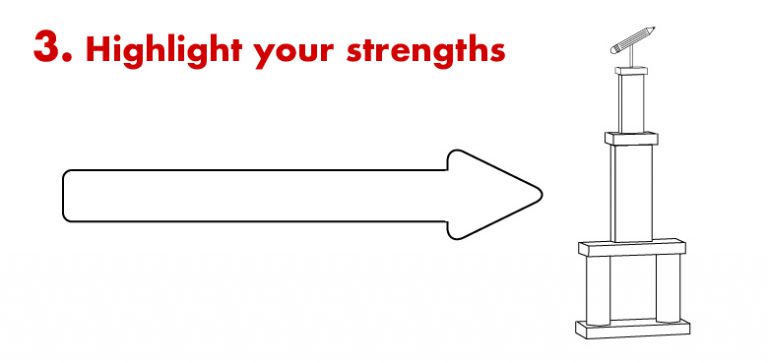
You can do this a few different ways.
- If you have a cover letter or an introductory email I personally love when the strengths are bullet-pointed or highlighted in some way.
- Paragraphs are so old school.
- We have to go through tons of applicants.
- If you can make it easy for us to find the info we are really looking for, then you are making our job easier.
- Ok, please don’t just put bullet points instead of paragraphs. This was for for demonstration purposes only.
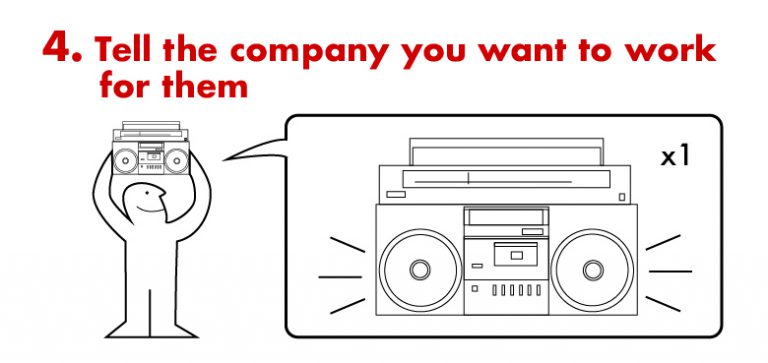
Tell the company that you want to work for them. Austin is a great city. It’s decently affordable compared to other large cities. We have great entertainment. It’s hip. It’s educated. Low crime rates. It has been voted one of the top cities to live in by Forbes many times. We get it. Austin rocks. Please don’t tell a potential employer that you’re reason for wanting to work for them is because you want to move to Austin. If you want to move to Austin, do it. We almost always ask candidates “Why do you want to work at Tilted Chair?” and the best way to lose our interest is by replying with “Well, I’ve heard so many great things about Austin. I was there for a wedding/festival/vacation and thought it was such a fun city.” I’m sorry, but that is the wrong answer. Our recent creative team nailed their answer when they said “Well, we have been following Tilted Chair for a while now and we really love the work you all have been doing. You have cool brands, and seem share the same values as us. Plus, Austin seems like a cool city.”
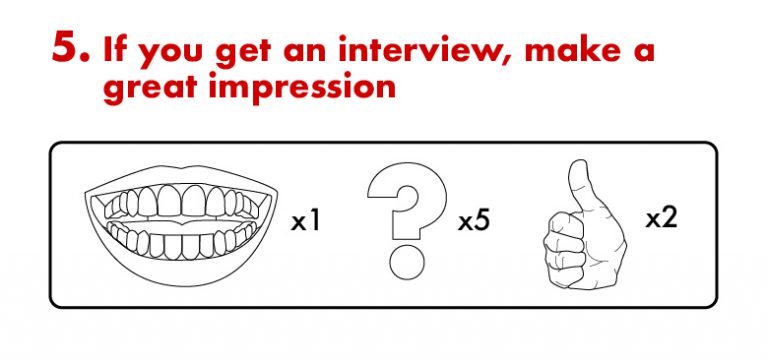
So you got an interview! Congrats. You now have your opportunity to shine. I could write an entire new blog on interview do’s and don’t’s but I’ll keep this brief. First, this is as much of a chemistry check as anything else, so be cool. Smile. I know that’s easier said than done, but try your best. I’m sure not every employer will agree with us, but we want the interview to be a two-way conversation. Like a first date. We will ask you some questions, but you should ask us some questions too. Let’s get to know each other, right? And just like on a first date, don’t talk about your ex. Especially don’t talk about your ex if you did not have a good experience. Saying your last employer didn’t know what they were doing, or was too crazy, or micromanaged you just brings the energy of the interview down. Be positive. We want to work with positive people. Say you’re looking to gain leadership experience or more autonomy. Second, be memorable. We had a candidate that wrote an awesome slam poem for us. You don’t always have to be that memorable, but you should definitely leave us with something to help differentiate you from the other candidates. In her interview, our office manager shared the thoughtful email that her last boss sent to the entire company regarding her departure and the impact she made there.

This seems pretty basic, but send an email after the interview. Before we make anyone an offer, we make sure they sent us a “thank you” email. Be Lovable is one of our agency principles, after all.
Austin is full of smart, cool people. There have been lots of times we have had more than a few really qualified candidates. For our office manager position we had three awesome candidates. All qualified. All smart. All a great culture fit. Sometimes it just comes down to a flip of the coin. No, not a literal flip of the coin. Sometimes the final tipping point does come down to just a gut feeling. So if you’ve done everything else right, the last thing to do is simply cross your fingers and hope you’ll be getting an offer.
I hope this helps anyone looking for a job in Austin or at Tilted Chair. We know it can be tough out there. Keep grinding it out and keep checking our website for future job openings. Good luck!
Stop Doing These 3 Things and Give Your Business Wings
It’s officially been one year since I joined the Tilted Chair team.
Woo hoo! It has been a crazy year of change and growth here. For those of you who are visual learners I put this together:

We actually had a nice little company profile in the Austin Business Journal two weeks ago discussing our growth. You can read it HERE. Since then a lot of people have been reaching out and asking for more details on what we did to accelerate Tilted Chair’s growth. For easy implementation I will share the top 3 things we did, or rather, stopped doing, to help propel our agency’s growth.
#1 Stop Focusing Only On Your Clients.
This was the first challenge that we faced when I first came aboard at Tilted Chair. And it’s the same challenge that many, many other businesses face. We focused so much on the needs of our clients that we didn’t pay attention to our own needs.
Think about it this way: if you were a personal trainer who was weak and out of shape would you be as effective of a trainer as someone who was strong and looked like Thor? In theory, you could be, but would anyone trust you to train them? Probably not.
So as an ad agency, it was imperative that we spent time getting our brand in shape. We sat down as a leadership team an extra 3 hours a week outside of work hours and in the span of about 5 months we developed a mission statement, core company principles, a brand story, revamped our website, created internal processes for almost every department, developed some great case studies, and finally restructured our vacation and benefits for employees to further demonstrate our brand culture.
It was not an easy task, but it has paid off tremendously. We have literally closed new business with clients because they said our website was just that “damn awesome” and they loved what our company stood for. So no matter what your expertise might be, make sure it shines though your company’s walls, marketing materials, and its people.
#2 Stop Letting Yourself Be Held Down.
This applies to both internal and external forces. As a small agency there wasn’t anyone really holding us down other than ourselves, but I’ll get to that in #3. Internally we were sound. It was externally that we had some problems. There comes a time in every business’s life when they start thinking more about the money, than about the craft. You start out with this plan of rebuilding classic Mustangs or designing sport stadiums, and you find yourself one day working on a 2002 Civic or designing homes for rich yuppies in Round Rock, TX.
If you don’t drop bad clients, you’ll find it much harder to reach your goals. This was really difficult for us. We turned down a few financially lucrative, but boring clients, because they were not going to get us closer to our dream. Those clients weren’t going to help us innovate and inspire the kind of advertising we believed in doing.
So even though it was difficult at first, we quickly realized that by getting rid of clients that were holding us down, we made room for clients who could help us grow. For example, if we hadn’t turned down a major furniture store opportunity we probably wouldn’t have been able to work with our awesome friends at Camp Gladiator. What a shame that would have been!
#3 Stop Dreaming Small
The biggest obstacle we had to overcome was ourselves. One of the first clients Mike and Jamie tried to pitch was Red Box (a big red box outside grocery stores like WalMart where you rented round discs called DVD’s which contained movies…weird, right?) which at the time was a pretty cool and fast-growing company. They had big dreams! As time went on they settled for smaller and less sexy clients. They started dreaming small.
I think this is probably the case for any business, but especially true for a company in that 3-5 year range. You start to get complacent. It’s easy to lose that passion for what you’re doing. You forget how to dream big. If you’re a leader in your company it’s up to you to dream big. If you’re not a big dreamer or have forgotten that big dream, then you better hire someone who is a big dreamer. I think Tilted Chair had forgotten that big dreams existed and I simply reminded them of it.
We started to put together plans to build Tilted Chair into an agency that could compete with any other agency in Austin and work with any client that fit the “Challenger Brand” personality. We started dreaming big again. Guess what? We started landing dream clients like Torchy’s Tacos, Hostgater, Camp Gladiator, SpareFoot and a few more that we can’t tell you about at the time of this writing, but that you’ll be hearing about very soon. Dreaming small is a great way to stay small. If you want to experience big growth, then you have to believe that big growth is possible and actually reach for those dreams.
“Dreaming small is a great way to stay small.”
Were these three things revolutionary ideas? No, not at all. There are entire books written about these ideas. Some of my favorites include Start with Why, The Lean Start-up, and Good to Great. Additionally, two of the three items cost us $0. It didn’t cost us anything to get rid of the things holding us down, and to stop thinking small.
It was ultimately just an attitude and motivational adjustment. Focusing more on ourselves and revamping our company image was probably the most costly, but it was the easiest item to tie back to increased revenue and a happier company culture. The return on our rebranding investment has paid off exponentially.
So if you are launching a company or you’re an established brand that has become stagnant, try to stop doing these three things and see if you’re company can grow some wings like Tilted Chair did. Good Luck!