From Small Business to Big Brand: A Guide to Scaling Your Company’s Personality
Starting small doesn’t mean thinking small. The most iconic brands we know today—like Apple, Nike, and Patagonia—all began as small businesses with big ideas. The secret to their success? They didn’t just sell products; they built personalities that resonated deeply with their audiences.
So, how can your small or medium-sized business scale its personality into a big brand? Let’s break it down.
Why Brand Personality Matters
Your brand personality is more than a logo or color palette. It’s the way your business speaks, acts, and makes people feel. It’s what turns casual customers into lifelong advocates.
For small and medium businesses (SMBs), having a strong personality isn’t just important—it’s essential. With limited budgets and resources, personality becomes your competitive advantage. A compelling personality helps you:
- Stand out in crowded markets.
- Create emotional connections with customers.
- Build trust and loyalty over time.
5 Steps to Scaling Your Brand Personality
1. Define Your Archetype
Every great brand has a clear identity. Are you the Hero, inspiring people to push their limits? Or the Creator, helping customers express themselves? Understanding your archetype lays the foundation for a consistent and authentic personality.
2. Know Your Audience Inside Out
The best brands aren’t just relatable; they’re relevant. Take time to understand your audience’s values, aspirations, and pain points. What problems are you solving for them? What kind of personality would they want to “befriend”?
3. Consistency is Key
As you grow, your brand will touch more platforms and people. Consistency across these touchpoints—social media, packaging, customer service, etc.—reinforces your personality. Develop a tone of voice guide and visual identity toolkit to keep things aligned.
4. Evolve Without Losing Your Core
Growth often means change, but it’s important to stay true to your roots. As you introduce new products or expand into new markets, ask yourself: Does this align with my brand’s core values? Would my audience recognize this as “me”?
5. Partner with the Right Experts
Branding isn’t a DIY project when you’re looking to scale. Agencies like Tilted Chair specialize in helping SMBs craft personalities that grow with them. From storytelling to design, partnering with experts ensures you avoid costly missteps.
Case Study: Small Business to Big Brand
Take Warby Parker, for example. Starting as an online-only eyewear retailer, they scaled their personality as a fun, approachable, and socially conscious brand. Their clever marketing campaigns, commitment to affordable prices, and “buy a pair, give a pair” program made them an industry leader while staying true to their roots.
Or consider Chobani. They entered the yogurt market with an artisanal feel and a focus on health. As they scaled, they kept that personality intact, adding creative flavors, heartwarming advertising, and a commitment to community impact.
Pitfalls to Avoid When Scaling Your Personality
1. Trying to Be Everything to Everyone
When scaling, it’s tempting to appeal to a broader audience. But watering down your personality makes you forgettable. Instead, double down on what makes you unique.
2. Ignoring Your Current Customers
Your early customers are your biggest advocates. Don’t alienate them by chasing new markets or trends. Involve them in your growth journey—they’ll help amplify your voice.
3. Neglecting Internal Alignment
Your team is the face of your brand. Ensure they understand and embody your personality in every interaction. From customer service reps to social media managers, everyone should sing the same tune.
From Small to Mighty: Your Next Steps
Scaling your brand personality is both an art and a science. It requires a deep understanding of your identity, audience, and goals. And while the journey may seem daunting, the rewards are well worth it: stronger customer loyalty, greater visibility, and a brand that stands the test of time.
At Tilted Chair, we’ve spent 15 years helping businesses like yours grow into bold, unforgettable brands. Ready to take the leap? Let’s talk about how we can help you scale your personality—and your business—to the next level.
Is Your Brand Forgettable? 5 Traits That Separate Icons from the Ordinary
So, you’re setting out to build—or maybe revamp—a brand that stands the test of time. It’s no small task! The marketplace is crowded, the competition fierce, and consumers have more options and opinions than ever. But here’s the good news: every great brand, from the classic Coca-Cola to the trailblazing Patagonia, shares certain characteristics that keep them relevant and beloved. If you get these right, you’re setting up your brand to be one of the greats.
Below, we’ll break down five key traits that make the most memorable brands truly unforgettable. We’ve paired each one with a real-world example to show how brands bring these principles to life—and how you can, too.
1. A Clear Purpose and Mission: Look to Patagonia
Every brand needs a reason for existing, and (spoiler alert) it should go beyond making money. Great brands stand for something bigger. Patagonia, for instance, isn’t just in the business of making outdoor gear—they’re here to “save our home planet.” That mission guides every decision they make, from the materials they choose to the causes they champion. Customers who value environmental responsibility connect deeply with Patagonia’s purpose, knowing their dollars support a brand committed to positive change.
Takeaway: Define your brand’s purpose. It will guide your decision-making, attract like-minded customers, and make your mission more than just a marketing tagline. A brand with a clear purpose is one customers are more likely to trust and champion.
2. Consistency: Coca-Cola Shows Us How It’s Done
If there’s one thing customers love, it’s consistency. Great brands don’t have to reinvent themselves constantly. Instead, they stay true to a core identity that remains instantly recognizable across decades. Coca-Cola, with its iconic red and white branding and timeless message of happiness and refreshment, has mastered the art of consistency. From billboards to Super Bowl commercials, Coca-Cola’s branding and messaging rarely stray from its core promise. This familiarity builds trust and makes the brand feel like a dependable old friend.
Takeaway: Be consistent in your brand’s visuals, tone, and message. Familiarity doesn’t just breed trust; it’s also what makes a brand feel like a safe choice when customers are bombarded with options.
3. Authenticity: Ben & Jerry’s Keeps It Real
Today’s consumers crave brands that are genuine and honest. Ben & Jerry’s is a prime example of this. Known for their activism and values, they’re outspoken about their support for social justice, climate action, and fair trade—all of which are deeply rooted in their brand DNA. And they don’t just talk the talk; they put their money where their mouth is. This authenticity isn’t just a marketing angle; it’s integral to who they are, and it resonates with customers who value transparency.
Takeaway: Authenticity isn’t just a buzzword; it’s essential. Your brand should reflect its true values and live them in both marketing and actions. When people know you’re genuine, they’re more likely to support and advocate for you.
4. Adaptability: Nike Evolves with the Times
To stay relevant in an ever-changing world, a brand has to be adaptable. Just look at Nike. They’ve kept up with the pace of change, evolving their products and messaging to reflect new cultural values and consumer needs. From tackling social justice in their ad campaigns to embracing digital innovation with personalized fitness apps, Nike stays ahead by adapting while keeping their core “Just Do It” ethos intact.
Takeaway: Stay true to your brand’s core identity, but be willing to evolve with cultural shifts and new technologies. Brands that adapt without losing their essence create excitement and relevance, engaging customers across generations.
5. Emotional Resonance: Apple Taps into the Heart
People remember how you make them feel. That’s why great brands connect on an emotional level, fostering loyalty that goes far beyond a product’s function. Apple has mastered this approach by positioning its products as symbols of creativity, individuality, and innovation. With campaigns that appeal to our inner artists and a community of die-hard fans, Apple isn’t just selling technology—they’re selling a vision of the future and a sense of belonging.
Takeaway: Think about the emotions you want your brand to evoke. Whether it’s nostalgia, excitement, or inspiration, brands that create strong emotional connections earn loyalty and advocacy.
Wrapping It Up: Building a Great Brand Starts Here
Building a brand that sticks doesn’t happen by accident. By focusing on a clear mission, maintaining consistency, embracing authenticity, staying adaptable, and tapping into emotions, you’re creating a brand people won’t just recognize—they’ll remember and trust. Whether you’re building from scratch or breathing new life into an established brand, these five pillars are the backbone of greatness.
So, grab a coffee (or maybe a Coca-Cola?), give us a call for your free consultation, and start building a brand that’s ready to become iconic.
Why Your Brand Isn’t Connecting: It’s Time to Ditch Logic and Embrace the Power of Archetypes
Let’s get real: Most brands are forgettable. They blend into the clutter, shouting about features, benefits, or price, and expecting people to care. The reality? They don’t. If you want your brand to stand out and make a lasting impact, you need to dig deeper than logic and lean into emotion. Enter the world of “archetypes”—a powerful framework that taps into universal patterns of behavior and storytelling that human beings have been drawn to for centuries.
Margaret Mark and Carol Pearson’s The Hero and the Outlaw breaks down this idea beautifully and is a great introduction to Jungian archetypes as they apply to brands. They explain that every brand can embody one of 12 archetypes, each of which resonates with core human desires. When done right, brands that align with these archetypes can form deep, emotional bonds with consumers. These brands stop being just products—they become part of who people are, and who they want to be.
And what better way to show the power of archetypes than to look at one of the most commodified products on the planet: water. Seriously—how do you make something as basic as water stand out? Some brands have mastered it, using archetypes to transcend the everyday and create something unforgettable.
The Hero: Gatorade Water
Every great story needs a hero. Gatorade Water embodies the Hero archetype, appealing to our desire for courage, strength, and achievement. It’s not just water; it’s the water that powers athletes, the water that fuels victory. Gatorade Water positions itself as essential for those who push themselves to their limits. It’s not just about hydration; it’s about conquering challenges. Whether you’re a marathon runner or someone striving to live a healthier life, drinking Gatorade Water is about embodying the spirit of a hero.
The Outlaw: Liquid Death
Liquid Death is the rebel of the water world. Channeling the Outlaw archetype, Liquid Death has completely upended the image of what bottled water should be. It’s raw, it’s edgy, and it’s not afraid to be disruptive. With its punk-rock branding and the tagline “Murder Your Thirst,” this brand goes against the grain of the pristine, clean-cut water category. It appeals to those who don’t just want to be different—they *demand* it. Liquid Death isn’t just about quenching thirst, it’s about rejecting the norm and embracing rebellion.
The Innocent: Evian
Evian embodies the Innocent archetype, symbolizing purity, simplicity, and the desire to return to nature. Its marketing is all about natural beauty, health, and purity, with imagery of pristine snow-capped mountains and crystal-clear streams. When you drink Evian, you’re not just hydrating—you’re engaging in a ritual of self-care that promises to cleanse and refresh you from the inside out. It appeals to the part of us that longs for simplicity and innocence in a complicated world.
The Sage: Smartwater
Smartwater is the Sage archetype incarnate. It’s marketed as the wise choice, the water that’s “vapor-distilled” and enhanced with electrolytes for purity and taste. The brand doesn’t just sell water; it sells knowledge. Smartwater appeals to those who want to make informed, intelligent decisions. It speaks to consumers who value wisdom and insight, who want to feel that they’re choosing the best, most scientifically sound option for their hydration needs. In essence, it’s water for thinkers.
The Ruler: Voss
Voss is the Ruler in the bottled water kingdom. It’s sophisticated, premium, and authoritative. The Ruler archetype is all about power, control, and status—and Voss oozes it. With its elongated modern bottle and reputation for being a luxury water, Voss is the go-to for those who see themselves as tastemakers. It’s for people who value refinement and prestige, for those who don’t just drink water—they drink the finest. When you reach for a Voss, you’re making a statement about who you are: someone in control of life, down to their water choices.
The Explorer: Flow Water
Flow Water is the archetypal Explorer, and does an excellent job of marketing itself as a naturally alkaline spring water, packaged in an eco-friendly, Tetra Pak design. The brand’s commitment to environmentalism and its emphasis on exploring sustainable practices tap into the Explorer’s love for innovation and eco-conscious choices. Flow invites consumers to join the journey toward a cleaner planet, making it a great fit for those looking to make more adventurous and ethical decisions.
The Creator: San Pellegrino
San Pellegrino embodies the Creator archetype, representing artistry, innovation, and craftsmanship. This sparkling water is not just about taste; it’s about the entire experience. With its long history, elegant packaging, and Italian heritage, San Pellegrino is water elevated to an art form. The brand appeals to those who value creativity and expression, offering more than just hydration—it offers a taste of la dolce vita. The Creator archetype connects with consumers who see themselves as visionaries, as people who appreciate the finer, more artistic side of life.
The Caregiver: Poland Spring
Poland Spring taps into the Caregiver archetype, positioning itself as a brand that’s dependable, nurturing, and trustworthy. With its focus on sustainability and its long-standing heritage, Poland Spring aims to provide not just water, but a sense of comfort and care. It’s the kind of water that’s been on family tables for generations, trusted to quench the thirst of everyone from kids to grandparents. The Caregiver archetype connects with consumers who value reliability and community, appealing to those who want to take care of themselves and their loved ones.
The Lover: Fiji
Fiji is pure indulgence, making it the perfect representation of the Lover archetype. From its tropical origins to its iconic square bottle, Fiji is all about sensuality and desire. The brand markets itself as exotic and luxurious, with a taste and feel that transports you to a remote paradise. The Lover archetype speaks to people who want to surround themselves with beauty, who appreciate the finer things in life and aren’t afraid to treat themselves. Drinking Fiji is about more than quenching your thirst—it’s about indulging in a moment of pure pleasure.
The Jester: Hint
Hint takes a playful approach to water, making it the perfect Jester. With its fruit-infused flavors and light-hearted branding, Hint is here to remind us that water doesn’t have to be boring. The Jester archetype brings fun, spontaneity, and a sense of mischief, and Hint’s colorful, cheeky packaging delivers exactly that. This brand speaks to those who want to inject a bit of joy into their daily routine, showing that even something as mundane as water can be a source of fun and excitement.
The Everyman: Ozarka
Ozarka is the water of the people. As the embodiment of the Everyman archetype, it’s straightforward, no-frills, and reliable. Ozarka doesn’t try to be fancy or pretentious—it’s just good, honest water sourced from Texas springs. The Everyman archetype connects with consumers who value authenticity and simplicity, who want products they can trust without the bells and whistles. Ozarka is the go-to choice for those who just want to quench their thirst without overthinking it.
—
Why Archetypes Make or Break Brands
If water—a product that’s literally as basic as it gets—can leverage archetypes to create distinct emotional connections with consumers, imagine what your brand could do. The secret to a memorable brand isn’t in the features or benefits you list. It’s in the story you tell, the archetype you embody.
When you align your brand with the right archetype, you’re no longer just selling a product—you’re offering an identity. Consumers don’t just buy your product; they buy into the values, emotions, and aspirations that your archetype represents. So, which archetype are you? Are you the Hero, the Outlaw, the Caregiver? Or are you still trying to win over customers with logic and losing them to brands that understand the power of emotion?
Stop blending in. Find your archetype, and watch your brand come to life. If you need help standing out from the crowd, we can help. Reach out today for a free consultation.
Decoding Branding Agencies: Secrets of Good vs. Bad
Key takeaways
- Understanding the foundation: good branding agencies
- The art of storytelling
- Uncovering your potential vs changing who you are
- Consistency is key
- Unveiling the pitfalls: bad branding agencies
- Neglecting research
- Lack of consistency
- Short-term vision
In the fiercely competitive world of business, branding is the key to success. A well-crafted brand not only sets a company apart from its competitors but also forges an emotional connection with consumers, creating loyalty and trust. To achieve this, businesses often seek the expertise of branding agencies. However, not all branding agencies are created equal. In this article, we will delve into the crucial differences between good and bad branding agencies, shedding light on the secrets that can either elevate your business to new heights or lead it to oblivion.
Understanding the Foundation: Good Branding Agencies
A good branding agency is more than just a creative powerhouse; it is a strategic partner in defining and elevating a company’s identity. These agencies focus on understanding the core values, mission, and target audience of their clients. They immerse themselves in the company’s culture and industry, seeking to grasp the essence of what makes the business unique. And they have a methodology or system in place to gain this insight in a concise and timely manner.
A crucial aspect of good branding agencies is their commitment to research and analysis. They conduct market research, competitor analysis, and/or consumer surveys to gain insights into the preferences and perceptions of the target audience. Armed with this knowledge, they develop a brand strategy that resonates with the right people, leading to increased brand loyalty and recognition.
The Art of Storytelling
One of the hallmarks of a good branding agency lies in its ability to tell compelling stories. They understand that consumers don’t just buy products; they buy into the narrative woven around the brand. A good branding agency crafts a captivating brand story that engages and captivates consumers, leaving a lasting impression that goes beyond a mere transaction.
Uncovering Your Potential vs. Changing Who You Are
“You are not trying to change us or promote us as something that we are not. You are helping us to become the best version of ourselves and our beloved brand. I cannot begin to thank you enough for that.” -Sea Island Shrimp House, Client
Good branding agencies have a unique approach that sets them apart from their subpar counterparts. Instead of trying to mold a business into something it’s not, they focus on uncovering the hidden potential that already exists within. By identifying the company’s authentic strengths and unique selling points, these agencies shape a brand identity that aligns with the company’s true essence. This approach not only resonates strongly with the target audience but also empowers the business to stay true to its values while adapting and evolving in the dynamic market landscape.
Consistency is Key
Consistency is the backbone of strong branding. A good branding agency ensures that the brand message remains consistent across all touchpoints – from the logo and website to social media and marketing materials. This consistency builds trust and brand recognition, making it easier for consumers to connect with the brand. While it’s sometimes difficult to find an agency that does both, Tilted Chair is one of the few agencies that feels it’s imperative to be able to brand and market within the same walls.
Unveiling the Pitfalls: Bad Branding Agencies
On the flip side, bad branding agencies can do more harm than good. Often focused solely on superficial aesthetics, they neglect the strategic foundation needed for effective branding. Instead of understanding the company’s ethos, they resort to cookie-cutter approaches that fail to resonate with the target audience.
Neglecting Research
One of the most significant pitfalls of bad branding agencies is their aversion to research and analysis. They might not invest time and effort in understanding the market, consumer preferences, or the competitive landscape. This results in branding strategies that lack direction and fail to make an impact.
Lack of Consistency
A bad branding agency might not emphasize maintaining consistency across various brand elements. As a result, the brand’s message becomes muddled and confusing, leading to a disjointed consumer experience. Inconsistency can lead to distrust among consumers and a loss of brand identity.
Short-Term Vision
Bad branding agencies may adopt a short-term approach, focusing on quick fixes and immediate results rather than the long-term growth of the brand. This myopic outlook might lead to flashy, attention-grabbing campaigns that lack substance and fail to create a lasting impact. Or worse, they may come off as inauthentic and contrived.
Conclusion
The difference between good and bad branding agencies can make or break a business. A good branding agency acts as a strategic partner, delving deep into the company’s values and target audience, uncovering its potential, and crafting an authentic brand story. Meanwhile, a bad one might resort to superficial tactics that yield unsatisfactory results. When selecting a branding agency, businesses must prioritize those that prioritize research, storytelling, and consistency, empowering the business to shine brightly while staying true to its roots. By doing so, they will set the stage for business transformation and sustainable success in the ever-evolving market. If you’re interested in working with the good, let’s chat.
Start With Where: Developing Brand Alignment
I’ll admit it: I’m a sucker for Simon Sinek.
I’ve read most of his books and watched pretty much all of his videos. The way he so clearly and powerfully delivers his philosophies is magical. My first exposure to him and his ideas was his TED talk about inverting the typical marketing approach, something he called “The Golden Circle.” Sinek was really onto something with this idea, expounded in his video—and book of the same name—Start with Why. For those who aren’t familiar, it’s worth a watch or read. But he was missing one important piece: Where. As in “Where are we going?” Vision.
The best organizations have it, and as a result, they suffer lower employee turnover and superior brand loyalty. Vision is powerful, and someone within any organization is responsible for establishing it. Usually—and most times, appropriately—it’s the CEO. When you add in “Where,” Sinek’s Golden Circle is complete with the four elements that must congeal to achieve authentic brand alignment: vision is the “Where,” purpose is the “Why,” strategy is the “How,” and products and services are the “What.” The most effective organizations align on these things, and reinforce them with actions, not just words. When there’s alignment, employees know what to do, marketers know what to say, and customers know what to expect—and all of those things match.
One can find an exceptional contemporary example of a beautifully aligned brand in Impossible Foods. Applying our modified Golden Circle to Impossible Foods, top-to-bottom organizational alignment becomes blatantly apparent: Where are we going? Toward a meatless world by 2035. Why? Because animal farming is destructive and unsustainable. How do we get there? By challenging traditionally held beliefs about plant-based meats. And lastly, with what? A line-up of animal-free meats that are as good as the real thing. Even a cursory review of Impossible’s website demonstrates that everything about the Impossible brand—scratch that, the Impossible organization—is precisely aligned with that top-down vision. Great business leaders establish a clear vision and then assemble around it all the structures, philosophies, and processes required to realize it. When vision is clearly communicated, the right people will find themselves drawn to it to help bring it to life.
“When there’s alignment, employees know what to do, marketers know what to say, and customers know what to expect—and all of those things match.”
Aligned brands realize that, from a marketing perspective at least, there is no longer a meaningful delineation between the different departments in an organization—everything is brand. With the ubiquity of digital recording devices, there are very few times when no one’s watching. (Just ask Uber and Travis Kalanick about those 4.7 million views of a very un-planned branding moment.) The CEO chatting with a driver is just as important an instance of branding and relationship-building as a perfectly targeted Instagram campaign—and potentially more so. And it’s imperative that these messages are congruent. If they’re not, misalignment abounds, and that’s where brand-killing anxieties like dissonance, uncertainty, and lack of trust fester. Misalignment is the hallmark of an inauthentic brand. Can you imagine if Impossible’s CEO Pat Brown was caught chomping on a t-bone steak? Heads would roll! And Impossible’s brand alignment would suffer.
If all of this makes achieving brand alignment sound simple, sorry. It’s not, for myriad reasons. Many organizations just weren’t born of such lofty aspirations. Others operate in industries that don’t afford the opportunity to embark upon ambitious, world-changing visions like Impossible Foods. More still just haven’t taken the time to sit down and reflect on such introspective topics. None of which is alignment-prohibitive, by the way. It just means you have to be more pragmatic in developing the foundational language upon which alignment will rest. It’s companies like these who benefit most from engaging a brand partner. Much of the value we add for clients results not from creating a vision, but from uncovering it—from shepherding leadership and stakeholders through discussions they’ve never had or dedicated the time to have. We help executives, marketers, salespeople, and operators get on the same page, so that they can move fearlessly into the future, together, toward one common vision.
Need help aligning? Contact us below.
How to be a Great Friend—and Brand
Branding.
It’s a distinctly esoteric endeavor, generally marked by messaging pyramids, whiteboard sessions, and buzzwordy brainstorms. Nothing against these time-tested methods—we employ many of these exercises ourselves here at Tilted Chair while searching for a client’s truth. But at the end of the day, what are we really looking for? What itch are these tactics scratching at?
Well, as it turns out, the foundation of a great brand is not wholly dissimilar from the pillars that support a great friendship. To the rare natural marketer, much of what follows will seem instinctual. For the rest of you, though, consider this a lesson in laying the framework for becoming a great friend and a great, human brand.
1. Be you.
Socrates—among others—famously said, “Know thyself.” It’s probably one of the most important maxims in life and branding. There’s really nothing more attractive than authenticity, and understanding who you are—your beliefs, your values, your tendencies, and your priorities—will help you gain like-minded friends and customers.

“Baby, you’re a fiiiirewooork!”
2. Clearly define expectations.
You’re not going to be everything to everyone. But what can be expected of you? Are you the airport ride friend, or the football-watching companion? Are you the drinking buddy or book club pal? Setting expectations on what can be expected of a relationship with you will make it easy for your friends and customers to know when they should call you.

“What would you say…ya do here?”
3. Be consistent.
Once you figure out who you are, what’s important to you, and what can be expected of you, don’t waiver. Your purpose should be as deeply rooted to your identity as anything else.

#Consistency
4. Do what you say you’re going to do.
Once you’ve set expectations, it’s up to you to meet them. Few things in a relationship are more frustrating than dealing with a friend who can’t be relied-upon to carry through on a spoken commitment. And the same can be said for brands. An incongruity between words and actions can lead to dissonance—and sometimes, the end of a relationship.

“Will you accept this rose?”
5. Listen. Don’t just wait to talk.
There’s a difference, and the best friends (and brands) know it. Listening is just as much an expression of priorities as speaking.

“Little man: I give the watch to you.”
6. Don’t take yourself too seriously.
You’re not perfect, and neither is your brand. You’re going to fudge up from time-to-time, and when you do, the most human thing you can do is own it, laugh about it, and move on.

“And the Oscar for Best Picture goes to: La La Land!”
7. Adapt when necessary.
How many of your friends call you from a rotary dial phone? Or pick you up in a horse and buggy? Same goes for brands. Even non-tech brands have to update from time-to-time, or risk becoming disconnected.

“A robot may not injure a human being or, through inaction, allow a human being to come to harm.”
8. Understand that it’s about the journey.
You and your friends (and customers) are on a journey together, one fueled by mutually rewarding fulfillment. As long as the journey continues to be fulfilling for all parties, then the journey can continue. Be you, set expectations, be consistent, do what you say, listen, don’t take yourself too seriously, and adapt once in a while, and that journey just might last a lifetime.

It’s a marathon, not a sprint.
7 tips for landing your dream job at Tilted Chair (or How to get a job in Austin for the SEO-bots)
We’ve grown a lot over the last year and half.
That means we have had to do a lot of hiring. While doing all that hiring we discovered that a lot of people are not really that good at getting a job. Some use a very obvious template where they copy and paste a position and company name into their cover letter. Others just don’t seem to think about the hiring process from the employers POV. So we thought it would be advantageous to help future applicants. Whether you are applying at Tilted Chair or another agency, these 7 tips should be taken into consideration.
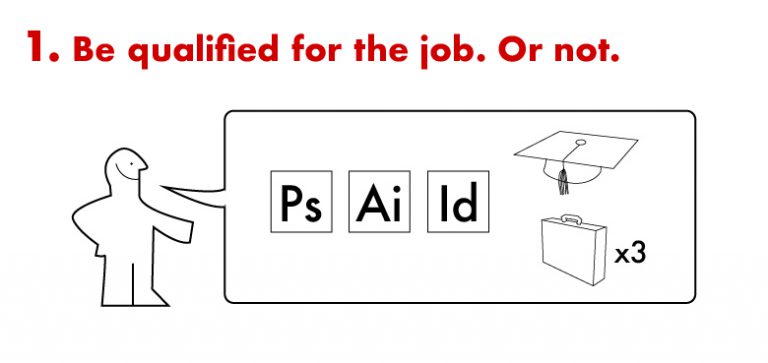
I will say that 90% of the time we only hire people who are exactly qualified for the position. However, we found about 30% of applicants are not qualified. If the job posting says “2-3 years of agency experience” then make sure that you have 2-3 years of agency experience. Your chances of being dismissed are pretty good if you are a recent graduate or you have 10 years experience. There is a reason employers put criteria in the listing. If you told a real estate agent that you were looking for a house in the $200k-$300k range you probably wouldn’t be too happy if he/she showed you $100k or $900k house. So make sure you are qualified for the position. With that being said, our most recent creatives were not qualified for the position we were looking for. They were in the 10% of unqualified applicants that got the other 6 items on our list right.
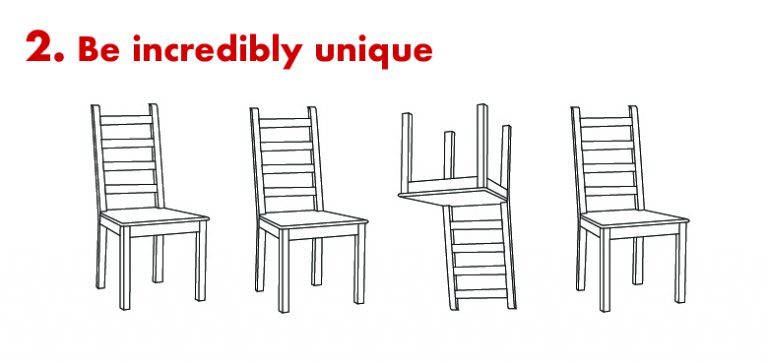
Even if you are incredibly qualified and exactly what the employer is looking for, you should still try to be unique. By this I mean there should be some part of your application, resume, portfolio that really stands out from the rest. It might be the subject line in your email [“Hello, is me you’re looking for?”]. It might be the layout of your resume. It could even be that your portfolio is just so epic that it just pops out from the rest [screen shot of Jared and Jane portfolio]. Our last few hires all had unique selling points. Have a unique selling point in order to get noticed…hmmm, I think I’ve heard that before.
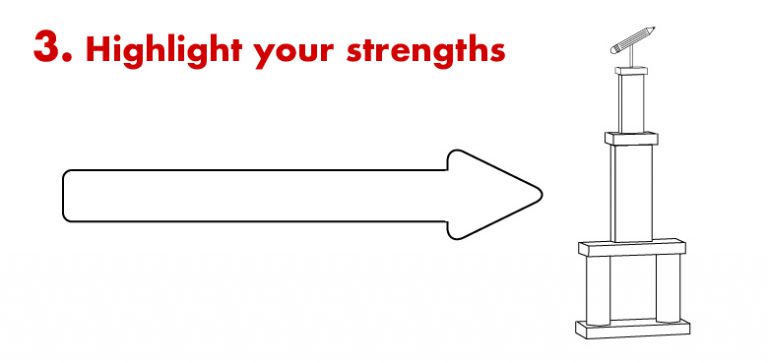
You can do this a few different ways.
- If you have a cover letter or an introductory email I personally love when the strengths are bullet-pointed or highlighted in some way.
- Paragraphs are so old school.
- We have to go through tons of applicants.
- If you can make it easy for us to find the info we are really looking for, then you are making our job easier.
- Ok, please don’t just put bullet points instead of paragraphs. This was for for demonstration purposes only.
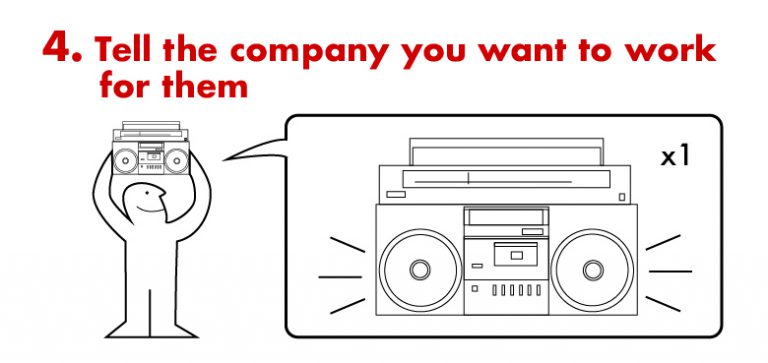
Tell the company that you want to work for them. Austin is a great city. It’s decently affordable compared to other large cities. We have great entertainment. It’s hip. It’s educated. Low crime rates. It has been voted one of the top cities to live in by Forbes many times. We get it. Austin rocks. Please don’t tell a potential employer that you’re reason for wanting to work for them is because you want to move to Austin. If you want to move to Austin, do it. We almost always ask candidates “Why do you want to work at Tilted Chair?” and the best way to lose our interest is by replying with “Well, I’ve heard so many great things about Austin. I was there for a wedding/festival/vacation and thought it was such a fun city.” I’m sorry, but that is the wrong answer. Our recent creative team nailed their answer when they said “Well, we have been following Tilted Chair for a while now and we really love the work you all have been doing. You have cool brands, and seem share the same values as us. Plus, Austin seems like a cool city.”
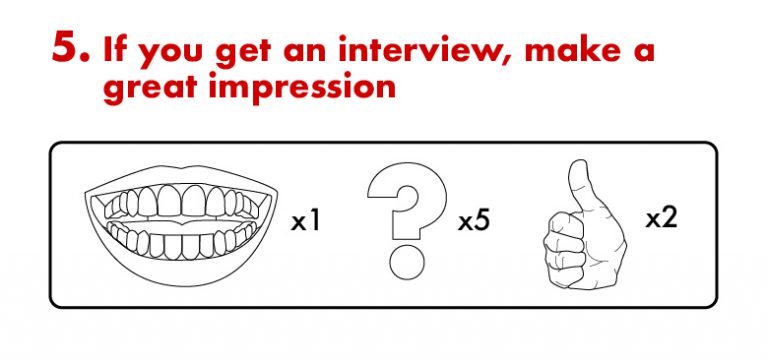
So you got an interview! Congrats. You now have your opportunity to shine. I could write an entire new blog on interview do’s and don’t’s but I’ll keep this brief. First, this is as much of a chemistry check as anything else, so be cool. Smile. I know that’s easier said than done, but try your best. I’m sure not every employer will agree with us, but we want the interview to be a two-way conversation. Like a first date. We will ask you some questions, but you should ask us some questions too. Let’s get to know each other, right? And just like on a first date, don’t talk about your ex. Especially don’t talk about your ex if you did not have a good experience. Saying your last employer didn’t know what they were doing, or was too crazy, or micromanaged you just brings the energy of the interview down. Be positive. We want to work with positive people. Say you’re looking to gain leadership experience or more autonomy. Second, be memorable. We had a candidate that wrote an awesome slam poem for us. You don’t always have to be that memorable, but you should definitely leave us with something to help differentiate you from the other candidates. In her interview, our office manager shared the thoughtful email that her last boss sent to the entire company regarding her departure and the impact she made there.
This seems pretty basic, but send an email after the interview. Before we make anyone an offer, we make sure they sent us a “thank you” email. Be Lovable is one of our agency principles, after all.
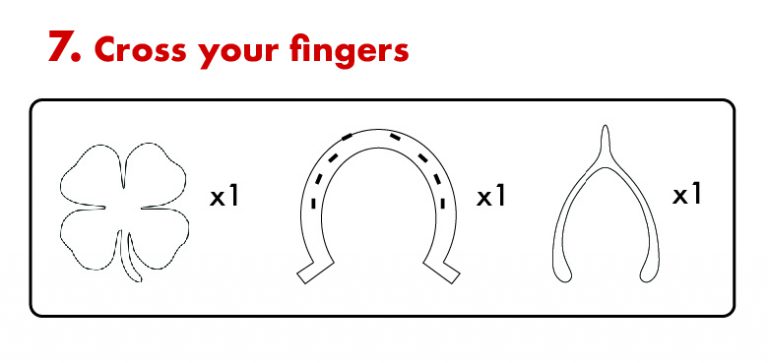
Austin is full of smart, cool people. There have been lots of times we have had more than a few really qualified candidates. For our office manager position we had three awesome candidates. All qualified. All smart. All a great culture fit. Sometimes it just comes down to a flip of the coin. No, not a literal flip of the coin. Sometimes the final tipping point does come down to just a gut feeling. So if you’ve done everything else right, the last thing to do is simply cross your fingers and hope you’ll be getting an offer.
I hope this helps anyone looking for a job in Austin or at Tilted Chair. We know it can be tough out there. Keep grinding it out and keep checking our website for future job openings. Good luck!
One Hour Ads, OR 3 Things We Learned at Texas Marketing Summit
Last week, nearly half of us chairs loaded up the cars, and headed east to Houston for the very first Texas Marketing Summit. The summit featured some world-class brands, some fabulously knowledgeable panelists, and one of the greatest buffets in hotel history. For us, it represented a proverbial microcosm of the very business we’re in, the context of which consists of: 1) a target audience with a need, 2) media, and 3) competitors/clutter. We thought it was the perfect opportunity to flex our right brains and make a splash in an environment where everyone else was trying to do the same thing.
We brainstormed for a couple of weeks prior to the summit in search of a breakthrough idea. The theory went that all of the other sponsors/vendors would fill their booths with the usual boring pens and stress balls—they did—leaving an opportunity to do something a little more memorable. A month or so before the summit, we had our idea: “One Hour Ads.” In lieu of a traditional booth, our team would set up a green screen backdrop, bring improv actors, and then film and edit a video spot for any brand who wanted one. All in an hour. One. Hour. Ads.
At the Summit
All-in-all, the day itself went extremely well. We think it may have had something to do with Tilted Chair being the summit’s first sponsor—thanks, Will—but we found ourselves situated right next to the buffet line. We also had about double the booth space of any other sponsors, which was nice. Space and location, two commodities that are like gold at a conference like this.
We kicked things off at 8am, and took turns attending panels/manning the booth throughout the day. 10 hours later, we’d made eleven spots—should we have named it 55 minute ads? Nah—some amazing new contacts, and had an absolute blast. Here are the three things we learned while rocking the summit.
1. Clarity comes first
When expressing a new idea, clarity of intention is of the utmost importance. We thought “One Hour Ads” was pretty simple and self-explanatory, but it became abundantly clear early on that we needed to adjust our pitch to attendees. Several booth visitors thought we were debuting a new concept for a creative agency, in which one hour ads was all we did. A new agency model, of sorts. Hmmm. Interesting idea, but not what we were shooting for.
As a full service creative advertising agency, our approach lacked clarity. Easy fix, though. The new pitch went something like this: “We’re a full service creative agency. Today only, we’re offering one hour ads.” Voila! Attendees finally got it, and our unique hook was anchored in something clear and intelligible. Clarity achieved.
2. You do you; not everyone will get it, and that’s okay
One hour ads wasn’t for everyone. It certainly wasn’t for our neighboring booth, but maybe that was just the endless looping bumper music. Of the several hundred attendees and who-knows-how-many companies represented, we were approached by 11 to make ads. Might seem like a paltry conversion rate, but every one of those 11 contacts represented a meaningful impression. We talked. We laughed. And perhaps more importantly, they got a little taste of the Tilted Chair flavor of creativity.
“One Hour Ads” was truly an expression of Tilted Chair thinking and culture. Those potential clients who didn’t “get it” wouldn’t be a good fit for Tilted Chair, and vice versa. On the other hand, those who were willing to take a risk and laugh with us got it. As a culture match filter, “One Hour Ads” worked beautifully.
3. Get people talking about themselves
The greatest conversationalists ask questions, and get people talking about themselves. It’s easy to forget, but every one of the world’s most ubiquitous and popular brands is nothing but an organization of people. People love to talk about themselves—their lives, their struggles, their hopes. Businesses are no different.
Our exploratory questionnaire for “One Hour Ads” asked a simple question, “What is your biggest marketing challenge?” That was it. That was enough to get people talking about themselves, their businesses, and their challenges. We took it from there.
Summ(it)ing it up
There were probably other lessons to be learned, but these were certainly the most memorable. Whether we add clients to the roster based solely on this adventure remains to be seen—my guess is, we will, ;)—but that’s not even really the point. We learned a lot from the whole experience, and that alone was worth the cost of entry.
Oh, what about those ads? Well, here they are:
Stop Doing These 3 Things and Give Your Business Wings
It’s officially been one year since I joined the Tilted Chair team.
Woo hoo! It has been a crazy year of change and growth here. For those of you who are visual learners I put this together:

We actually had a nice little company profile in the Austin Business Journal two weeks ago discussing our growth. You can read it HERE. Since then a lot of people have been reaching out and asking for more details on what we did to accelerate Tilted Chair’s growth. For easy implementation I will share the top 3 things we did, or rather, stopped doing, to help propel our agency’s growth.
#1 Stop Focusing Only On Your Clients.
This was the first challenge that we faced when I first came aboard at Tilted Chair. And it’s the same challenge that many, many other businesses face. We focused so much on the needs of our clients that we didn’t pay attention to our own needs.
Think about it this way: if you were a personal trainer who was weak and out of shape would you be as effective of a trainer as someone who was strong and looked like Thor? In theory, you could be, but would anyone trust you to train them? Probably not.
So as an ad agency, it was imperative that we spent time getting our brand in shape. We sat down as a leadership team an extra 3 hours a week outside of work hours and in the span of about 5 months we developed a mission statement, core company principles, a brand story, revamped our website, created internal processes for almost every department, developed some great case studies, and finally restructured our vacation and benefits for employees to further demonstrate our brand culture.
It was not an easy task, but it has paid off tremendously. We have literally closed new business with clients because they said our website was just that “damn awesome” and they loved what our company stood for. So no matter what your expertise might be, make sure it shines though your company’s walls, marketing materials, and its people.
#2 Stop Letting Yourself Be Held Down.
This applies to both internal and external forces. As a small agency there wasn’t anyone really holding us down other than ourselves, but I’ll get to that in #3. Internally we were sound. It was externally that we had some problems. There comes a time in every business’s life when they start thinking more about the money, than about the craft. You start out with this plan of rebuilding classic Mustangs or designing sport stadiums, and you find yourself one day working on a 2002 Civic or designing homes for rich yuppies in Round Rock, TX.
If you don’t drop bad clients, you’ll find it much harder to reach your goals. This was really difficult for us. We turned down a few financially lucrative, but boring clients, because they were not going to get us closer to our dream. Those clients weren’t going to help us innovate and inspire the kind of advertising we believed in doing.
So even though it was difficult at first, we quickly realized that by getting rid of clients that were holding us down, we made room for clients who could help us grow. For example, if we hadn’t turned down a major furniture store opportunity we probably wouldn’t have been able to work with our awesome friends at Camp Gladiator. What a shame that would have been!
#3 Stop Dreaming Small
The biggest obstacle we had to overcome was ourselves. One of the first clients Mike and Jamie tried to pitch was Red Box (a big red box outside grocery stores like WalMart where you rented round discs called DVD’s which contained movies…weird, right?) which at the time was a pretty cool and fast-growing company. They had big dreams! As time went on they settled for smaller and less sexy clients. They started dreaming small.
I think this is probably the case for any business, but especially true for a company in that 3-5 year range. You start to get complacent. It’s easy to lose that passion for what you’re doing. You forget how to dream big. If you’re a leader in your company it’s up to you to dream big. If you’re not a big dreamer or have forgotten that big dream, then you better hire someone who is a big dreamer. I think Tilted Chair had forgotten that big dreams existed and I simply reminded them of it.
We started to put together plans to build Tilted Chair into an agency that could compete with any other agency in Austin and work with any client that fit the “Challenger Brand” personality. We started dreaming big again. Guess what? We started landing dream clients like Torchy’s Tacos, Hostgater, Camp Gladiator, SpareFoot and a few more that we can’t tell you about at the time of this writing, but that you’ll be hearing about very soon. Dreaming small is a great way to stay small. If you want to experience big growth, then you have to believe that big growth is possible and actually reach for those dreams.
“Dreaming small is a great way to stay small.”
Were these three things revolutionary ideas? No, not at all. There are entire books written about these ideas. Some of my favorites include Start with Why, The Lean Start-up, and Good to Great. Additionally, two of the three items cost us $0. It didn’t cost us anything to get rid of the things holding us down, and to stop thinking small.
It was ultimately just an attitude and motivational adjustment. Focusing more on ourselves and revamping our company image was probably the most costly, but it was the easiest item to tie back to increased revenue and a happier company culture. The return on our rebranding investment has paid off exponentially.
So if you are launching a company or you’re an established brand that has become stagnant, try to stop doing these three things and see if you’re company can grow some wings like Tilted Chair did. Good Luck!
