Do You Need a Brand Refresh or a Full Rebrand?

The short answer
If the strategy still works but the expression feels stale, you probably need a refresh.
If the company has changed and the brand no longer represents what the business is, who it serves, or why it matters, you probably need a rebrand.
The tricky part is that companies often think they have a visual problem when they actually have a strategic one.
What is a brand refresh?
A refresh evolves the existing brand without reinventing its foundation.
You may update the logo, typography, color system, photography, messaging, or digital expression.
The goal is usually to modernize and strengthen what’s already working.
Think evolution, not revolution.
A refresh is especially appropriate when people still understand what the company does, the positioning remains relevant, and customers have meaningful equity in the existing identity.


You don’t burn down a perfectly good house because the kitchen looks like 2004.
What is a rebrand?
A rebrand goes deeper.
It asks whether the company’s current positioning, story, identity, and associations still serve where the business is going.
That may involve new positioning, a different audience strategy, naming, architecture, messaging, personality, visual identity, and a completely different market expression.
Companies typically reach this point because something important has changed.
The business may have moved upmarket.
The company may have outgrown its original startup identity.
A merger or acquisition may have created a new organization.
New products may have made the original positioning irrelevant.
The competitive category may have changed dramatically.
Or the company might simply be much better than the brand representing it.
Five signs you probably need more than a refresh
1. The Logo Problem
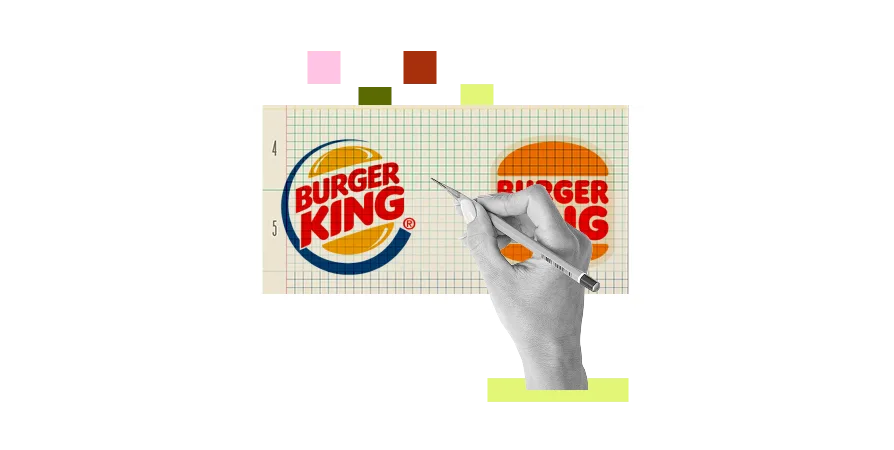
If you change the logo but still can’t answer why customers should choose you, you haven’t solved the problem.
2. Mixed Messaging
If your sales team tells one story while your website tells another, you probably have a strategy issue.
3. The Perception Gap
If your company wants enterprise customers but looks built for small business, changing the typeface alone is unlikely to fix perception.

4. Outgrowing Your Brand
If the business has expanded beyond what the current name or positioning can credibly contain, you may need to rethink the architecture.

5. Something Feels Off
If everyone agrees the brand “feels wrong” but nobody can explain why, you should probably diagnose before you prescribe.
The dangerous middle: cosmetic rebranding
Sometimes organizations know the current brand isn’t working but aren’t willing to revisit the underlying decisions.
So they commission a “rebrand” that changes the colors, logo, and font while leaving the positioning untouched.
Six months later, everyone wonders why the company still feels exactly the same.
Creative expression can amplify strategy. It cannot substitute for strategy.
How do you decide?
Ask one question:
If we made the current brand look dramatically better tomorrow, would the underlying story still be right?
If yes, refresh.
If no, rebrand.
Simple question.
Very useful answer.
Our take
Don’t decide between a refresh and a rebrand by starting with the logo. Start with the business.
Ask what’s changed since your current brand launched, what isn’t working anymore, what customers misunderstand, and where you’re headed next.
If the underlying story is still right, protect the equity you’ve already built and evolve it.
If the story itself no longer fits, changing the surface won’t be enough.